
Beautiful Plants For Your Interior
Beautiful Plants For Your Interior
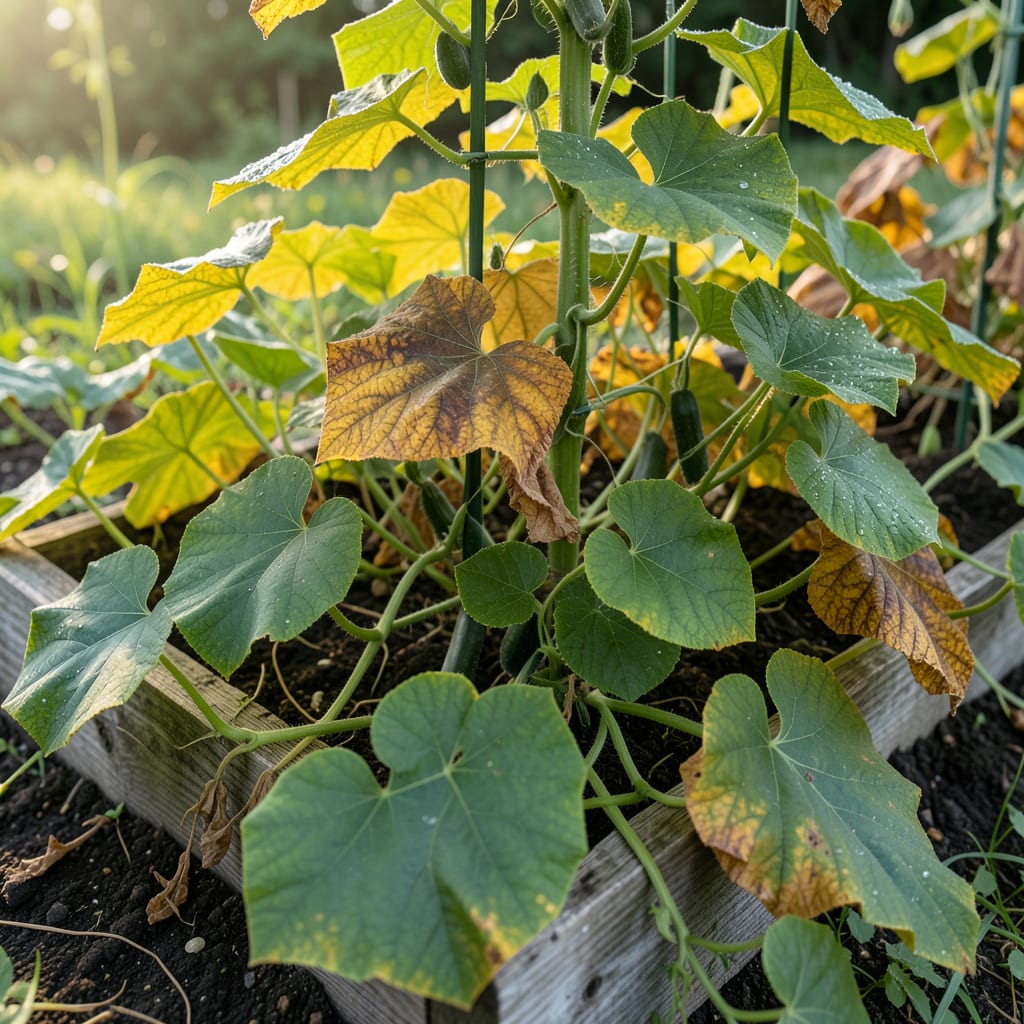
Your cucumber leaves are screaming for help. 🌱 I’ve been there—watching healthy green vines turn into a sad collection of yellow and brown foliage overnight. It’s not just unsightly; it’s a sign something’s wrong with your plants.
Here’s the thing—this isn’t always a death sentence. Most times, it’s fixable once you pinpoint the cause. Overwatering, pests, or nutrient issues usually top the list, and each leaves a distinct pattern on the leaves.
With the right tweaks, you’ll see new healthy growth within 7-10 days. The key is acting fast before the problem spreads to the rest of the plant.
We’ll walk through the clues, solutions, and how to keep it from happening again next season. Your cucumbers can bounce back stronger.
Cucumber leaves turning yellow and brown are often a sign of underlying stress. Below are the most common causes, explained with actionable insights to help you diagnose the issue.
Nitrogen, magnesium, or potassium shortages can cause yellowing (chlorosis) followed by browning. Nitrogen deficiency starts in older leaves, while magnesium deficiency often appears as interveinal yellowing (veins stay green). A soil test confirms the issue—amend with a balanced fertilizer or Epsom salt (for magnesium).
Both extremes disrupt nutrient uptake. Overwatering suffocates roots, leading to yellowing, while underwatering causes crisp, brown edges. Check soil moisture 1–2 inches deep—it should feel like a damp sponge. Adjust watering to maintain consistent moisture, and ensure well-draining soil to prevent root rot.
Pathogens like Alternaria leaf blight or bacterial leaf spot create yellow halos around brown spots. These thrive in wet foliage—water at the base, not overhead, and improve air circulation. Remove infected leaves and apply copper-based fungicides or neem oil preventatively.
Sap-sucking pests like spider mites or aphids cause stippling (tiny yellow dots) that progress to browning. Inspect leaf undersides for webbing or clusters. Blast pests off with water or use insecticidal soap. Introduce beneficial insects like ladybugs for long-term control.
Extreme heat, cold drafts, or sudden temperature swings can scorch leaves. Cucumbers prefer 70–90°F. Use row covers for cold snaps and shade cloth for heatwaves. Brown edges may also signal salt burn from over-fertilizing—flush soil with water to leach excess salts.
Here’s how to tackle each common cause of yellowing and browning cucumber leaves, with practical fixes and prevention tips to keep your plants thriving.
Fix: Check soil moisture 1-2 inches deep. Water deeply when the top inch is dry, but avoid soggy soil. Use a moisture meter for accuracy. If overwatered, let the soil dry out and improve drainage by adding compost or perlite.
Prevention: Mulch around plants to retain moisture evenly. Water in the early morning to reduce evaporation.
Fix: Test soil with a kit. For nitrogen deficiency (pale yellow leaves), apply a balanced fertilizer (10-10-10). For magnesium (yellow with green veins), use Epsom salt (1 tbsp/gallon of water) as a foliar spray. For potassium (brown edges), add wood ash or potassium sulfate.
Prevention: Enrich soil with compost before planting. Use a slow-release fertilizer during the growing season.
Fix: Spray leaves with neem oil or insecticidal soap to control aphids, spider mites, or whiteflies. For severe cases, remove heavily infested leaves. Introduce beneficial insects like ladybugs for natural control.
Prevention: Inspect plants weekly for pests. Encourage biodiversity with companion plants like marigolds or basil.
Fix: Remove infected leaves immediately to prevent spread. Apply a copper-based fungicide or a baking soda solution (1 tsp baking soda + 1 quart water + a few drops of dish soap) for fungal issues. For bacterial leaf spot, avoid overhead watering.
Prevention: Space plants properly for airflow. Rotate crops yearly to reduce disease buildup in the soil.
Fix: Provide shade cloth (30-50%) during peak afternoon heat. Ensure plants are well-watered during heatwaves to reduce stress.
Prevention: Harden off seedlings before transplanting. Choose heat-tolerant cucumber varieties if you live in a hot climate.
💡 Pro Tip: Regularly clean up garden debris to minimize hiding spots for pests and pathogens!
Check soil 1-2 inches deep. Dry soil means underwatering, while soggy or foul-smelling soil indicates overwatering. Adjust accordingly and ensure well-draining soil to prevent root rot.
Unfortunately, once leaves turn yellow or brown, they won’t recover. Focus on treating the plant to encourage new, healthy growth. Remove severely damaged leaves to redirect energy.
Use a foliar spray like Epsom salt for magnesium or a balanced liquid fertilizer for nitrogen. Results appear within 3-5 days of application. Always follow label instructions.
Older leaves often show stress first because nutrients are mobile. Nitrogen, for example, moves to newer growth, leaving older leaves yellow and brown. This is a classic sign of deficiency.
