
Beautiful Plants For Your Interior
Beautiful Plants For Your Interior
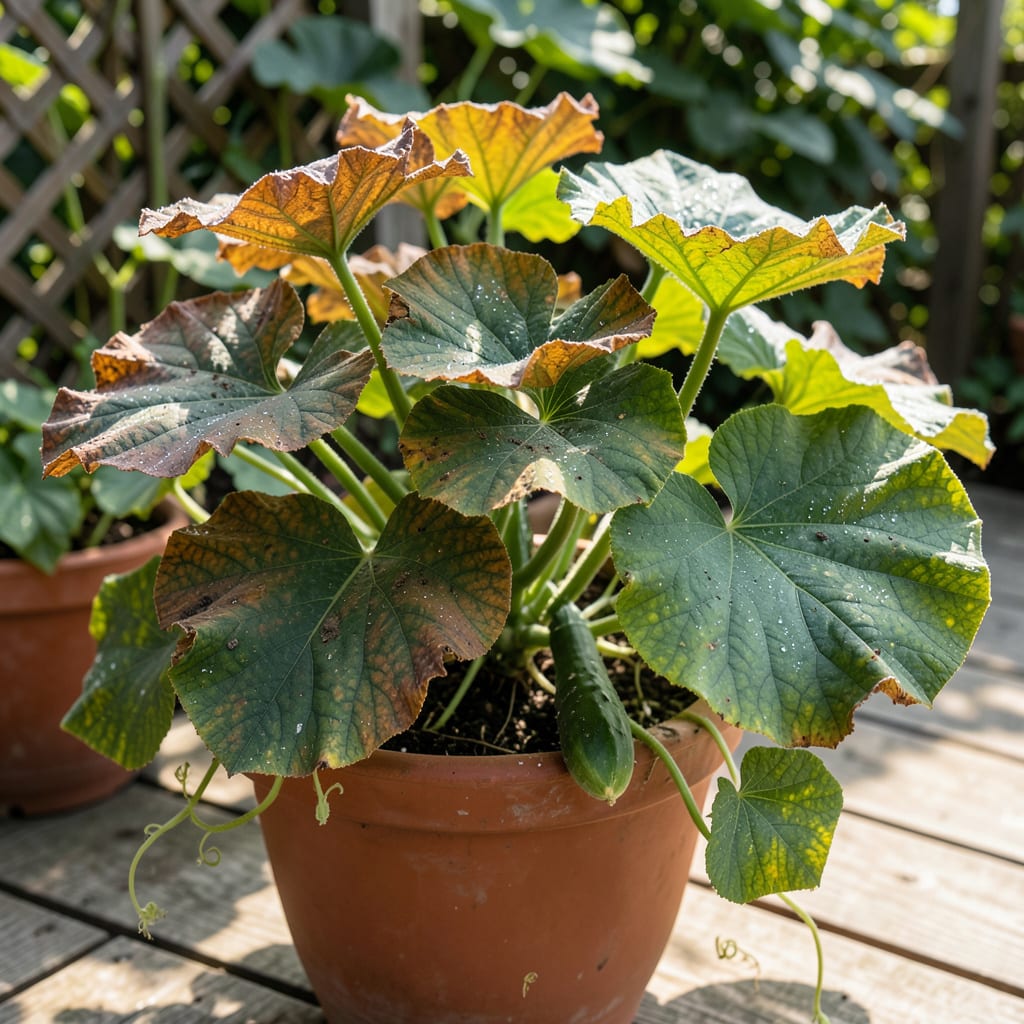
Brown cucumber leaves freaked me out the first time I saw them. 🌱 I thought my whole crop was doomed, but turns out it’s usually fixable once you know what to look for.
Most times it’s environmental stress—too much sun, not enough water, or a sudden temperature swing. Other culprits include pests like spider mites or diseases such as powdery mildew hiding on the undersides.
You’ll spot the difference between crispy edges from drought and yellowing patches from disease. The fix is often as simple as adjusting your watering routine or adding a little shade.
With the right tweaks, your plants bounce back fast. I’ve saved entire vines with just a few changes, and you can too.
Brown cucumber leaves often signal underlying stress or disease. Below are the most common causes, explained with actionable insights to help you diagnose the issue.
Cucumbers thrive in warm conditions, but temperatures above 90°F (32°C) can scorch leaves, turning them brown and crispy. This is especially true if plants are exposed to intense afternoon sun without adequate shade. The cells in the leaves essentially “burn,” leading to necrotic (dead) patches. Solution: Provide shade cloth during peak heat or ensure consistent watering to cool the soil.
Inconsistent moisture levels are a leading cause of browning. Underwatering leads to dry, brittle leaves as the plant conserves water. Meanwhile, overwatering suffocates roots, preventing nutrient uptake and causing leaves to yellow before turning brown. Action: Check soil moisture 1–2 inches deep—it should feel damp but not soggy. Use drip irrigation for even hydration.
Pathogens like Alternaria leaf spot or powdery mildew thrive in humid conditions, creating brown or black spots that spread across leaves. These fungi block photosynthesis, weakening the plant. Prevention: Improve airflow between plants, avoid overhead watering, and apply copper-based fungicides at the first sign of spots.
Sap-sucking pests like spider mites or aphids pierce leaf tissues, causing stippling (tiny brown dots) that merge into larger brown areas. Their feeding also spreads viruses. Fix: Inspect leaf undersides and use neem oil or insecticidal soap for early infestations.
A lack of magnesium (interveinal browning) or potassium (leaf edges turning brown) can manifest as discoloration. Poor soil or pH imbalances (ideal: 6.0–6.8) often limit nutrient availability. Remedy: Test soil and amend with compost or a balanced fertilizer (e.g., 10-10-10).
Here’s how to tackle each cause of browning cucumber leaves with simple, actionable fixes:
Fix: Check soil moisture by sticking your finger 1 inch deep. If dry, water deeply until the top 6 inches are damp. If soggy, let the soil dry out before watering again. Use drip irrigation to maintain consistent moisture.
Prevention: Mulch around plants with straw to retain moisture. Water in the early morning to reduce evaporation. 💡 Pro tip: Use a moisture meter for precision.
Fix: Remove infected leaves immediately and discard them away from the garden. Apply a copper-based fungicide or neem oil spray to the plant, focusing on the undersides of leaves. Repeat every 7–10 days until the issue clears.
Prevention: Improve airflow by spacing plants 12–18 inches apart. Avoid overhead watering to keep leaves dry. ✨ Pro tip: Rotate crops yearly to prevent soil-borne diseases.
Fix: Blast aphids or spider mites off with a strong stream of water. For stubborn pests, use insecticidal soap or introduce beneficial insects like ladybugs. Apply treatments in the early morning or late evening for best results.
Prevention: Inspect leaves weekly for eggs or webs. Plant companion herbs like basil or dill to repel pests naturally. 🎯 Pro tip: Yellow sticky traps can catch flying pests early.
Fix: If leaves are scorched from too much sun, provide shade cloth during peak afternoon hours. For cold stress, cover plants with frost blankets on chilly nights.
Prevention: Plant cucumbers where they get 6–8 hours of morning sun and afternoon shade. Harden off seedlings before transplanting to reduce shock.
No, once cucumber leaves turn brown, the damage is permanent. Focus on fixing the root cause to prevent new leaves from browning. Remove the affected foliage to help the plant direct energy to healthy growth.
Ensure consistent watering, provide afternoon shade in extreme heat, and improve airflow. Regularly inspect leaves for pests or disease. A 1-inch layer of mulch helps maintain soil moisture.
Yes, if the cucumbers themselves look healthy. The fruit is usually unaffected unless the plant has a severe disease. Wash cucumbers thoroughly before eating to remove any residues.
