
Beautiful Plants For Your Interior
Beautiful Plants For Your Interior
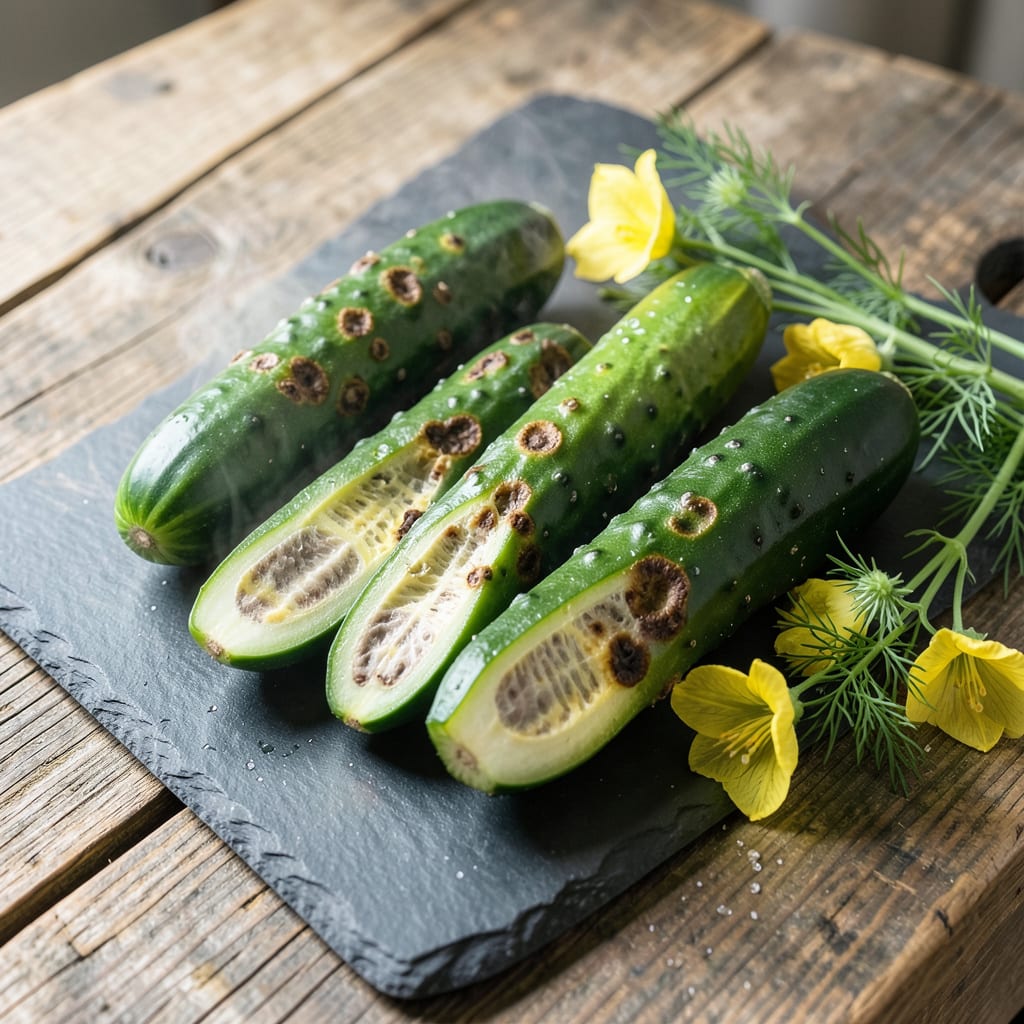
First time I saw cucumbers rotting on the vine, I panicked. 🌱 Turns out blossom end rot has a simple fix—it’s not a disease but a calcium shortage that hits when plants get thirsty.
The problem shows up as dark, sunken spots at the fruit’s end, spreading fast in hot weather. Most gardeners overlook inconsistent watering as the main trigger, but I learned the hard way: dry spells block calcium uptake.
Here’s the thing—solving it takes 2 steps: add calcium (egg shells work) and keep soil evenly moist. Results appear within 1-2 weeks as new growth stays firm and healthy.
Works for all cucurbit crops, not just cucumbers. No fancy tools, just consistency.
Blossom end rot in cucumbers is primarily triggered by calcium deficiency in the developing fruit. However, the root causes extend beyond just a lack of calcium in the soil. Here’s a breakdown of the key factors:
The most direct cause is inadequate calcium uptake by the cucumber plant. Even if your soil has sufficient calcium, factors like uneven watering or excessively acidic soil (pH below 6.0) can hinder the plant’s ability to absorb it. Calcium is a non-mobile nutrient, meaning the plant cannot redistribute it from older leaves to new growth or fruits once it’s been used.
Fluctuations in soil moisture—either drought stress or overwatering—disrupt calcium transport to the fruit. Dry spells slow down nutrient movement, while waterlogged roots suffer from poor oxygen supply, reducing their efficiency in taking up calcium. Consistent, even watering is critical, especially during fruit development.
Cucumbers growing too quickly (often due to high nitrogen fertilization or heatwaves) can outpace the plant’s calcium supply. Similarly, cold snaps or root damage from transplanting or cultivation can stress the plant, limiting its ability to absorb and distribute calcium properly.
If your soil pH is too low (acidic) or too high (alkaline), calcium becomes less available. Additionally, excess potassium or magnesium in the soil can compete with calcium for uptake, further starving the plant of this essential nutrient.
Blossom end rot in cucumbers is frustrating, but these targeted fixes will get your plants back on track. Address the root causes with these practical steps:
Inconsistent watering disrupts calcium uptake. Fix it: Water deeply 1–2 times per week, ensuring the soil stays evenly moist (not soggy). Use drip irrigation or soaker hoses to deliver water directly to roots. Prevention tip: Mulch with straw or shredded leaves to retain moisture and reduce evaporation. 💡
Low calcium in the soil? Fix it: Add crushed eggshells, gypsum, or a calcium-rich fertilizer (like lime) to the soil. For a quick boost, spray foliage with a 1% calcium chloride solution (1 tbsp per gallon of water) at the first sign of rot. Prevention tip: Test soil pH annually—calcium is best absorbed at a pH of 6.0–6.8. ✨
Fast-growing cucumbers can outpace calcium absorption. Fix it: Reduce high-nitrogen fertilizers, which promote leafy growth at the expense of fruit. Switch to a balanced fertilizer (e.g., 10-10-10) and add compost for steady nutrient release. Prevention tip: Avoid over-fertilizing—stick to the package instructions. 🎯
Injured roots can’t absorb calcium efficiently. Fix it: Avoid hoeing too close to plants. If transplanting, handle seedlings gently to minimize root shock. Prevention tip: Use a garden fork to loosen soil before planting to encourage deep root growth. 🌱
Pro tip: Remove affected cucumbers immediately to redirect the plant’s energy to healthy fruit. With consistent care, new growth will be rot-free!
The blossom end is farthest from the stem, so calcium reaches it last. Since calcium can’t move within the plant, new growth at the fruit’s tip gets starved first.
Yes, but cut off the affected area first. The rest is safe to eat, though the texture may be softer. Remove severely rotted fruit to prevent disease spread.
With proper calcium boost and even watering, new fruit should show improvement within 1-2 weeks. Existing damage won’t heal, but future cucumbers will be healthy.
Yes, removing rotting fruit redirects energy to healthy growth. This also prevents potential fungal or bacterial infections from spreading to the plant.
