
Beautiful Plants For Your Interior
Beautiful Plants For Your Interior
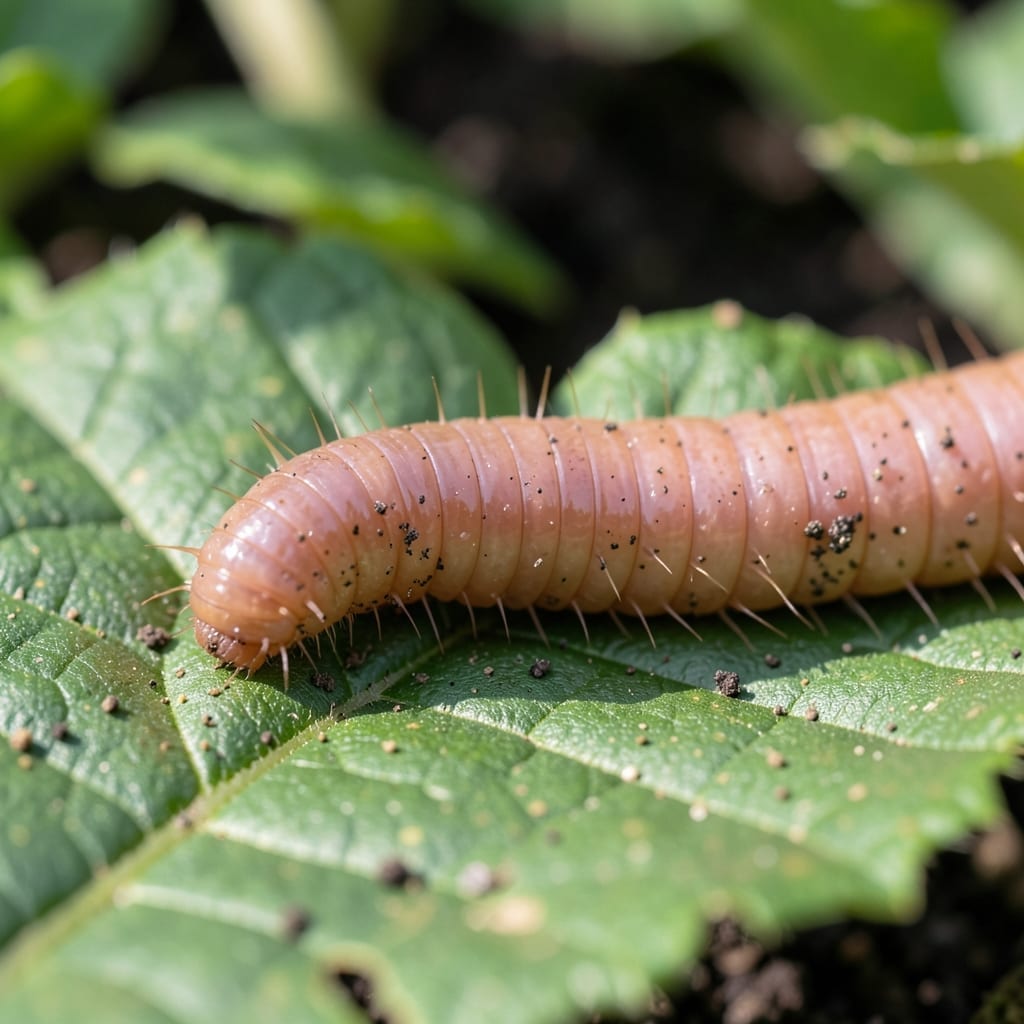
That squirming creature in your soil isn’t just gross—it’s a garden detective’s clue. 🌱 I’ve learned to tell friend from foe by their habits, and it’s saved my plants more times than I can count.
Some worms aerate soil and enrich it, while others chew through roots and stems overnight. The difference often comes down to color, size, and where you spot them. One quick glance can mean the difference between thriving plants and a silent massacre.
You’ll start seeing patterns—white grubs near the surface, dark cutworms curled under leaves. Once you recognize them, control becomes simple and targeted, without harming the helpers.
No advanced degree needed, just a sharp eye and this visual guide. Here’s how to read the signs before the damage spreads.
The “crop” in worms, particularly in earthworms, is often a sign of environmental stress or physical damage. This condition can stem from several key factors, each disrupting the worm’s natural biology or habitat. Below are the primary causes, explained with actionable insights.
Worms thrive in cool, moist conditions (55–75°F). Sudden heat or cold can shock their systems, leading to a visible “crop” or bulge as they struggle to process food. Action: Maintain stable soil temps with mulch or shade cloth.
Too much or too little water disrupts a worm’s digestive efficiency. Overly wet soil can cause bloating (appearance of a crop), while drought stress may halt digestion entirely. Action: Keep soil damp but not soggy; use a moisture meter for precision.
Worms fed high-acid or fibrous materials (e.g., citrus, meat) may develop digestive blockages, mimicking a crop. Action: Stick to composted veggies, leaf litter, or aged manure.
Handling worms roughly or exposing them to sharp objects (e.g., tillers) can damage their segments, creating abnormal swellings. Action: Use gentle tools and avoid deep tilling in worm-rich areas.
Dealing with a crop infested by worms can be frustrating, but these targeted solutions will help you reclaim your garden. Address the root causes with practical fixes and prevent future outbreaks.
Fix: Adjust your watering schedule to allow the soil to dry slightly between sessions. Improve drainage by adding organic matter like compost or sand to the soil. Raise garden beds if water pooling is persistent.
Prevention Tip: 💡 Use a moisture meter to monitor soil hydration and avoid creating a damp haven for worms.
Fix: Remove decaying leaves, mulch, or plant residue where worms thrive. Clear the garden bed surface regularly, and dispose of debris far from the planting area.
Prevention Tip: 🎯 Keep your garden clean and rotate crops annually to disrupt pest lifecycles.
Fix: Introduce beneficial nematodes or encourage birds and ground beetles by setting up habitats like bird baths or rock piles. These predators naturally reduce worm populations.
Prevention Tip: ✨ Plant companion plants like marigolds or basil, which repel pests and attract helpful insects.
Fix: Inspect new plants and soil for signs of worms before introducing them to your garden. Use sterilized potting mix for seedlings and solarize garden soil by covering it with clear plastic for 4–6 weeks to kill larvae.
Prevention Tip: 🔥 Purchase seeds and plants from reputable suppliers to minimize contamination risks.
Environmental stress like temperature swings or poor moisture levels can create visible swellings. Physical injury or a low-quality diet may also mimic this condition.
Yes, if the cause is addressed quickly. Return them to stable conditions—cool, moist soil with proper food—and they’ll often recover within 24-48 hours.
Maintain consistent soil moisture and temperature. Avoid overwatering or feeding worms acidic/fibrous materials. Use gentle tools to prevent injury.