
Beautiful Plants For Your Interior
Beautiful Plants For Your Interior
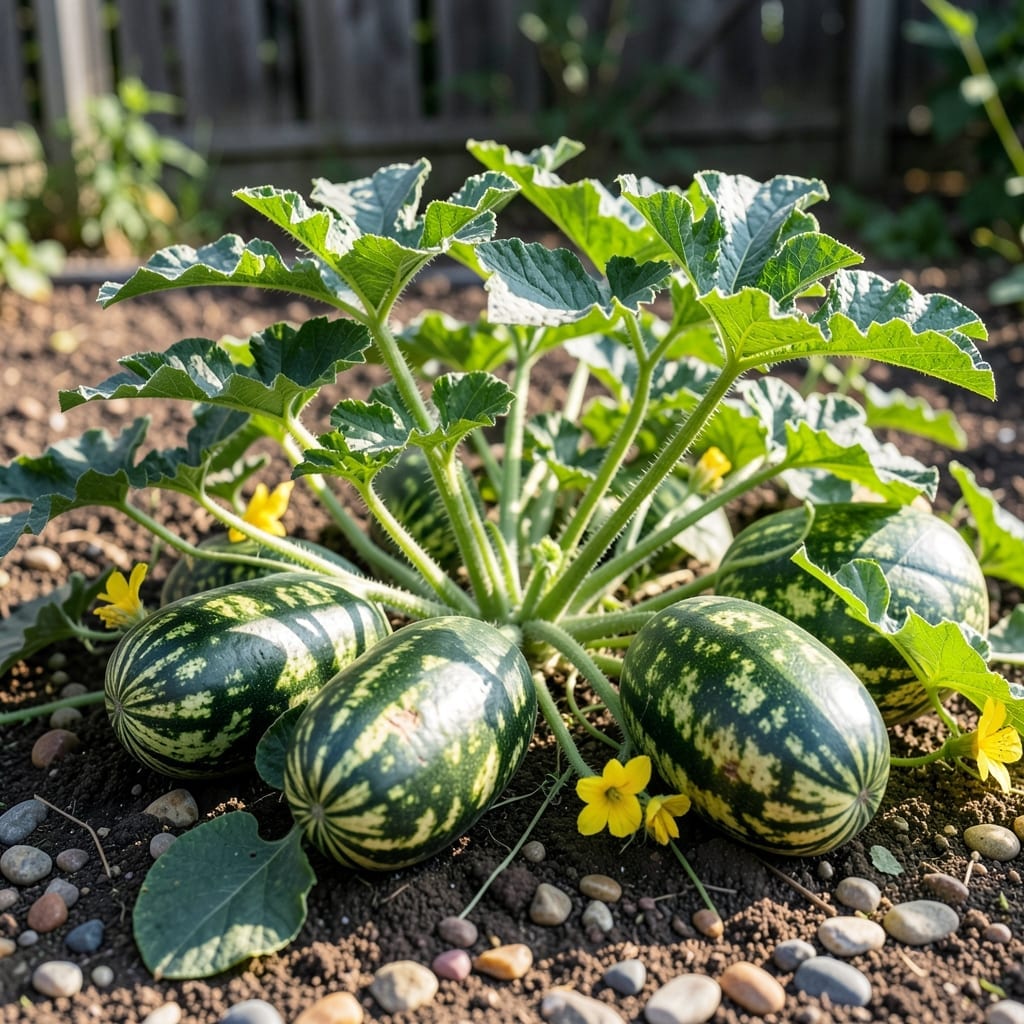
There’s something magical about watching a tiny seed transform into a juicy Crimson Sweet watermelon. This classic variety promises that perfect summer sweetness we all crave.
I remember the first time I grew 🍉 Watermelon – the excitement of spotting the first vine tendrils was unreal. Each stage brings its own rewards and challenges.
From germination to harvest, understanding these growth phases makes all the difference. You’ll learn exactly what to expect and how to nurture your plants through each critical moment.
Whether you’re a first-time gardener or looking to improve your harvest, this guide will walk you through the most important milestones for growing these delicious melons.
Growing Crimson Sweet watermelons is a journey through distinct stages, each with unique care needs. From seed germination to harvest, every phase shapes your final yield. I’ll walk you through each step to ensure success.
These classic red-fleshed watermelons thrive in warm soil and require 85 days on average. Proper timing and attention at each stage guarantee sweet, juicy fruits by summer’s end.
| Stage | Duration | Key Action |
|---|---|---|
| Seed Germination | 3-10 days | Keep soil 70-90°F |
| Seedling Growth | 2-3 weeks | Provide full sun and moisture |
| Vine Development | 3-4 weeks | Add support trellis if needed |
| Flowering Begins | 4-5 weeks | Watch for yellow blooms |
| Fruit Set | 5-6 weeks | Ensure bee pollination |
| Fruit Growth | 6-8 weeks | Maintain consistent watering |
| Harvest Ready | 85 days | Check tendril color |
The germination stage starts when you plant seeds in warm, moist soil. I recommend using a seedling heat mat if your climate is cooler. Seeds typically sprout within 3-10 days at the right temperature.
Once seedlings emerge, they need plenty of light and consistent moisture. I’ve found that 14-16 hours of light daily promotes strong growth. Thin seedlings to 2-3 feet apart to prevent overcrowding.
The vine development stage is when your plants start spreading rapidly. This is the time to add organic mulch to retain moisture and suppress weeds. I use straw or grass clippings for best results.
When yellow flowers appear, your plants are entering the reproductive phase. Male flowers come first, followed by female flowers that will develop into watermelon fruits. Bees play a crucial role here, so avoid pesticides.
During fruit growth, your watermelons will expand quickly. I check the soil moisture daily, as consistent watering prevents cracking. Reduce water as harvest nears to concentrate sugars for sweeter fruit.
The final stage is the most exciting – harvest time! Look for a creamy yellow underside and a dull rind. The tendril near the stem should turn brown and dry when the melon is ripe.
I always test ripeness by tapping the fruit – a hollow sound indicates it’s ready. With 85 days of care, you’ll be rewarded with juicy Crimson Sweet watermelons perfect for summer enjoyment.
Healthy Crimson Sweet watermelon vines need consistent care to thrive. I focus on deep watering at the base, avoiding wetting the leaves to prevent disease. Morning watering works best in my experience.
Fertilizing is key—use a balanced 5-10-10 formula every 4-6 weeks. I apply it in the morning and avoid late-season feeding to prevent excessive vine growth.
I always mulch around my watermelon plants to retain moisture and suppress weeds. Straw mulch works particularly well for this purpose.
Pest control is crucial—watch for cucumber beetles and aphids. I use neem oil for organic protection. Regular inspections help catch issues early.
Pruning excess runners redirects energy to fruit production. I remove side shoots once the main vine has 4-5 leaves. This keeps plants manageable.
For container gardens, choose large pots and provide trellis support. I’ve found 5-gallon containers work well for dwarf varieties. Ensure good drainage to prevent root rot.
Finally, rotate crops yearly to prevent disease buildup. I never plant watermelons in the same spot more than once every 3 years. This simple practice maintains soil health. 🌱