
Beautiful Plants For Your Interior
Beautiful Plants For Your Interior
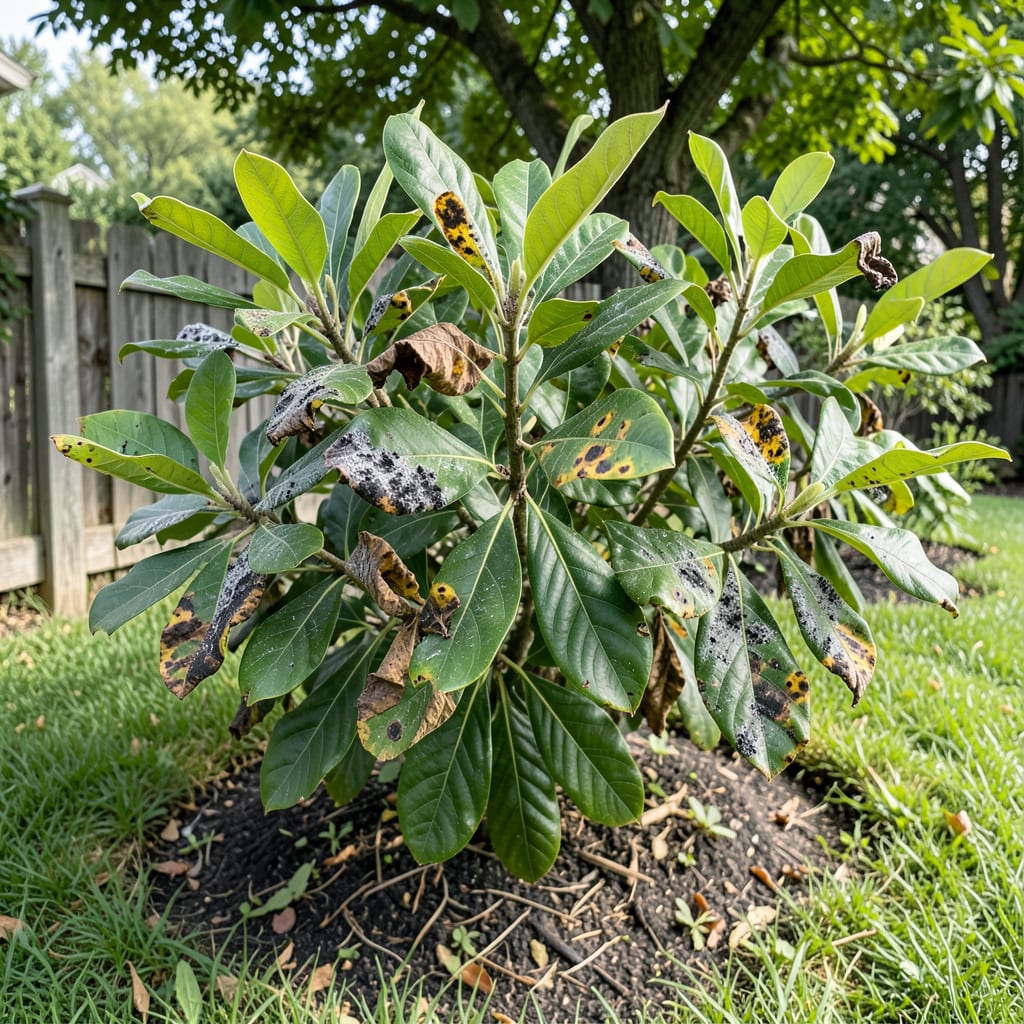
Spotted something off on your crepe myrtle? Catching issues early saves the tree—and your sanity.
I’ve seen powdery mildew, leaf spot, and sooty mold sneak up fast, turning vibrant blooms into a sad, spotted mess. The right pictures help you name the problem before it spreads.
This guide pairs clear images with simple fixes, from pruning infected branches to adjusting water habits. No guesswork, just actionable steps.
Works for backyard gardeners, urban planters, or anyone tired of watching their summer showstopper fade. Let’s identify and stop the damage.
Understanding the root causes of crepe myrtle diseases helps you prevent and treat them effectively. Below are the primary reasons these vibrant trees succumb to illness, supported by scientific explanations.
Excessive moisture and poor air circulation create ideal conditions for fungal pathogens like Cercospora and Powdery Mildew. These fungi thrive in humid environments, spreading spores that infect leaves, stems, and flowers. Overhead watering or crowded plantings exacerbate the problem by prolonging leaf wetness.
Insects such as aphids, scale, and Japanese beetles weaken crepe myrtles by feeding on sap or foliage. Their damage stresses the plant, making it more susceptible to secondary infections. Aphids, for example, excrete honeydew, a sticky substance that promotes sooty mold growth, further compromising plant health.
Extreme temperatures, drought, or nutrient deficiencies stress crepe myrtles, lowering their natural defenses. Heat stress, for instance, can trigger leaf scorch, while waterlogged soil leads to root rot. Poor soil drainage or compacted roots restrict nutrient uptake, starving the plant of essential resources.
Over-fertilization, particularly with high-nitrogen formulas, can encourage lush but weak growth that’s prone to disease. Conversely, deficiencies in key nutrients like potassium or magnesium reduce the plant’s ability to resist pathogens. Soil testing helps identify and correct these imbalances.
Improper pruning, lack of sanitation, or planting in unsuitable locations can invite disease. Pruning at the wrong time (e.g., late winter) may expose fresh wounds to fungal spores. Failing to remove fallen leaves or debris allows pathogens to overwinter and reinfect the plant in the next growing season.
Tackling crepe myrtle diseases starts with identifying the issue and applying targeted fixes. Below are practical solutions for common problems, paired with prevention tips to keep your plants thriving. 🌿
Remove infected leaves and thin out dense branches to boost air circulation. Apply a fungicide like neem oil or sulfur-based sprays weekly until symptoms fade. Prevention: Space plants 6–8 feet apart and water at the base to avoid wetting foliage.
Blast aphids off with a strong water spray or introduce ladybugs. For heavy infestations, use insecticidal soap or horticultural oil. Prevention: Inspect leaves regularly and avoid over-fertilizing with nitrogen.
Prune affected leaves and destroy them (do not compost). Apply a copper-based fungicide every 10–14 days. Prevention: Water in the morning so leaves dry quickly, and avoid overhead irrigation.
Trim blackened roots and repot in fresh, well-draining soil. Use a fungicide containing mefenoxam or propiconazole. Prevention: Plant in raised beds or amend heavy soil with compost to improve drainage.
Pro Tip: 💡 Always sterilize pruning tools with rubbing alcohol between cuts to prevent spreading diseases.
Look for white, powdery spots on leaves and new growth. It often appears in humid conditions and can spread quickly. Early detection is key to preventing damage.
Black spots are usually leaf spot fungus. Remove infected leaves immediately and avoid overhead watering. Fungicides can help stop the spread.
Yes! Improve airflow, remove infected parts, and use natural options like neem oil. Preventative care like proper spacing and watering goes a long way.
This often happens from heat stress or drought. Ensure consistent watering and mulch to retain moisture. Adjust care during extreme weather.
