
Beautiful Plants For Your Interior
Beautiful Plants For Your Interior
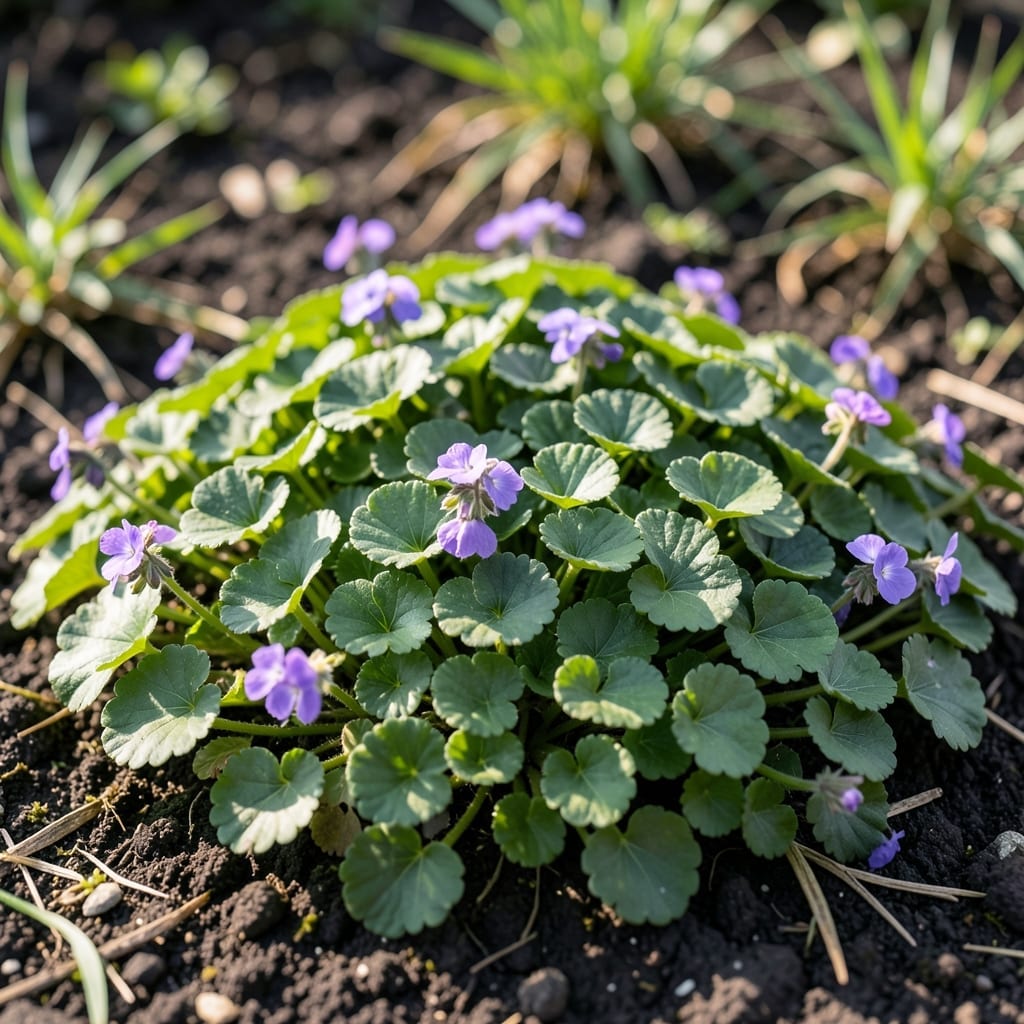
That bright green mat with tiny yellow flowers? It’s creeping Charlie, and it’s so much more than just a weed. I used to pull it out until I noticed bees swarming its blooms every spring.
This plant spreads fast, forming a thick carpet that chokes out other weeds while feeding pollinators. It thrives in shady spots where grass struggles, and it stays green almost year-round.
Once you see it through a pollinator’s eyes, you might stop fighting it. The flowers are small but packed with nectar, drawing bees and butterflies in droves.
Works in gardens, under trees, or along pathways. Here’s how to grow it—or control it, if it’s taking over.
Creeping Charlie (Glechoma hederacea) typically produces purple-blue flowers, but yellow blooms can occasionally appear. This color shift usually stems from specific environmental, genetic, or cultural factors. Below are the most common causes, explained with actionable insights.
Some Creeping Charlie plants naturally carry recessive genes for yellow pigmentation. While rare, these variants can emerge spontaneously in wild populations. If you notice yellow flowers in a patch that was previously uniform, it may be a genetic mutation. Action: Propagate these plants separately if you prefer the yellow hue, as they’ll retain the trait.
Prolonged exposure to intense sunlight or drought can alter flower color by affecting anthocyanin production (the pigment responsible for purple/blue shades). Yellow flowers may appear as a stress response, signaling the plant’s struggle to thrive. Action: Ensure consistent moisture and provide partial shade in hot climates to restore typical coloring.
Soil deficient in phosphorus or with high nitrogen levels can disrupt pigment synthesis. Phosphorus supports vibrant blooms, while excess nitrogen promotes leafy growth at the expense of flower color. Action: Test your soil and amend with bone meal (for phosphorus) or reduce nitrogen-heavy fertilizers.
Certain plant viruses, like the Aster Yellows phytoplasma, can cause abnormal flower coloration, including yellowing. Infected plants may also exhibit stunted growth or distorted leaves. Action: Remove and destroy affected plants to prevent spread, and control leafhopper populations (common vectors).
If creeping charlie with yellow flowers is taking over your garden or lawn, don’t panic—there are effective ways to reclaim your space while keeping its pollinator benefits intact. Below are practical solutions tailored to common issues, along with prevention tips to keep it in check long-term.
Fix: Hand-pull small patches when the soil is moist to remove roots easily. For larger areas, apply a selective broadleaf herbicide (like 2,4-D) in early spring or fall when creeping charlie is actively growing. Avoid mowing it—this spreads the plant further.
Prevention: Maintain a thick, healthy lawn by overseeding bare spots and aerating compacted soil. Creeping charlie thrives in thin turf, so crowd it out with grass or clover.
Fix: Smother the plants with cardboard or landscape fabric topped with mulch for 4–6 weeks. For stubborn patches, use a vinegar-based herbicide (1 gallon of vinegar + 1 cup of salt + 1 tbsp dish soap) on a sunny day. Note: This kills all plants it touches, so apply carefully.
Prevention: Edge garden beds with metal or plastic barriers sunk 6 inches deep to block underground runners. Regularly inspect and remove new shoots before they establish.
Fix: Dig out creeping charlie by the roots using a garden fork, ensuring you remove all nodules. For mixed plantings, limit its space by confining it to containers or designated areas.
Prevention: Plant creeping charlie in controlled zones away from prized perennials. Pair it with aggressive ground covers like mint or ajuga to balance its growth.
Pro Tip 💡: If you love the pollinator appeal but want to contain it, harvest the flowers for arrangements or dry them for tea—this reduces seed spread while enjoying its benefits!
Yes, its flowers are a rich nectar source for bees and butterflies. Gardeners often keep patches specifically to support pollinators. Just avoid herbicides while bees are active.
It grows via above-ground runners and underground rhizomes, forming dense mats. One plant can cover several feet in a single season. Regular edging helps control its spread.
Use wide, shallow pots with drainage holes. It thrives in partial shade and consistently moist soil. This also prevents it from overtaking garden beds.
Smother with cardboard and mulch for 4-6 weeks. For small areas, hand-pull when soil is damp. Persistence is key as missed roots can regrow.