
Beautiful Plants For Your Interior
Beautiful Plants For Your Interior
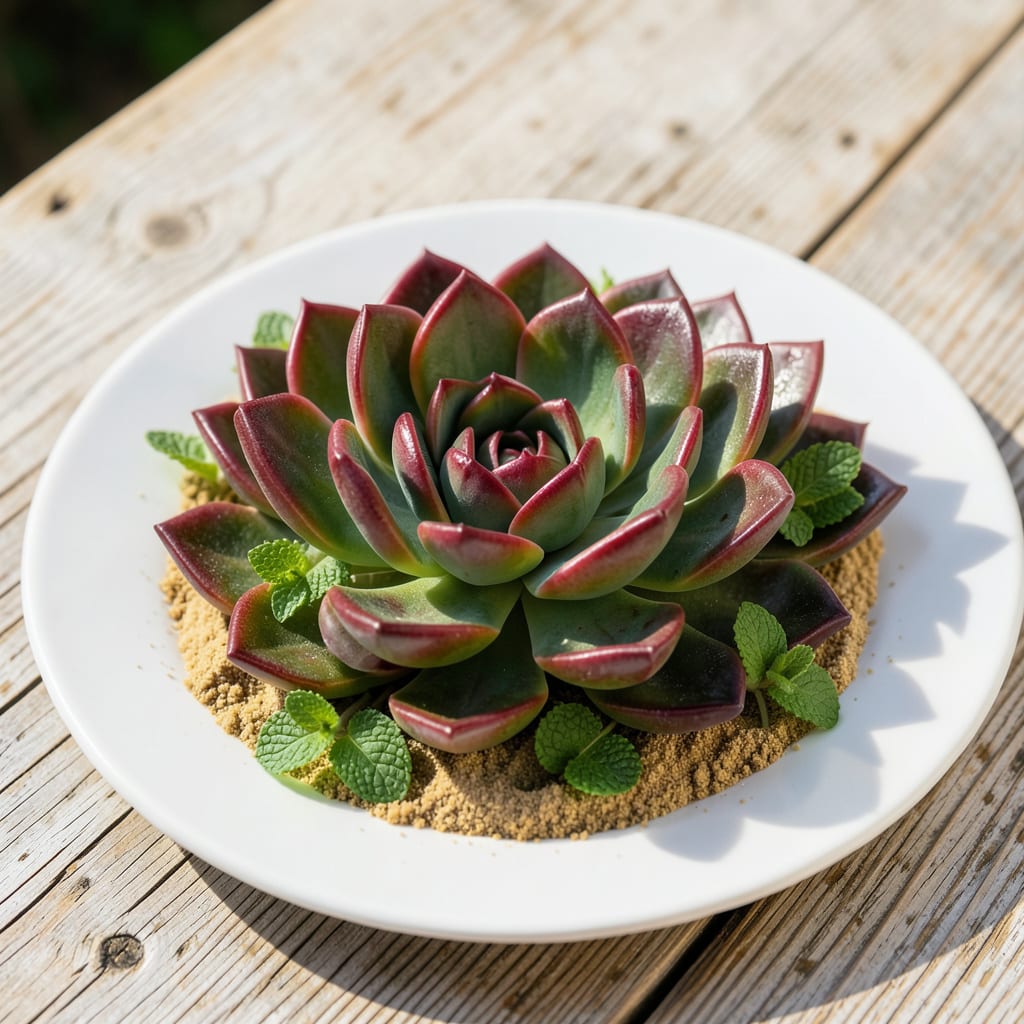
This succulent steals the show with its peeling, cinnamon-colored bark. 🌱 I first noticed it while searching for drought-proof plants that add year-round interest without demanding constant attention.
Crassula rubricaulis thrives on neglect—give it bright light, rare waterings, and well-draining soil. It rewards you with architectural form and that striking bark that only improves with age. Perfect for rock gardens or containers.
📚 In This Guide
Here’s the method I use to cultivate this stunning succulent with its signature peeling bark and vibrant foliage.
Choose a spot with bright, indirect light—4-6 hours of morning sun works perfectly. Full afternoon sun can scorch the leaves, especially in hotter climates. I’ve found that a east-facing window or a partially shaded patio delivers the best coloration without stressing the plant.
Ensure the area has excellent drainage. Candy Cane Crassula despises soggy roots, so avoid low-lying spots where water pools. If planting in containers, elevate them slightly to prevent water from collecting underneath.
Use a gritty, fast-draining mix—I blend 50% cactus/succulent soil with 50% perlite or pumice. This mimics the rocky, arid conditions the plant thrives in. Regular potting soil holds too much moisture and will suffocate the roots over time.
For in-ground planting, amend the native soil with coarse sand or gravel to improve drainage. Dig a hole slightly larger than the root ball, and mix in a handful of the amended soil at the base. This prevents water from pooling around the roots.
Place the plant in the prepared hole or container, ensuring the base of the stem sits just above the soil line. Backfill gently and press the soil lightly to remove air pockets. Water immediately after planting to help the roots settle, but don’t soak it—just enough to dampen the soil.
Once established, water only when the top 1-2 inches of soil are completely dry. In most climates, this means watering every 2-3 weeks. Overwatering is the fastest way to kill this plant, so when in doubt, wait. The leaves will start to wrinkle slightly when it’s truly thirsty.
Keep your Candy Cane Crassula in temperatures between 65-80°F during the growing season. It can tolerate brief dips to 50°F, but frost will damage the foliage and bark. If you’re growing it outdoors in a cooler climate, bring it inside before the first frost.
If the plant stretches or becomes leggy, it’s begging for more light. Move it to a brighter location gradually to avoid sunburn. The peeling bark becomes more pronounced with adequate light, adding to its striking appearance.
Prune leggy stems in early spring to encourage bushier growth. Use clean, sharp shears to snip just above a leaf node. The cuttings can be propagated easily—let them dry for 1-2 days, then place them on top of moist soil. They’ll root in 3-4 weeks.
Real talk: this plant is forgiving. Even if you make a mistake, it’s likely to bounce back. Watch for the peeling bark to develop as the plant matures—it’s the most rewarding sign that you’re doing everything right.
These small adjustments make a surprisingly big difference in your plant’s health and appearance.
Light Optimization: That 4-6 hours of morning sun mentioned in Step 1 is non-negotiable for vibrant foliage and pronounced peeling bark. I learned the hard way that afternoon sun, even filtered, can bleach the leaves. An east-facing window is ideal—north-facing works but may require supplemental grow lights in winter.
Drainage Non-Negotiable: The 50/50 soil-to-perlite ratio in Step 2 isn’t just a suggestion. Regular potting soil retains too much moisture, and I’ve lost plants to root rot within weeks when I cut corners. If using containers, ensure every pot has drainage holes—no exceptions.
Watering Wisdom: That 2-3 week watering interval in Step 3 is a guideline, not a rule. In humid climates, you might stretch to 4 weeks. The wrinkled leaf test mentioned in the instructions is your best indicator—more reliable than any moisture meter. When in doubt, wait another day.
Temperature Transition: The 50°F tolerance in Step 4 means brief exposure, not sustained cold. I move my plants indoors when nighttime temps drop below 55°F consistently. Sudden temperature swings cause more stress than steady coolness, so acclimate gradually when moving between environments.
Water only when the soil is completely dry—typically every 2-3 weeks in summer and even less in winter. Overwatering causes root rot, so ensure good drainage.
Peeling bark is natural, but excessive loss may indicate stress. Check for overwatering, poor light, or pests. Adjust care and ensure it gets bright, indirect sunlight.
Yes! Place it near a south-facing window for ample light. Rotate occasionally for even growth. If light is insufficient, supplement with a grow light.
Try Crassula ‘Campfire’ or Crassula ovata ‘Hummel’s Sunset’ for similar drought-tolerant beauty. Both offer striking colors and easy care.
