
Beautiful Plants For Your Interior
Beautiful Plants For Your Interior
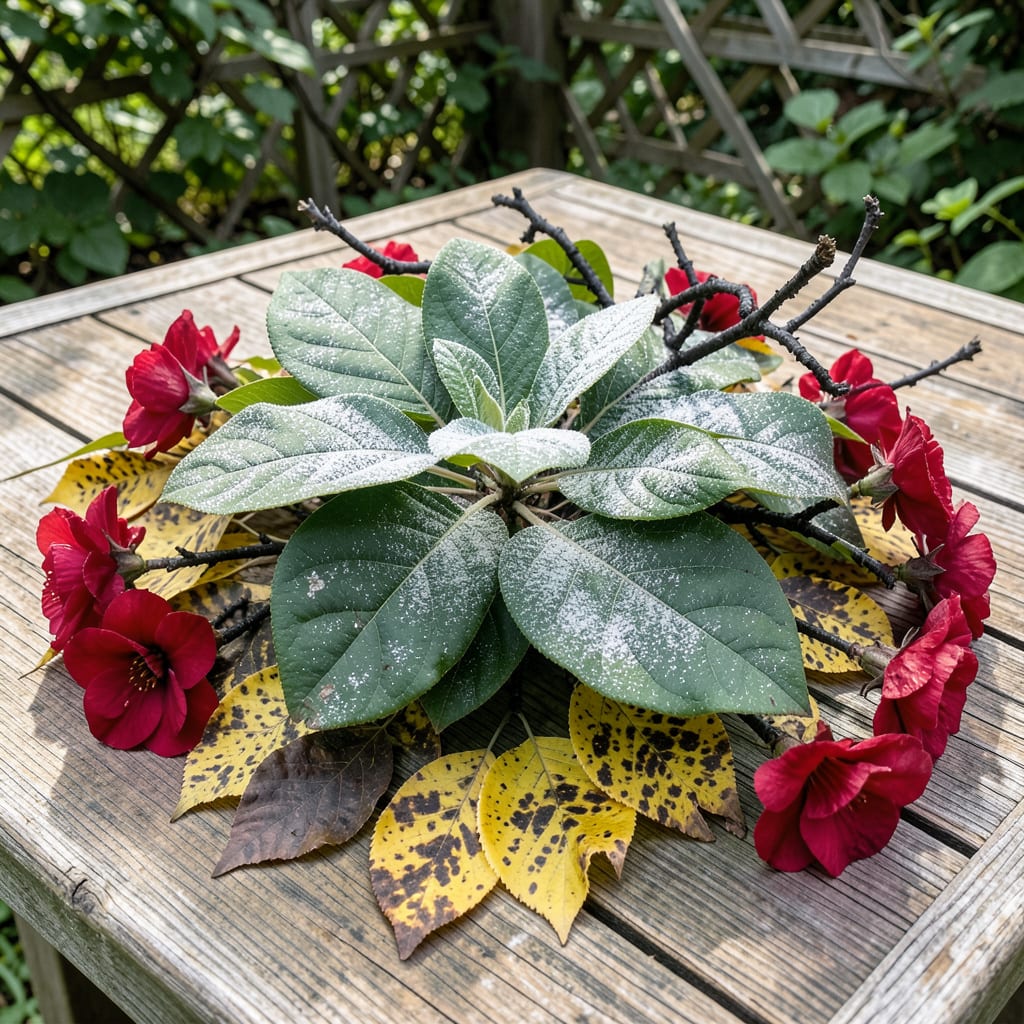
Spotted leaves or blackened branches on your crepe myrtle aren’t just unsightly—they’re a cry for help. I’ve seen healthy trees decline fast when disease goes untreated, but the good news is most issues are fixable with early action.
Powdery mildew, leaf spot, and sooty mold top the list of usual suspects. Each leaves a distinct calling card: white powder, dark splotches, or that sticky black coating. The key is matching the symptom to the right organic treatment before it spreads.
Simple changes like improving airflow, cleaning up fallen debris, and applying natural fungicides can turn things around. I’ve rescued more than a few trees with just neem oil and better pruning habits.
Prevention beats cure every time. A little vigilance now means a tree that bounces back stronger next season.
Understanding why crepe myrtle trees fall prey to diseases starts with recognizing the underlying factors that weaken their defenses. Below are the primary causes, explained with scientific precision.
Extreme temperatures, drought, or excessive moisture create stress that compromises the tree’s immune system. High humidity, for example, fosters fungal spores like Cercospora, which thrive in warm, wet conditions. Poor drainage leads to root rot, as waterlogged soil suffocates roots and invites pathogens like Phytophthora.
Fungal, bacterial, and viral pathogens exploit vulnerabilities in crepe myrtles. Powdery mildew (Erysiphe lagerstroemiae) spreads via airborne spores, while bacterial leaf spot (Xanthomonas spp.) enters through wounds or splashing water. Infected pruning tools or contaminated soil can also introduce diseases.
Insects like aphids and scale weaken trees by sapping nutrients, leaving them susceptible to secondary infections. Their honeydew residue promotes sooty mold growth, further stressing the plant. Bark beetles may also transmit fungal pathogens directly into the tree’s vascular system.
Overcrowding, improper pruning, or inadequate air circulation create ideal conditions for disease. Pruning wounds that aren’t sanitized invite infection, while excessive nitrogen fertilization can promote lush, disease-prone foliage. Planting in compacted or nutrient-poor soil also stunts growth and reduces resilience.
Addressing these root causes—through proper spacing, sanitation, and stress reduction—can significantly lower disease risk.
Keeping your crepe myrtle healthy starts with quick action and smart care. Below are targeted solutions for common issues, paired with prevention tips to stop problems before they start.
Trim crowded branches to boost air circulation, and water at the base to keep leaves dry. Apply neem oil or a baking soda solution (1 tsp baking soda + 1 quart water + a drop of dish soap) every 7–10 days until the white powder fades.
Prevent it: Space plants properly and prune in late winter to open the canopy.
Rake up and destroy fallen leaves to break the disease cycle. Spray affected foliage with copper fungicide or a hydrogen peroxide mix (1 part 3% H₂O₂ to 10 parts water). Repeat after rain.
Prevent it: Avoid overhead watering and keep the area under the tree clean and dry.
Wash off the black coating with a strong stream of water. Then, treat aphids or scale insects—the real culprits—with insecticidal soap or introduce beneficial insects like ladybugs.
Prevent it: Inspect leaves regularly for sticky honeydew and act at the first sign of pests.
Stop watering immediately and let the soil dry out. If the rot is severe, remove affected roots and replant in well-draining soil. Raised beds can help in heavy clay areas.
Prevent it: Test soil drainage before planting and water deeply but infrequently.
Scrape off visible scale with a soft brush, then apply horticultural oil in late winter or early spring before new growth appears. Repeat as needed.
Prevent it: Keep trees vigorous with proper fertilization and avoid stress from drought or injury.
That’s powdery mildew, a fungal disease that thrives in humid conditions. Improve airflow by pruning and apply neem oil weekly until it clears.
Leaf spot is likely the culprit. Remove infected leaves and spray with copper fungicide or a hydrogen peroxide mix. Always water at the base to keep foliage dry.
Sooty mold itself won’t kill the tree, but it blocks sunlight. Treat the underlying pest issue (like aphids) with insecticidal soap and wash off the mold with water.
Poor drainage is usually the cause. Stop watering, let the soil dry, and replant in well-draining soil. Raised beds help in clay-heavy areas.
