
Beautiful Plants For Your Interior
Beautiful Plants For Your Interior
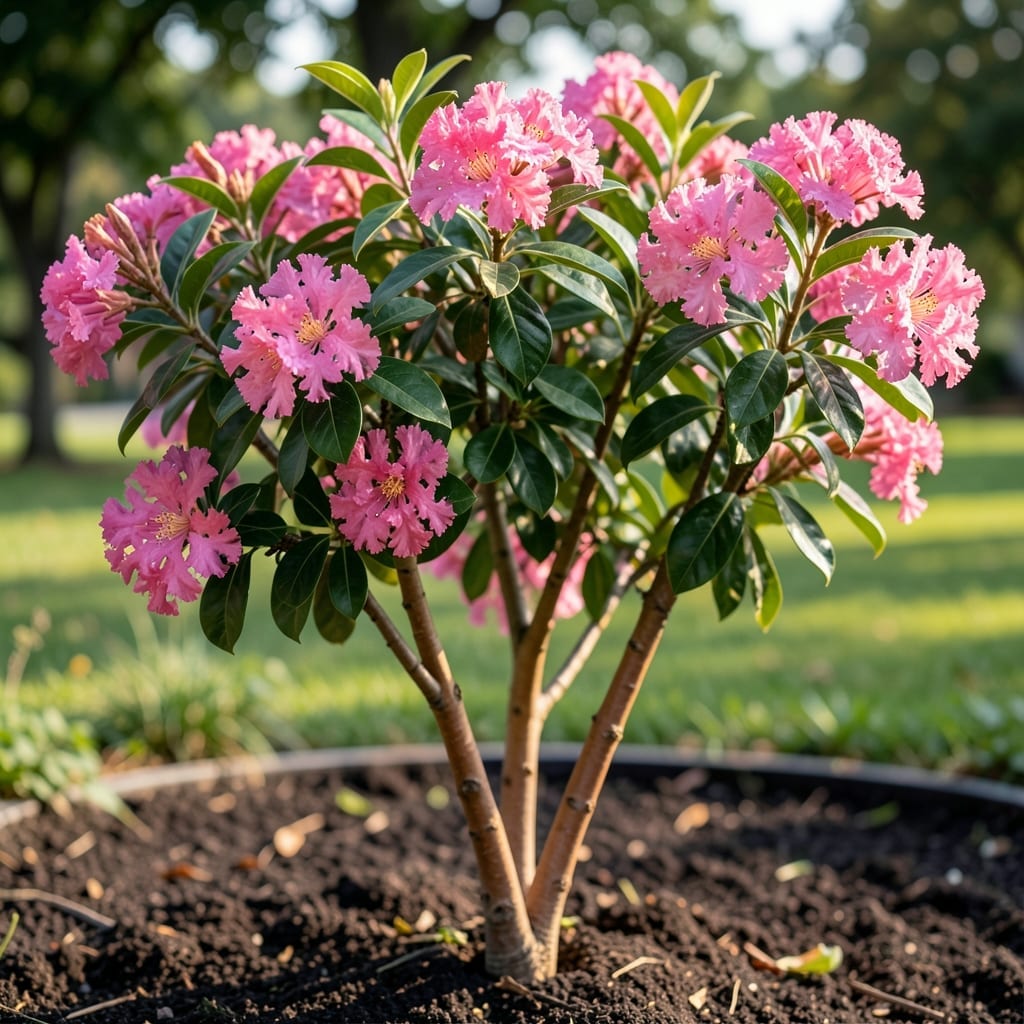
Choosing the right Crape Myrtle 🌳 for your landscape starts with understanding its mature size. Get it wrong, and you could face years of pruning headaches or a garden that looks out of balance.
From compact dwarf varieties to towering specimens, these trees can range from 3 feet to a stunning 25 feet tall. That’s a big difference in how they’ll fit into your space.
I’ve seen too many gardeners plant a variety that quickly outgrows its spot. The good news? With the right knowledge, you can pick the perfect size for your needs.
Let me walk you through how to match the Crape Myrtle to your landscape—so you get beauty without the battle.

Understanding crape myrtle size begins with recognizing the vast range of varieties available. These trees aren’t one-size-fits-all—they can grow from 3-foot dwarfs to 25-foot giants, depending on the cultivar.
I’ve categorized them into five main groups to simplify your selection. Each group serves different landscape needs, from container gardening to large property borders 🌳
| Variety | Mature Height | Mature Spread | Size Class |
|---|---|---|---|
| Pocomoke | 3-4 ft | 3-4 ft | Dwarf |
| Tonto | 8-10 ft | 6-8 ft | Semi-Dwarf |
| Acoma | 10-14 ft | 8-12 ft | Intermediate |
| Natchez | 20-25 ft | 15-20 ft | Standard |
| Muskogee | 20-25 ft | 15-20 ft | Large |
For small spaces, dwarf varieties like Pocomoke or Chickasaw stay under 5 feet. These are perfect for containers or along walkways where space is limited.
Semi-dwarf crape myrtles, such as Tonto or Zuni, reach 6-12 feet. They work well as focal points in medium-sized yards or as part of mixed borders.
If you need privacy screening or a canopy tree, look to intermediate types. Acoma and Caddo typically grow 10-14 feet tall with a similar spread.
The standard crape myrtles, including Natchez and Sarah’s Favorite, can reach 20-25 feet. These require ample space but provide stunning seasonal color and shade.
Remember, these are mature sizes—it may take 5-10 years for your tree to reach its full potential. Growth rates vary by climate and care conditions.
I always recommend checking the specific cultivar tag when purchasing. Even within size classes, there can be 2-3 foot variations that might affect your design plans.
Proper spacing at planting is crucial. Give dwarfs 3-4 feet, semi-dwarfs 6-8 feet, and standards 15-20 feet of clearance from structures or other plants 🌿
Selecting the right Crape Myrtle size can make or break your garden’s harmony. A dwarf variety fits beautifully in small spaces, while larger types create dramatic focal points or privacy screens.
I always recommend measuring your space first. A 15-foot spread might sound impressive, but it can overwhelm a modest backyard. Think about how the tree will interact with other plants and structures over time.
For street plantings, consider the mature root spread too. Standard Crape Myrtles need at least 15 feet from sidewalks to prevent future sidewalk damage. I’ve seen too many cases where roots buckle pavement.
Don’t forget about vertical clearance. If planting near power lines, stick to dwarf or semi-dwarf varieties to avoid constant pruning. The Pocomoke variety stays under 5 feet and works great under utility wires.
In mixed borders, use Crape Myrtles as your tall backdrop. Their seasonal color and bark interest provide year-round structure. Just ensure they won’t shade out your sun-loving perennials.
Remember, these trees can live 50+ years. Choosing the right size now saves decades of maintenance headaches. When in doubt, go smaller—you can always add height with other plants.
🌳