
Beautiful Plants For Your Interior
Beautiful Plants For Your Interior
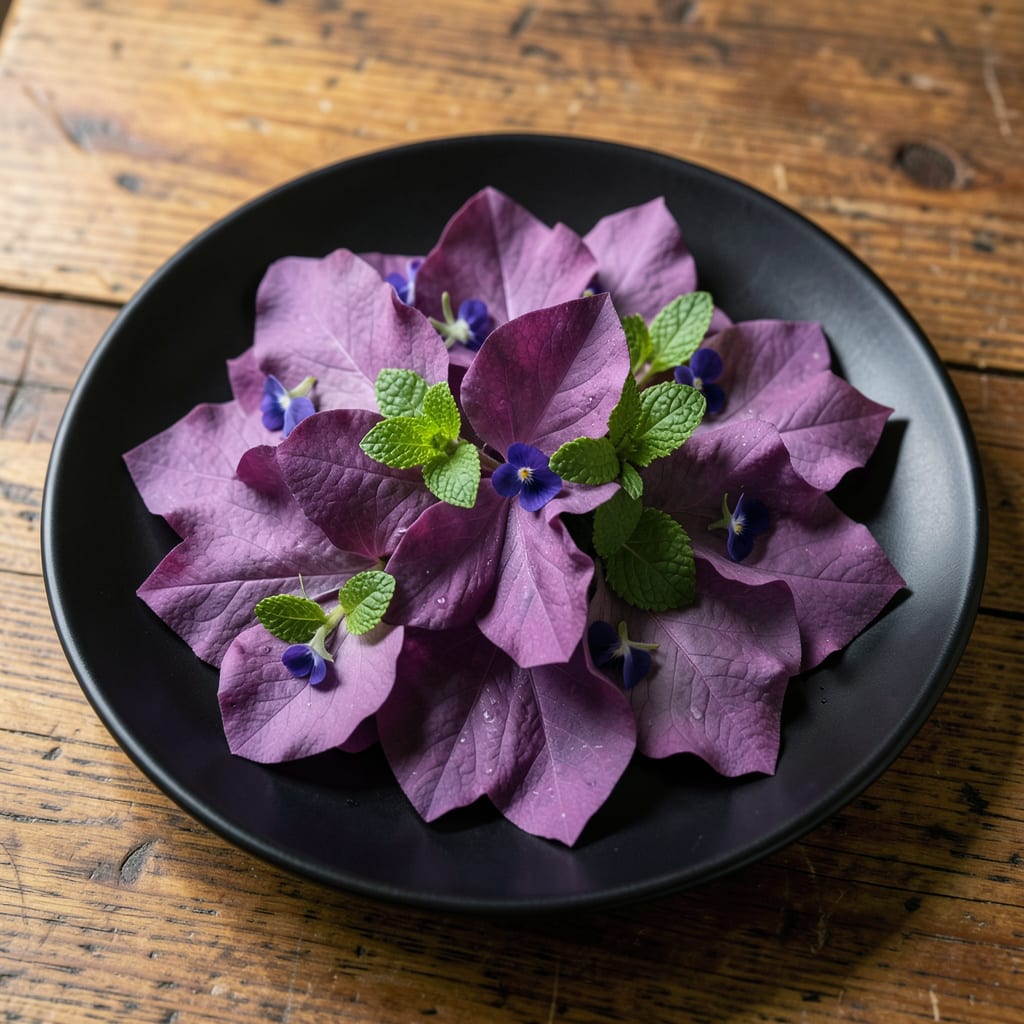
Purple leaves on your crape myrtle aren’t just pretty—they’re a warning sign. I first noticed this on my own trees last summer, and it turned out to be a phosphorus deficiency in the soil.
Sometimes it’s not nutrients at all. Cold snaps, waterlogged roots, or even too much sun can stress the plant enough to turn leaves purple. The key is figuring out which issue you’re dealing with before it affects next year’s blooms.
With the right fix, your trees should bounce back within 2-3 weeks. I’ve seen leaves return to their normal green once the underlying problem is addressed.
Diagnosing early saves time and keeps your garden thriving. Here’s how to spot the difference between deficiency and stress.
Crape myrtles typically flaunt vibrant blooms and lush green foliage, so when their leaves turn purple, it’s a sign something’s off. Here’s a breakdown of the most common causes and the science behind them:
When soil lacks sufficient phosphorus, crape myrtles struggle to produce chlorophyll, the pigment responsible for green leaves. Instead, anthocyanins—purple pigments—accumulate as a stress response. This often happens in cold, waterlogged, or highly acidic soils (pH below 6.0), where phosphorus becomes less available to roots. A soil test can confirm the deficit, and amending with bone meal or a balanced fertilizer (e.g., 10-20-10) can restore balance.
Sudden cold snaps (below 50°F/10°C) or heatwaves (above 90°F/32°C) disrupt normal chlorophyll production. In response, crape myrtles ramp up anthocyanin production to protect their tissues from damage. Purple leaves may appear overnight after a frost or during extended drought. Mulching and consistent watering help stabilize soil temperature and moisture.
Soggy roots suffocate, preventing nutrient uptake—especially phosphorus. This triggers a chain reaction: chlorophyll breaks down, and anthocyanins take over. Check for yellowing leaves with purple veins (a classic sign of waterlogged stress). Improve drainage by amending heavy clay soil with compost or sand, and ensure pots have drainage holes.
Diseases like powdery mildew or root rot (from Phytophthora spp.) can weaken the plant, leading to discolored foliage. Purple hues may emerge as the plant diverts energy to fight the infection. Treat with fungicides (e.g., neem oil or copper-based sprays) and prune affected areas to improve airflow.
Identify the root cause quickly—early intervention often reverses the issue before permanent damage occurs.
If your crape myrtle’s leaves are turning purple, don’t panic! Here’s how to diagnose and fix the most common causes, with simple steps to restore vibrant green foliage.
Fix: Test your soil with a kit to confirm a phosphorus (P) shortage—purple leaves often signal this. Apply a balanced fertilizer (like 10-10-10 or 12-4-8) or a phosphorus-rich option (e.g., bone meal). Follow package instructions for dosage, and water deeply afterward to help roots absorb nutrients.
Prevention: Fertilize in early spring before new growth starts. Avoid over-fertilizing with nitrogen, which can worsen phosphorus uptake issues. Pro tip 💡: Mix compost into the soil annually to improve nutrient availability.
Fix: Purple leaves in cool weather (below 50°F) mean your crape myrtle is chilled. Move potted plants indoors or to a sheltered spot. For in-ground trees, mulch heavily (2–3 inches) around the base to insulate roots. Use frost cloth if a cold snap is forecasted.
Prevention: Plant crape myrtles in USDA zones 7–9 where they thrive. In colder areas, choose cold-hardy varieties like ‘Natchez’ or ‘Muskogee.’
Fix: Too much shade can cause purple tinges. Prune nearby trees or relocate potted plants to a sunnier spot (6+ hours of direct light daily). If transplanting, do it in early spring or fall to reduce stress.
Prevention: Site new crape myrtles in full sun from the start. Thin out dense canopies in your yard to improve light penetration. Pro tip ✨: Rotate container plants occasionally for even sun exposure.
Fix: Overwatering or drought can both trigger purple leaves. Check soil moisture 2 inches down—it should be damp but not soggy. Adjust watering to 1–1.5 inches per week (including rain), and ensure good drainage. For drought stress, water deeply at dawn to reduce evaporation.
Prevention: Use drip irrigation or soaker hoses to deliver water directly to roots. Apply mulch to retain moisture and prevent extremes.
Yes, sudden cold snaps below 50°F can trigger purple foliage as the plant produces protective pigments. This often happens overnight and reverses when temperatures rise.
Use a soil test kit to check phosphorus levels. If below 20 ppm, amend with bone meal or a 10-20-10 fertilizer. Test in spring for best results.
Soggy soil prevents phosphorus uptake, leading to purple leaves with yellow veins. Ensure pots have drainage and water only when the top 2 inches of soil are dry.
Yes, crape myrtles need 6+ hours of direct sun daily. Insufficient light reduces chlorophyll, allowing purple pigments to dominate. Prune nearby trees for better exposure.
