
Beautiful Plants For Your Interior
Beautiful Plants For Your Interior
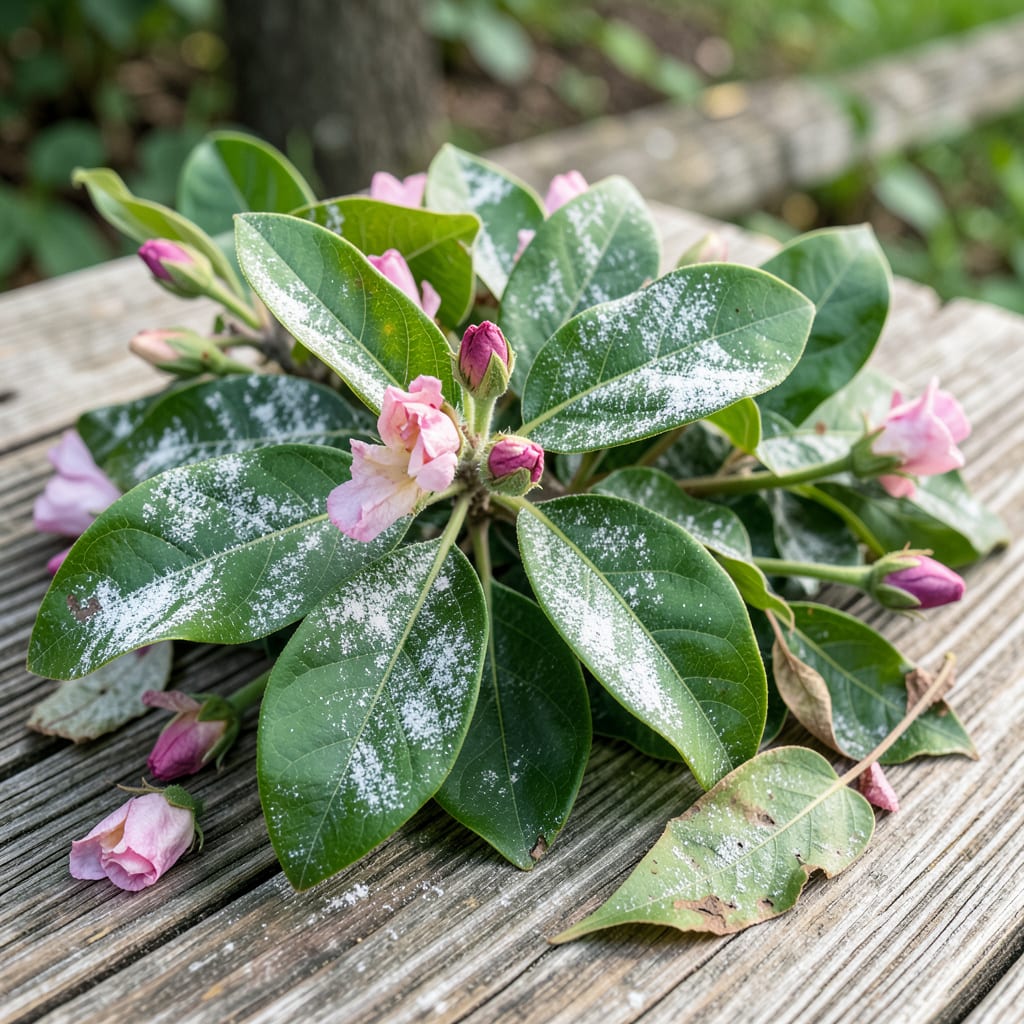
White powder on your crape myrtle leaves isn’t just ugly—it’s stealing your plant’s vigor. I’ve battled this fungus for years, and early action makes all the difference.
The truth is, powdery mildew thrives in humid, crowded conditions. I learned the hard way that good airflow and morning watering stop it before it starts. No fancy sprays needed.
Within 2-3 weeks of consistent care, new growth comes back clean and strong. The leaves regain their deep green color, and your plant stops looking dusty.
Works for all varieties, from dwarf to full-size. Here’s how to reclaim your crape myrtle’s health.
Powdery mildew on crape myrtles doesn’t appear out of thin air—it thrives under specific environmental and cultural conditions. Understanding these triggers is the first step toward prevention.
The fungus Erysiphe spp., responsible for powdery mildew, spores germinate best in humid conditions (60–80% relative humidity) but without free water on leaves. Crowded plantings, dense canopies, or shaded areas restrict airflow, creating a stagnant, moisture-rich microclimate ideal for infection. Prune for openness and space plants properly to improve circulation.
Watering from above wets foliage, and while powdery mildew doesn’t require water to infect, moist leaf surfaces encourage spore germination and spread. Switch to drip irrigation or soaker hoses to keep leaves dry, especially in the evening when dew forms naturally.
Excess nitrogen promotes lush, soft growth that’s more susceptible to fungal attack. Meanwhile, low phosphorus or potassium weakens plant defenses. A balanced fertilizer (e.g., 10-10-10) and soil testing can help maintain vigor without overstimulating vulnerable new shoots.
Crape myrtles in deep shade produce weaker growth with thinner cuticles, making them less resistant to fungal penetration. Full sun (6+ hours daily) not only strengthens the plant but also inhibits mildew development by reducing humidity and drying leaves faster.
Some crape myrtle varieties, like ‘Natchez’ or ‘Sarah’s Favorite,’ are genetically more prone to powdery mildew. If mildew is a recurring issue, consider replacing with resistant cultivars such as ‘Tonto,’ ‘Sioux,’ or ‘Acoma.’
Powdery mildew on crape myrtles is manageable with the right approach. Below are targeted solutions based on common causes, along with prevention tips to keep your plants healthy.
Trim overcrowded branches to improve airflow around the plant. Space crape myrtles at least 6–8 feet apart to reduce humidity buildup, which fosters mildew. Prevention tip: Thin out dense foliage early in the growing season to discourage future outbreaks.
Avoid overhead watering, which wets the leaves and promotes fungal growth. Instead, water at the base of the plant in the morning so foliage dries quickly. Prevention tip: Use drip irrigation or soaker hoses to keep leaves dry.
Crape myrtles thrive in full sun (6+ hours daily). If shade is unavoidable, prune nearby trees or move potted plants to sunnier spots. Prevention tip: Choose mildew-resistant varieties like ‘Natchez’ or ‘Tonto’ for shadier areas.
For active infections, spray leaves with neem oil or a baking soda solution (1 tbsp baking soda + 1 tsp dish soap + 1 gallon water). Reapply every 7–10 days until mildew clears. Prevention tip: Clean up fallen leaves to remove fungal spores.
💡 Pro Tip: Apply sulfur-based fungicides before symptoms appear in humid climates for extra protection.
It appears as white, powdery spots on the upper leaf surfaces. Over time, these patches spread and can cover entire leaves, making them look dusty or grayish.
Yes, powdery mildew spores are airborne and can infect nearby susceptible plants. Isolate affected plants and remove fallen leaves to prevent spread.
Rarely. While it weakens the plant, it’s usually not fatal. However, severe cases can stunt growth and reduce flowering. Treat early for best results.
Reapply natural fungicides like neem oil every 7-10 days until the issue resolves. For prevention, treat every 2-3 weeks in humid seasons.
