
Beautiful Plants For Your Interior
Beautiful Plants For Your Interior
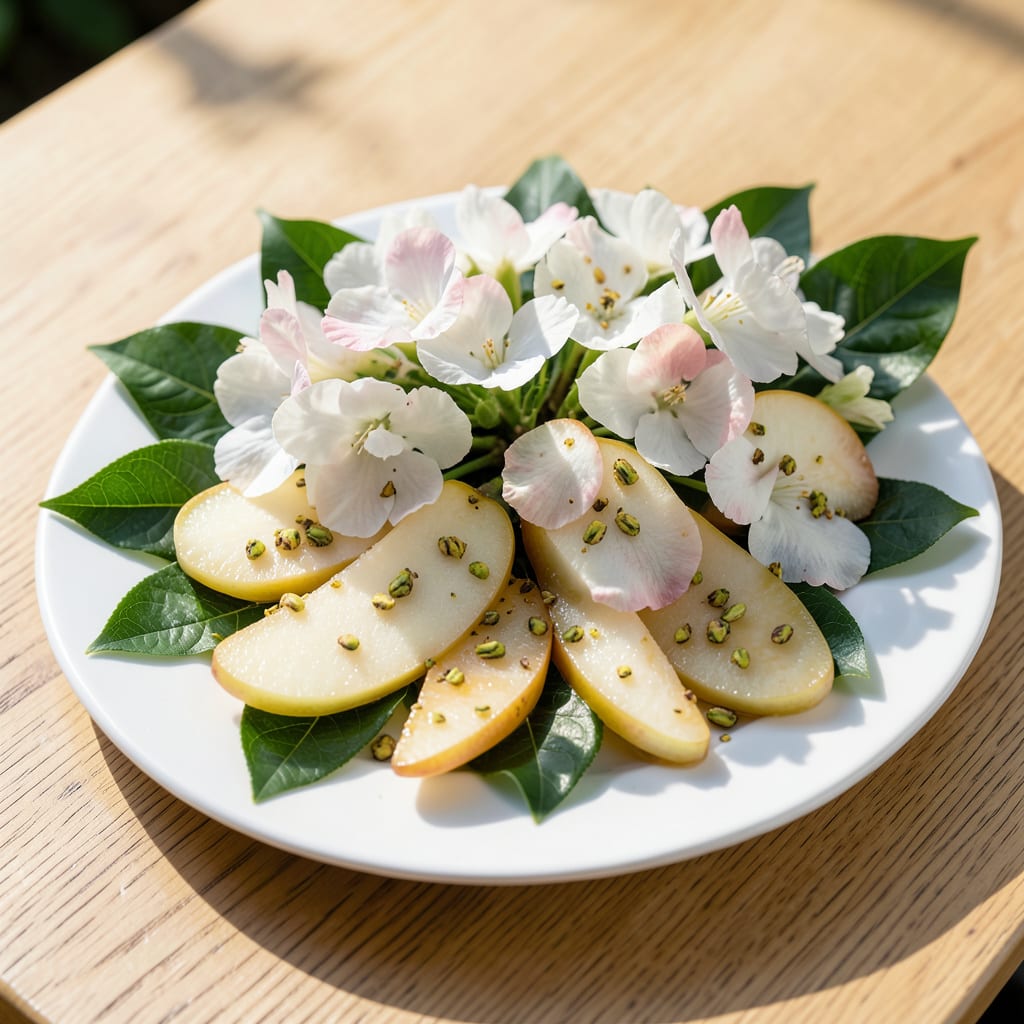
That first summer I planted Natchez White, I couldn’t believe the transformation. Pure white blooms exploded across the shrub like nature’s own fireworks, and the drought tolerance meant I barely had to lift a finger during the hottest months.
This variety thrives in full sun with minimal water once established. The smooth, peeling bark adds year-round interest, and the long bloom season keeps your garden looking fresh from early summer through fall.
📚 In This Guide
Here’s the method I use to ensure vibrant blooms and healthy growth season after season.
Select a spot with full sun exposure—this variety thrives on at least 6-8 hours of direct sunlight daily. Without enough light, you’ll get fewer blooms and weaker growth. I always check the area throughout the day to confirm it’s not shaded by buildings or trees.
The soil should drain well to prevent root rot. If your soil is heavy clay, amend it with compost before planting. Natchez White tolerates a range of soil types but performs best in slightly acidic to neutral pH. Avoid low-lying spots where water pools after rain.
Dig a hole that’s twice as wide as the root ball but no deeper. Planting too deep can suffocate the roots and stunt growth. Gently remove the plant from its container and loosen the roots if they’re tightly bound—this encourages outward growth into the surrounding soil.
Space multiple Natchez White crape myrtles 10-15 feet apart to allow for their mature spread. Backfill the hole with native soil, tampering lightly to remove air pockets. Water deeply after planting to help the soil settle around the roots.
Water newly planted crape myrtles 2-3 times per week for the first month, then taper off to once a week once established. The goal is to keep the soil consistently moist but not soggy. I check by sticking my finger 2 inches into the soil—if it feels dry, it’s time to water.
Once mature, Natchez White is remarkably drought-tolerant. During extended dry spells, a deep watering every 10-14 days is usually sufficient. Always water at the base to avoid wetting the foliage, which can lead to fungal issues.
Prune in late winter or early spring before new growth starts. Remove any dead, diseased, or crossing branches first. Natchez White blooms on new wood, so don’t hesitate to shape the plant as needed. I aim to open up the center to improve air circulation.
Avoid heavy pruning unless necessary—this variety has a naturally attractive form. If you want to encourage more blooms, trim back the tips of branches by 1-2 feet. Just don’t go overboard; over-pruning can delay flowering and reduce the plant’s natural beauty.
Apply a balanced, slow-release fertilizer in early spring, just as new growth appears. I use a 10-10-10 or 12-4-8 formula, following the package instructions for dosage. Scatter the fertilizer around the base of the plant, then water it in thoroughly to help it reach the roots.
Avoid fertilizing after mid-summer, as this can encourage late-season growth that may not harden off before winter. Natchez White is relatively low-maintenance, but a little fertilizer goes a long way in promoting those stunning white blooms.
Small adjustments in planting and care make a huge difference for this beautiful variety.
Sunlight Priority: The 6-8 hours of direct sunlight daily in Step 1 isn’t just a suggestion—it’s essential. Without full sun, you’ll notice significantly fewer blooms and weaker overall growth. I learned this the hard way when I planted one in partial shade and got mostly leaves.
Planting Depth: In Step 2, planting too deep is a common mistake that can suffocate the roots. Stick to the rule of making the hole twice as wide as the root ball but no deeper. This gives roots room to spread while preventing waterlogging at the base.
Watering Wisdom: For the first month’s 2-3 times per week watering schedule in Step 3, consistency is key. The finger test—checking 2 inches down for dryness—works perfectly. Once established, the 10-14 day drought tolerance is remarkable, but deep watering when you do water encourages stronger root systems.
Pruning Timing: Step 4’s late winter or early spring pruning window is ideal because Natchez White blooms on new wood. Pruning at this time gives you maximum control over shape while ensuring you don’t accidentally cut off potential blooms.
Natchez White crape myrtles grow at a moderate rate, typically adding 1–2 feet per year. With proper care, they can reach their mature height of 20–30 feet in about 10–15 years.
The ideal planting time is in late fall or early spring, when the weather is cool. This allows the roots to establish before extreme heat or cold sets in.
For similar white blooms, consider ‘Acoma’ or ‘Sarah’s Favorite.’ If you prefer different colors, ‘Muskogee’ (lavender) or ‘Tonto’ (fuchsia) are great options.
Lack of blooms can be due to excessive shade, over-fertilization (especially with high-nitrogen products), or pruning at the wrong time. Ensure it gets full sun and prune in late winter.
