
Beautiful Plants For Your Interior
Beautiful Plants For Your Interior
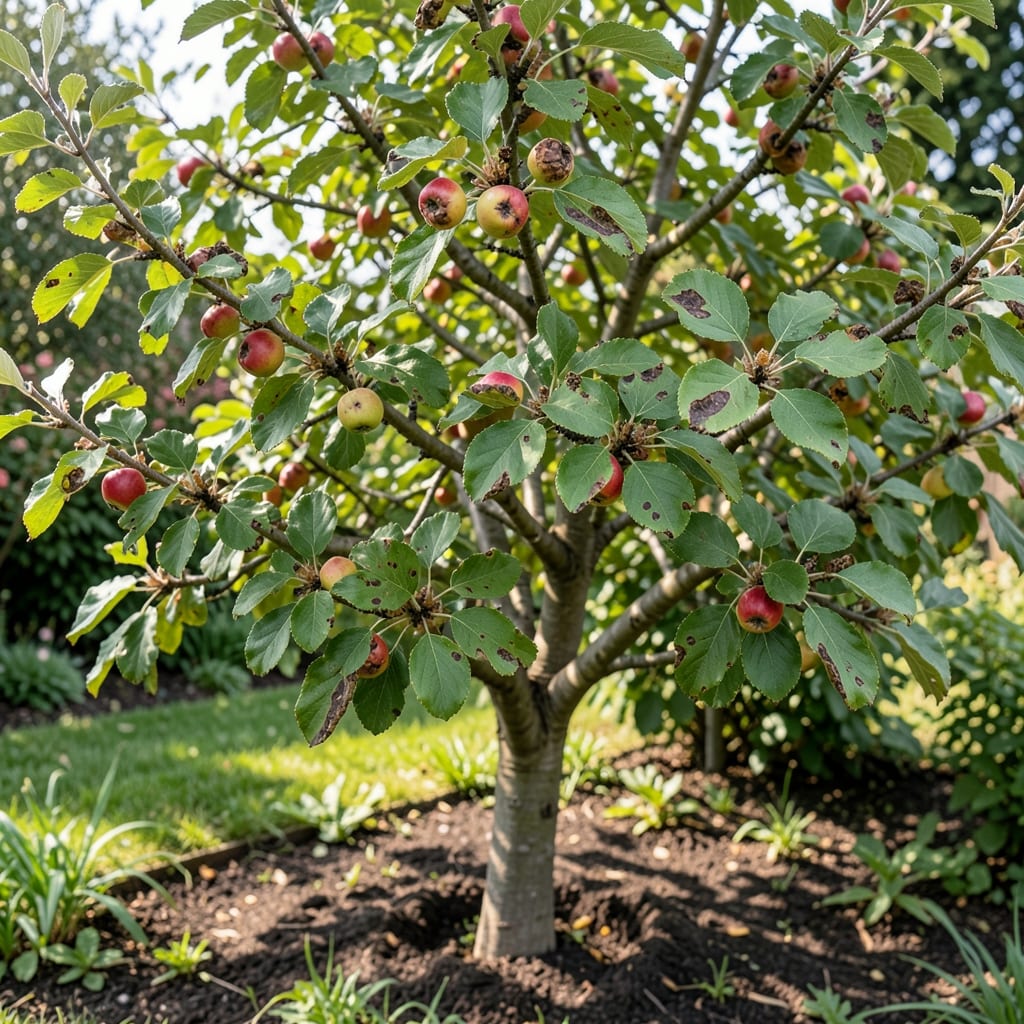
That first brown spot on your crabapple leaves always hits hard. I’ve stood under my own tree, staring at mottled foliage, wondering if it’s just stress or something worse.
Turns out, most issues leave distinct visual clues—scab’s dark lesions, cedar-quince rust’s bright orange galls, or powdery mildew’s white coating. Spot the pattern early, and you can often stop the spread before it ruins the season.
With the right pictures and a little practice, you’ll identify problems in minutes instead of weeks. The solutions range from pruning to sprays, but timing is everything.
Works for young saplings and mature trees alike. Here’s how to read the signs.
Understanding the root causes of crabapple diseases helps you prevent and manage them effectively. Below are the primary triggers, broken down by category.
Crabapples thrive in specific conditions, and deviations can weaken them, making them susceptible to disease. Drought stress reduces a tree’s ability to fend off pathogens, while poor drainage creates a breeding ground for fungal infections like apple scab (Venturia inaequalis). Overly wet or humid weather also encourages cedar-quince rust (Gymnosporangium clavipes), which thrives in moist environments. To mitigate these risks, ensure consistent watering and improve soil drainage with organic amendments.
Many crabapple diseases stem from fungal spores and bacterial cells that exploit vulnerabilities in the tree. Fire blight (Erwinia amylovora), for instance, is a highly contagious bacterial disease that spreads through open wounds or blossoms during wet, warm springs. Fungal diseases like powdery mildew (Podosphaera leucotricha) thrive in crowded canopies with poor air circulation. Prune infected branches promptly and apply fungicidal sprays before symptoms appear to break the infection cycle.
Insects such as aphids, mites, and apple maggots don’t just damage crabapples directly—they also create entry points for diseases. Sap-sucking pests weaken the tree, while boring insects introduce fungi and bacteria into the vascular system. Scale insects excrete honeydew, a sticky substance that fosters sooty mold growth. Use horticultural oils or insecticidal soaps to control pest populations and reduce secondary infections.
Some crabapple cultivars are naturally more disease-resistant than others. Varieties like ‘Prairifire’ or ‘Adams’ are bred for resistance to common ailments like fire blight and scab. If your tree is a susceptible variety, it may require more vigilant care, including regular monitoring and preventative treatments. When planting new trees, opt for resistant cultivars to minimize future issues.
Dealing with crabapple diseases doesn’t have to be overwhelming. Below are practical, step-by-step solutions for the most common issues, along with prevention tips to keep your tree thriving.
Rake and remove all fallen leaves and debris under the tree to eliminate fungal spores. Apply fungicide sprays (like sulfur or copper) in early spring before buds open and repeat every 7–10 days during wet weather. Prevention tip: 💡 Plant resistant varieties like ‘Prairifire’ or ‘Sugar Tyme’ to avoid future outbreaks.
Remove all galls on nearby juniper hosts (cedar trees) to break the disease cycle. Treat crabapples with fungicides (e.g., myclobutanil) at bud break and after petal fall. Prevention tip: ✨ Space trees far from junipers and ensure good air circulation to reduce humidity.
Cut infected branches 8–12 inches below visible damage using sterilized pruners (dip in bleach between cuts). Disinfect tools after use to avoid spreading bacteria. Prevention tip: 🎯 Avoid heavy nitrogen fertilization, which promotes susceptible new growth.
Prune dense branches to increase sunlight and airflow. Apply neem oil or sulfur-based sprays at the first sign of white powdery spots. Prevention tip: 🌡️ Water at the base of the tree (not overhead) to keep foliage dry.
Blast aphids off with a strong water spray or introduce beneficial insects like ladybugs. For severe infestations, use insecticidal soap. Prevention tip: 🔥 Encourage biodiversity in your garden to attract natural predators.
Consistent care and early action are key. Monitor your crabapple regularly, and act at the first sign of trouble to keep it healthy and vibrant!
Check for dark spots on leaves, orange galls on branches, or white powdery coatings. These often appear before serious damage occurs. Early detection makes treatment much easier.
Yes, but act fast! Prune 8–12 inches below infected areas and sterilize tools between cuts. Remove all affected material to prevent spread.
Cultivars like ‘Prairifire’ or ‘Adams’ resist common diseases better than others. When planting new trees, choose these for easier maintenance.
Apply in early spring before buds open, then every 7–10 days during wet weather. Consistency is key to breaking the infection cycle.