
Beautiful Plants For Your Interior
Beautiful Plants For Your Interior
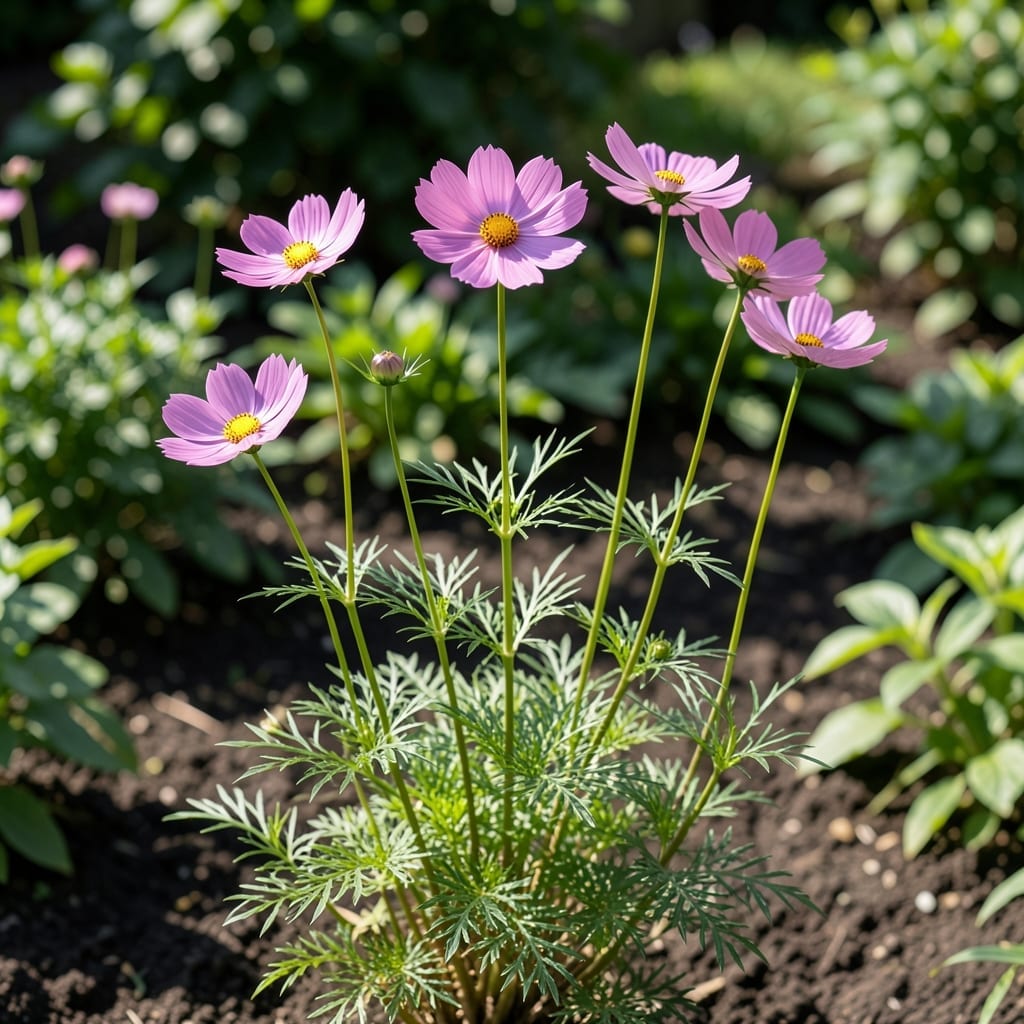
There’s something magical about watching Cosmos 🌼 burst into color, transforming your garden into a vibrant paradise. These resilient flowers are a gardener’s dream, requiring minimal effort for maximum impact.
I’ve found that timing is everything when it comes to their bloom. With the right knowledge, you can enjoy their beauty from early summer all the way through fall.
Discover the secrets to maximizing their blooming season and learn how to keep your garden flourishing longer than you thought possible.
If you’re growing cosmos flowers, you’ll be delighted to know they typically bloom from early summer through fall frost. In most regions, this means July to October for a stunning display.
I’ve noticed that Cosmos bipinnatus starts blooming 60-90 days after sowing, while Cosmos sulfureus may flower slightly earlier. Climate plays a big role in timing.
| Variety | Bloom Start | Bloom Duration | Climate Preference |
| Cosmos bipinnatus | July | 3-4 months | Warm climates |
| Cosmos sulfureus | June | 4-5 months | Hot, dry areas |
| Cosmos atrosanguineus | Late June | 2-3 months | Mild climates |
In cooler zones like USDA Zone 6, cosmos may start blooming later, around mid-summer. Warmer regions often see flowers 2-3 weeks earlier than average.
For early blooms, I recommend starting seeds indoors 4-6 weeks before the last frost. This gives them a head start in shorter growing seasons.
The peak bloom usually occurs in August when temperatures are highest. During this time, you’ll see the most vibrant pink, white, and purple flowers.
As fall approaches, cosmos will continue blooming until the first frost. I’ve seen them last until October in many gardens, adding color when other plants fade.
Remember that soil temperature affects germination. Cosmos prefer 70-85°F for optimal growth. In cooler springs, wait until soil warms before direct sowing.
For continuous blooms, deadhead spent flowers regularly. This encourages new blooms and extends your cosmos display by several weeks.
In my experience, well-draining soil and full sun (6+ hours) produce the longest bloom periods. These simple conditions help cosmos thrive with minimal effort.
☀️To keep your cosmos flowers blooming longer, I always start with proper deadheading. Removing spent blooms prevents seed formation and redirects energy to new flower production.
I’ve found that regular watering at the base (not overhead) helps maintain consistent blooms. Aim for 1 inch per week, adjusting for rain. Drought-tolerant cosmos still need moisture during dry spells.
For maximum bloom time, I recommend pinching back young plants when they’re 12-18 inches tall. This promotes bushier growth and more flowering stems.
Soil conditions matter too. Cosmos thrive in well-draining soil but aren’t picky about fertility. In fact, too-rich soil can produce more foliage than flowers.
I’ve had great success with companion planting. Pair cosmos with marigolds or zinnias to create a pollinator-friendly display that blooms in succession.
In hot climates, afternoon shade can help prevent heat stress and prolong blooms. Morning sun is most important for these sun-loving plants.
Finally, avoid over-fertilizing which can lead to leafy growth at the expense of flowers. A light feeding in early summer is all they typically need.
🌼