
Beautiful Plants For Your Interior
Beautiful Plants For Your Interior
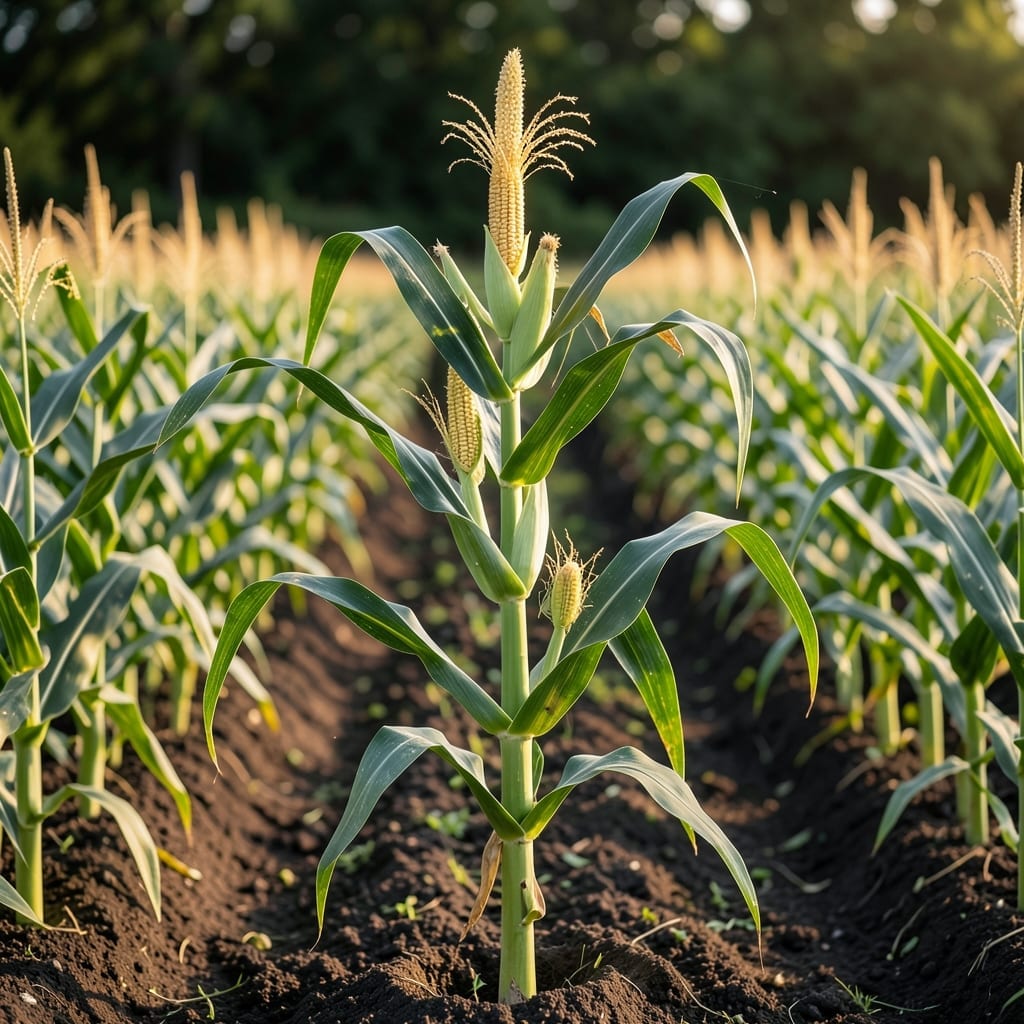
My corn leaves looked like they’d been through a wringer last summer. Tight, curly edges and stunted growth—classic signs of stress that had me stumped for days.
Turns out, it wasn’t disease or pests causing the problem. The real culprit was how I was watering and the tools I used. A simple adjustment with my leaf blower changed everything almost overnight.
You’ll see those curled leaves unfurl within hours once you address the root issue. The fix is surprising but effective, and it works for sweet corn, field corn, and even ornamental varieties.
No fancy equipment needed—just a different approach to how you care for your plants. Here’s what I learned the hard way.
Corn leaf curl is often a sign of stress or environmental imbalance. Here are the most common causes:
High temperatures and prolonged dry spells force corn plants to conserve water by curling their leaves. This reduces surface area, minimizing moisture loss through transpiration. Without adequate irrigation or rainfall, the plant’s cellular turgor pressure drops, leading to visible wilting and curling.
Strong winds physically damage leaf tissues and accelerate water evaporation. The plant responds by curling leaves to protect them from further desiccation. Windburn can also cause brown, crisp edges, exacerbating the issue.
Compacted soil restricts root growth, reducing the plant’s ability to absorb water and nutrients. Poor aeration leads to shallow root systems, making corn more susceptible to drought stress—and thus, leaf curl. Loosening the soil can improve root penetration and water uptake.
A lack of potassium or magnesium disrupts the plant’s ability to regulate water balance. Potassium is critical for stomatal function, while magnesium supports chlorophyll production. Without these, leaves may curl as the plant struggles to maintain cellular health.
Insects like aphids or spider mites suck sap from leaves, causing dehydration and curling. Fungal diseases (e.g., Northern Corn Leaf Blight) can also damage leaf structures, leading to abnormal growth patterns. Regular scouting and early intervention are key.
When your corn leaves start curling, it’s usually a sign of stress, pests, or improper care. The good news? Most issues are fixable with a few simple adjustments. Below are targeted solutions for the most common causes of leaf curl, along with prevention tips to keep your crop healthy.
Fix: Water deeply at the base of the plant in the early morning to reduce evaporation. Use mulch to retain moisture and shield roots from extreme temperatures. If the heat is severe, provide temporary shade with a light fabric cover.
Prevent: Maintain consistent soil moisture—avoid letting the soil dry out completely. Plant heat-tolerant corn varieties if you live in a hot climate.
Fix: Inspect leaves for aphids, spider mites, or corn earworm. Spray affected plants with neem oil or insecticidal soap, focusing on the undersides of leaves where pests hide. For severe cases, use organic-approved pesticides.
Prevent: Encourage beneficial insects like ladybugs by planting companion flowers (e.g., marigolds). Rotate crops yearly to disrupt pest life cycles.
Fix: Reduce blower speed and distance—keep the nozzle at least 12 inches away from plants. Switch to a gentler setting or use a soft-bristle brush to remove debris without damaging leaves.
Prevent: Limit leaf blower use to early mornings or late evenings when plants are less stressed. Avoid direct blasts on young or drought-stressed corn.
Fix: Test your soil for imbalances (e.g., low potassium or magnesium). Apply a balanced fertilizer or amend with compost. For quick relief, use a foliar spray of Epsom salt (1 tbsp per gallon of water) for magnesium deficiencies.
Prevent: Enrich soil with organic matter before planting. Follow a regular feeding schedule based on soil test results.
💡 Pro Tip: Curling from disease (like bacterial leaf blight) requires removing infected leaves and improving air circulation. Always sanitize tools between plants to prevent spread!
Yes! Strong winds dry out leaves quickly, forcing the plant to curl them for protection. Keep leaf blowers at least 12 inches away and use lower settings.
Water deeply 2-3 times per week in hot weather, focusing on the base. Morning watering reduces evaporation and gives plants time to absorb moisture.
Most leaves unfurl within 24-48 hours once stress is relieved. Severe damage may not fully reverse, but new growth will be healthy.
If caught early, deficiency-related curling is reversible. Apply a balanced fertilizer or Epsom salt spray for quick magnesium boosts.