
Beautiful Plants For Your Interior
Beautiful Plants For Your Interior
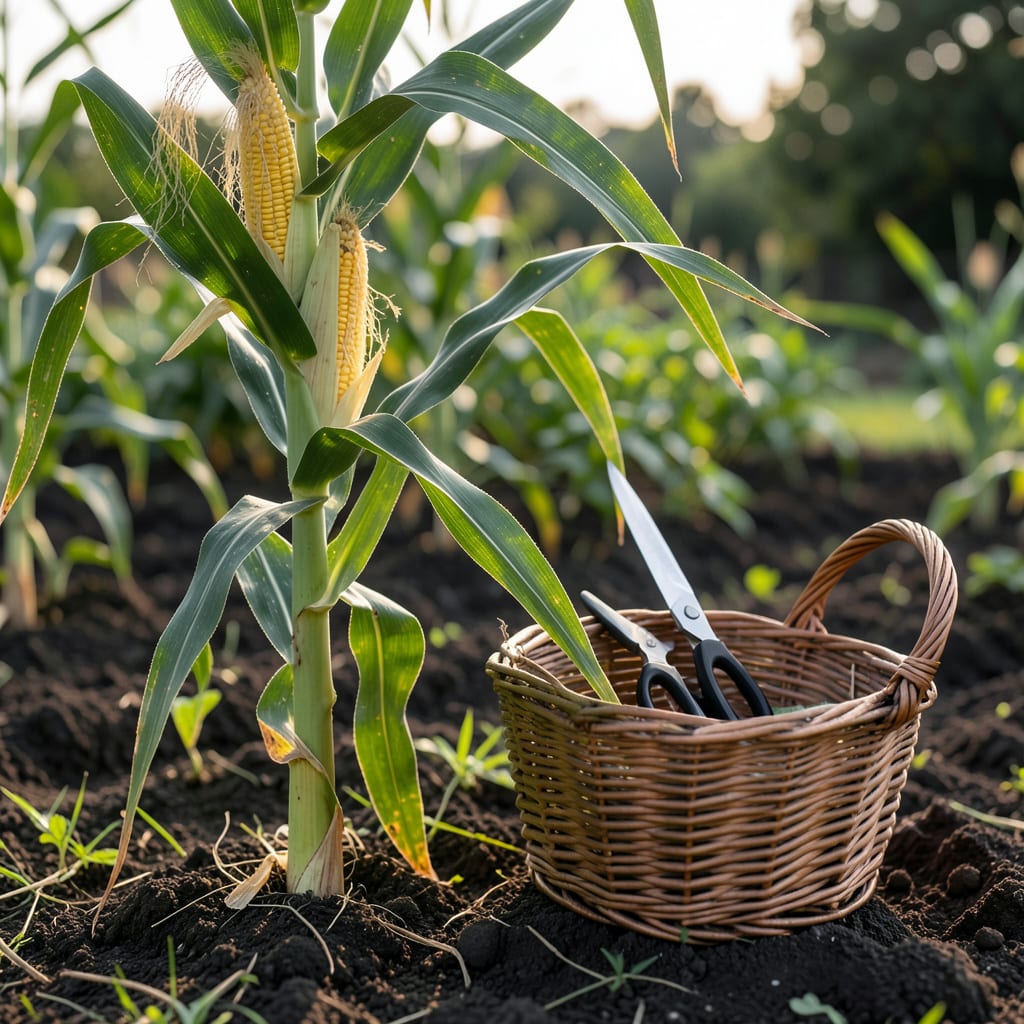
Watching your 🌽 Corn grow from a tiny seed to a towering stalk is incredibly rewarding. Few things match the satisfaction of knowing you’ve timed it perfectly.
From planting in spring to that first juicy bite, understanding the timeline ensures you pick at peak sweetness. I’ll show you how to get it right every time.


Growing corn from seed is a rewarding journey that follows a predictable growth timeline. From the moment you plant those first seeds, your corn will progress through distinct stages. Each phase is critical for reaching that perfect harvest time.
Typically, sweet corn varieties take 60 to 90 days to mature, though this can vary based on the specific type and growing conditions. Understanding these stages helps you anticipate when to expect those golden ears.
| Stage | Duration | Key Development |
|---|---|---|
| Germination | 5-12 days | Seeds sprout, roots form |
| Vegetative Growth | 30-40 days | Stalks and leaves develop |
| Tasseling & Silking | 50-60 days | Pollen forms, silks appear |
| Maturity | 60-90 days | Kernels fill out, ready to harvest |
During germination, I always ensure the soil temperature stays above 60°F for best results. Cold soil can delay sprouting and weaken seedlings. A soil thermometer is an invaluable tool for timing your planting just right.
The vegetative stage is where your corn really takes off. You’ll see rapid growth as stalks shoot upward. At this point, consistent watering is key—about 1 to 1.5 inches per week keeps plants healthy and on track.
When tassels and silks appear, it’s a sign your corn is entering its reproductive phase. This is a critical period for pollination, so I avoid disturbing the plants. Gentle breezes or hand-pollination can help ensure every kernel gets fertilized.
Finally, the maturity stage brings the harvest close. Most sweet corn varieties are ready in 80 days, but I always check the days-to-maturity on the seed packet. Early varieties may be ready in 60 days, while late types can take up to 100 days.
Environmental factors like sunlight and moisture levels can speed up or slow down this timeline. Full sun and well-draining soil help corn reach maturity faster. If your area has cooler temperatures, expect a slightly longer wait.
I’ve found that mulching around the base of plants helps retain moisture and regulate soil temperature. This simple step can make a noticeable difference in your corn harvest time from seed.
By tracking these stages and adjusting care as needed, you’ll be well-prepared to harvest your corn at its peak. The satisfaction of picking that first ear makes all the effort worthwhile 🌽
Timing your corn harvest perfectly ensures the best flavor and texture. I always look for visual cues that indicate readiness rather than relying solely on the calendar. The most reliable signs appear on the ears and silks.
The first thing I check is the silk color. When it turns brown and dry, it’s a good initial indicator that the ears might be ready. However, I always confirm with additional tests to be certain.
Another reliable test is the kernel check. I gently peel back the husk and pierce a kernel with my fingernail. If it releases a milky white liquid, it’s at peak sweetness. If it’s clear and watery, it needs more time.
The ear’s position also provides a clue. Mature ears often angle downward from the stalk, while immature ones stand more upright. This subtle change can help you spot ready ears from a distance.
I always refer to the days-to-maturity on my seed packet as a guideline. For early varieties, this might be 60 days, while late varieties can take up to 100 days. Environmental factors can adjust this timeline slightly.
Finally, I harvest in the morning when sugars are at their highest. Using a sharp knife or twisting the ear downward, I collect my corn and enjoy the fruits of my labor immediately for the best flavor 🌽
Even experienced gardeners can make simple mistakes that push back their corn harvest time from seed. I’ve learned the hard way that small oversights can add weeks to your timeline. Let’s avoid these common pitfalls together.
One of the biggest errors is planting too early in cold soil. Corn seeds need soil temps above 60°F to germinate properly. Planting in chilly conditions can stall growth or even cause seeds to rot.
⚠️ Warning: Cold soil and overcrowding are the top corn harvest delays. Always check soil temperature and space plants 12-18 inches apart.
Overcrowding plants is another issue that delays maturity. When corn stalks compete for sunlight and nutrients, they grow slower and produce smaller ears. I recommend 12 to 18 inches between each plant for optimal growth.
Inconsistent watering can also set back your harvest. Corn needs steady moisture, especially during tasseling and ear formation. Too little water stresses the plants, while too much can drown roots. Aim for 1 to 1.5 inches per week.
Finally, ignoring pests or diseases can derail your timeline. Watch for signs like chewed leaves or yellowing stalks, which can indicate problems. Early intervention with organic treatments keeps your corn on track for a timely harvest.
By avoiding these mistakes, you’ll help ensure your corn reaches maturity on schedule. A little attention to detail makes all the difference in your harvest success 🌽
Corn typically sprouts in 5 to 12 days when soil temperature stays above 60°F. Colder soil slows germination, so use a soil thermometer to confirm conditions are right.
Only if kernels release milky liquid when pierced. Early harvest can yield watery, less sweet corn. Always check silk color and ear plumpness first.
Cooler temps, poor soil, or inconsistent watering can extend the timeline. Ensure full sun and 1 to 1.5 inches of water weekly for faster growth.
Yes! Plant seeds 1 to 1.5 inches deep. Too deep slows sprouting; too shallow risks drying out. Proper depth helps maintain the 60-90 day timeline.
