
Beautiful Plants For Your Interior
Beautiful Plants For Your Interior
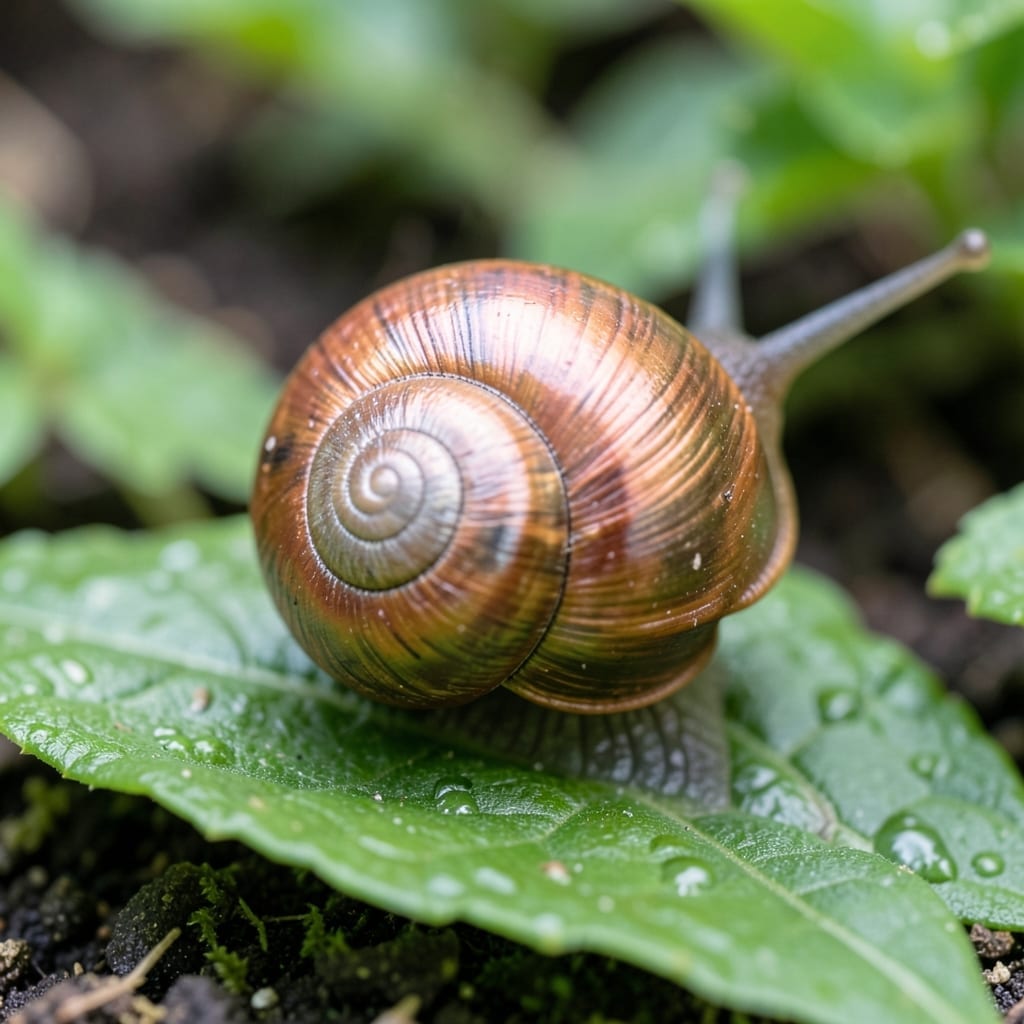
Last season, snails devoured my hostas overnight. Then I discovered copper—a game-changer for natural garden protection.
Here’s the thing—snails get a mild electric shock from copper contact. Copper tape or barriers create a defense most slugs and snails won’t cross. Simple, chemical-free, and lasts for years.
I tested it around my raised beds and container plants. The results were immediate: fewer chewed leaves, healthier plants, and no more morning devastation.
Works best with 1-2 inch wide barriers, clean edges, and consistent placement. No more losing your garden to these pests.
Snails are a common garden nuisance, but copper acts as a natural deterrent due to its unique properties. Here’s why it’s effective:
Snails produce a slimy mucus to move smoothly. When copper comes into contact with this slime, a mild electric charge is generated due to a chemical reaction. This creates an uncomfortable sensation for the snail, discouraging it from crossing the barrier. The reaction is harmless to the snail but highly effective at repelling it.
Copper ions interfere with the snail’s nervous system. When a snail touches copper, the ions disrupt its ability to coordinate movement, making it difficult for the snail to proceed. This neurological effect is temporary but sufficient to keep snails away from protected areas.
Beyond chemical reactions, copper tape or strips create a physical barrier that snails avoid. The smooth, non-porous surface of copper is difficult for snails to grip, making it hard for them to climb over. This dual action—chemical and physical—makes copper one of the most reliable deterrents.
Snails can wreak havoc on your garden, but simple, natural solutions can keep them at bay. Here’s how to tackle the problem effectively:
Create a copper tape barrier around plant pots or garden beds. Snails dislike the mild electric charge they feel when touching copper. Wrap the tape tightly, ensuring no gaps for them to slip through. For raised beds, attach copper strips along the edges.
Prevention tip: 💡 Reapply tape if it wears out over time, especially after heavy rain.
Use crushed eggshells, coffee grounds, or diatomaceous earth around plants. These abrasive textures deter snails from crawling over them. Sprinkle generously and refresh after rain.
Prevention tip: ✨ Rotate repellents to prevent snails from adapting to one method.
Handpick snails in the early morning or evening when they’re most active. Drop them in a bucket of soapy water or relocate them far from your garden. Check hiding spots like under pots or leaf litter.
Prevention tip: 🎯 Set up beer traps (shallow dishes of beer) to lure and drown snails overnight.
Plant snail-resistant varieties like rosemary, lavender, or geraniums near vulnerable plants. Their strong scents repel snails naturally.
Prevention tip: 🌡️ Keep your garden tidy—remove debris and overgrown areas where snails thrive.
Use 1-2 inch wide copper tape for effective protection. Narrower strips may not provide enough coverage, while wider ones offer extra defense against determined pests.
Yes, but heavy rain can reduce its effectiveness temporarily. The chemical reaction still occurs, but water may dilute it. Reapply or check barriers after prolonged wet weather.
No, copper barriers are completely safe for plants and soil. The reaction only affects snails and slugs, making it an eco-friendly solution.
Quality copper tape typically lasts 2-3 years outdoors. Over time, weathering may reduce its effectiveness, so inspect and replace as needed.