
Beautiful Plants For Your Interior
Beautiful Plants For Your Interior
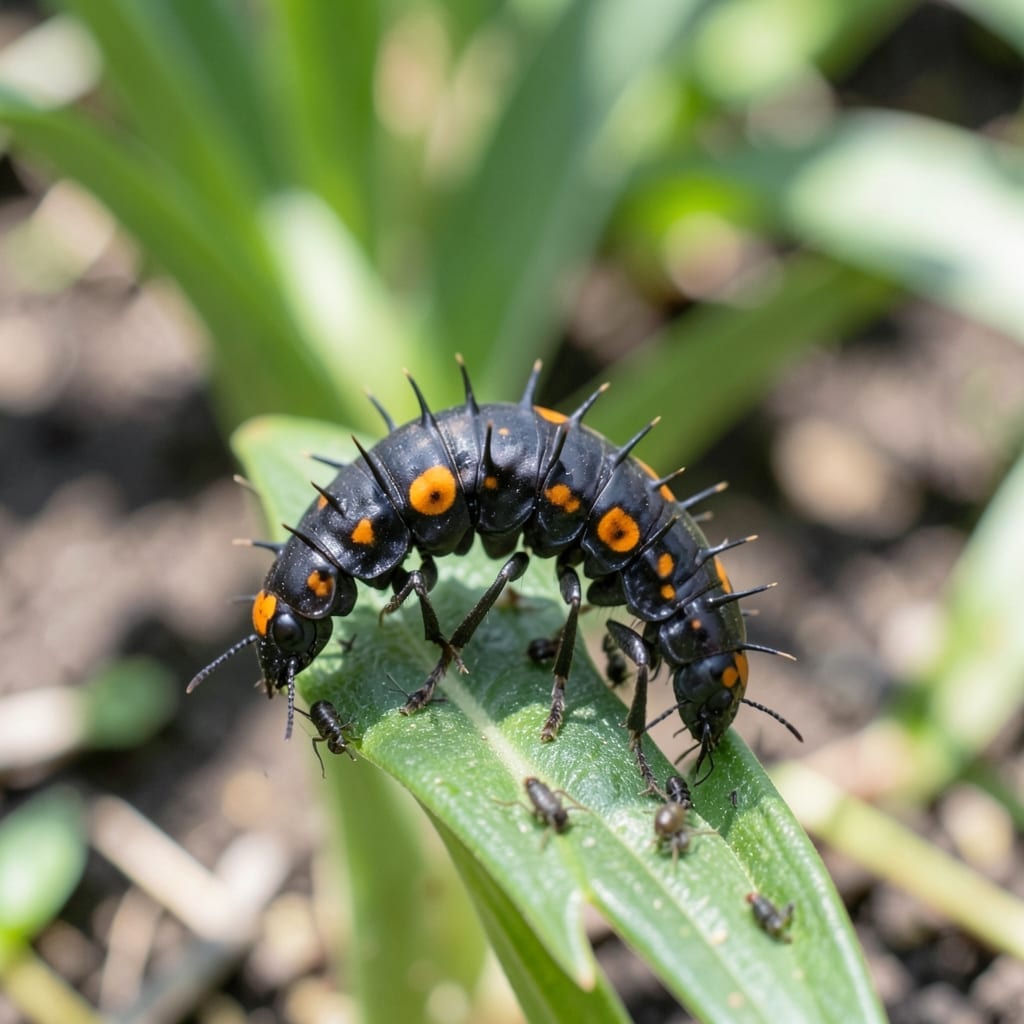
Those tiny green freeloaders on your daylilies aren’t just ugly—they’re stealing your blooms. I lost a whole season’s worth of flowers before learning how to outsmart them without harsh chemicals.
Here’s the thing—aphids multiply faster than you can count, but they’re also surprisingly fragile. A strong blast from the hose knocks them off, and they rarely climb back. That’s your first line of defense.
For stubborn cases, soapy water spray or neem oil does the trick without harming pollinators. The key is catching them early, before they curl your leaves and stunt your plants.
Once you break their life cycle, your daylilies bounce back with vibrant, healthy blooms that last all season. No fancy equipment, just consistent action.
Aphids are relentless pests, and daylilies are often their favorite target. Understanding why these tiny invaders flock to your garden helps you stop them in their tracks. Here’s what’s really going on:
Daylilies have tender, sap-rich foliage and flower buds, which are a buffet for aphids. These pests use their piercing mouthparts to tap into the phloem—your plant’s nutrient highway—sucking out sugars and amino acids. The softer the tissue, the easier it is for aphids to feed and reproduce rapidly.
Too much nitrogen in your soil? That’s like ringing the dinner bell. Nitrogen encourages lush, new growth, which is exactly what aphids crave. While healthy daylilies need nutrients, an imbalance creates the perfect breeding ground for infestations. Cut back on high-nitrogen fertilizers to avoid unintentionally rolling out the welcome mat.
Stressed plants are weak plants, and aphids exploit weakness. Both drought and overwatering can stress daylilies, reducing their natural defenses. Drought slows growth and makes tissues more vulnerable, while soggy roots create an environment where aphids thrive alongside fungal issues. Consistent, moderate watering keeps your daylilies resilient.
In a balanced ecosystem, ladybugs, lacewings, and parasitic wasps keep aphid populations in check. But if your garden lacks biodiversity—maybe due to pesticides or monoculture planting—aphids face no resistance. Introduce beneficial insects or plant companion species like marigolds to restore nature’s balance.
Tackling aphids on your daylilies doesn’t have to involve harsh chemicals. Here’s how to solve the issue naturally and keep your garden thriving. 🌿
A strong spray of water from your garden hose can dislodge aphids from daylily leaves and stems. Repeat this every few days to break their lifecycle and prevent new infestations. Prevention tip: Do this early in the day so foliage dries quickly, reducing the risk of fungal disease.
Encourage natural predators like ladybugs, lacewings, and parasitic wasps to your garden. Plant companion flowers such as dill, fennel, or yarrow to attract these helpful insects. Prevention tip: Avoid broad-spectrum pesticides, which can harm these beneficial allies.
Mix 1 teaspoon of mild liquid soap (like Castile soap) with 1 quart of water and spray it directly onto aphids. The soap disrupts their cell membranes, causing them to dehydrate. Prevention tip: Test on a small area first to ensure it doesn’t harm your daylilies, and reapply after rain.
Neem oil is a natural insecticide that disrupts aphid feeding and growth. Mix 2 tablespoons of neem oil with 1 gallon of water and a few drops of dish soap, then spray it on affected plants. Prevention tip: Use in the evening to avoid harming pollinators like bees.
For small infestations, simply wipe or pick aphids off leaves with a gloved hand or a damp cloth. Drop them into a bucket of soapy water to ensure they don’t return. Prevention tip: Inspect your daylilies regularly to catch aphids early before they multiply.
Pro tip: 💡 Rotate these methods to keep aphids from developing resistance. A little diligence goes a long way in maintaining healthy, aphid-free daylilies!
Inspect your daylilies every 2-3 days during warm weather. Aphids multiply quickly, so catching them early prevents major damage. Focus on new growth and undersides of leaves.
No, a mild 1 teaspoon soap per quart of water solution is safe. Always test on a small area first and avoid harsh detergents. Rinse leaves after 2-3 hours to prevent residue.
Apply sprays in the early morning or evening. This avoids harming pollinators and prevents leaves from burning in direct sun. Evening is ideal for neem oil applications.
Yes, but choose targeted insecticides like insecticidal soap. Avoid broad-spectrum pesticides that kill beneficial insects. Always follow label instructions carefully.