
Beautiful Plants For Your Interior
Beautiful Plants For Your Interior
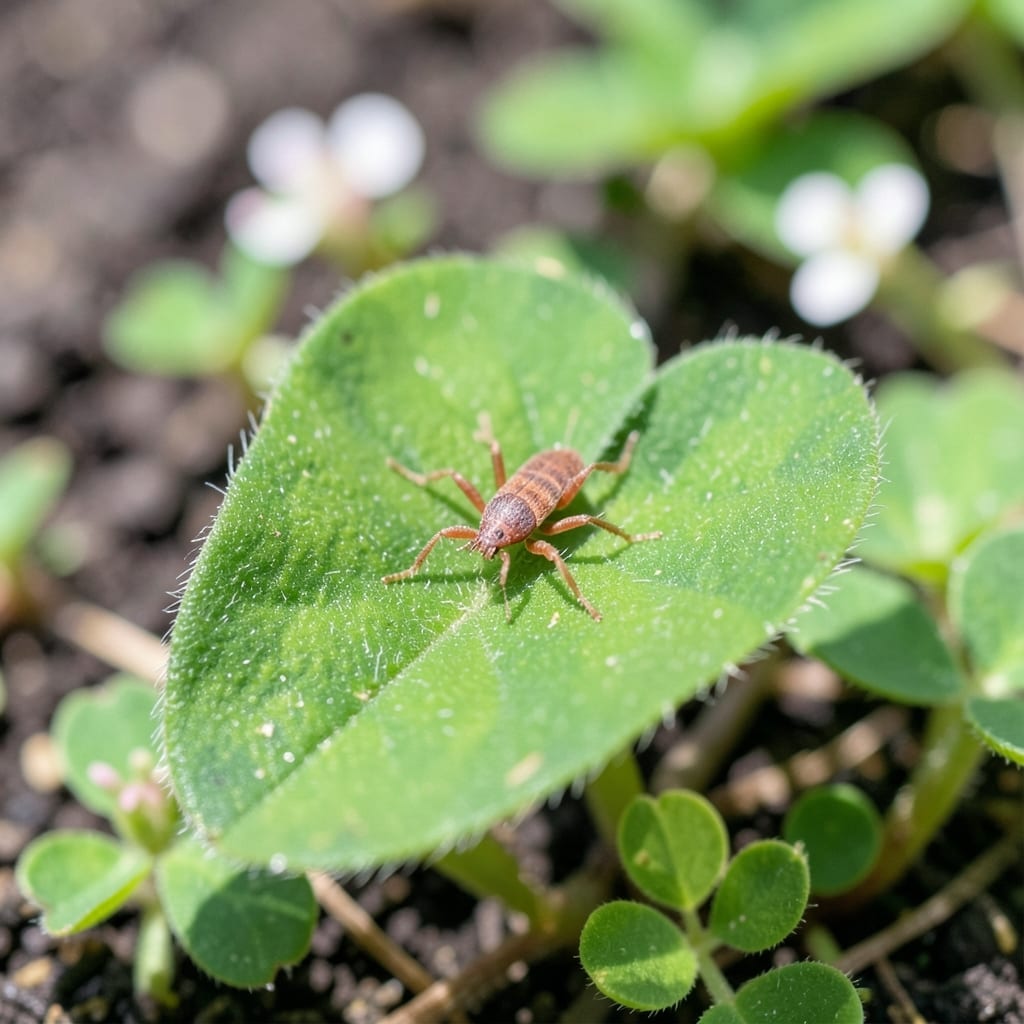
Tiny red invaders taking over your Twin Falls garden? Clover mites thrive in our dry climate, but I’ve stopped them cold without harsh chemicals.
These pests multiply fast in spring and fall, leaving red stains on walls and plants. The solution starts with understanding their lifecycle and favorite hiding spots around your home’s foundation.
Simple changes like removing ivy, sealing cracks, and using diatomaceous earth make a huge difference. My garden went from infested to mite-free in two weeks with these steps.
Prevention is easier than treatment—here’s how to keep them gone for good.
Clover mites thrive in Twin Falls due to a combination of environmental and seasonal factors. These tiny pests are drawn to specific conditions that make your garden or lawn an ideal breeding ground. Understanding these causes can help you take targeted action.
Clover mites feed on sap from plants, particularly clover, grass, and other lush greenery. Overgrown lawns or dense gardens provide ample food sources, encouraging rapid population growth. They often migrate indoors when outdoor plants dry up or are removed.
These mites are most active in cool, humid conditions. Twin Falls’ spring and fall seasons create the perfect environment for them to multiply. They seek moisture and avoid extreme heat, which is why they often invade homes during dry spells or as temperatures rise.
Clover mites enter buildings through tiny cracks in foundations, windows, or doors. Their small size (about 0.75 mm) allows them to slip through gaps as narrow as a credit card. Once inside, they congregate near windows, curtains, or upholstery, feeding on mold or decaying plant matter.
In undisturbed outdoor spaces, natural predators like spiders, beetles, or other mites help control clover mite populations. However, in well-maintained lawns or urban areas, these predators may be absent, allowing clover mites to proliferate unchecked.
Clover mites can be a nuisance in Twin Falls gardens, but with the right approach, you can reclaim your outdoor space. Below are targeted solutions for common causes, paired with prevention tips to keep these pests at bay.
Clover mites thrive in dense, overgrown areas. Regularly trim grass, weeds, and ground covers to reduce their hiding spots. Focus on the perimeter of your lawn, garden beds, and near foundations. Prevention tip: 💡 Keep a 2-foot bare soil or gravel barrier around your home’s foundation to discourage mites from migrating indoors.
These pests love damp environments. Fix leaky spigots, redirect downspouts, and ensure proper grading to prevent water pooling. Use mulch sparingly, as thick layers retain moisture. Prevention tip: 🌡️ Water your lawn in the early morning to allow surfaces to dry by evening, making the area less inviting.
Clover mites can sneak into homes through tiny cracks. Inspect windows, doors, and foundation vents, sealing gaps with caulk or weatherstripping. Pay special attention to south-facing walls, which are sun-warmed and attract mites. Prevention tip: ✨ Install fine-mesh screens on vents and windows to block entry without reducing airflow.
Ladybugs, lacewings, and ground beetles feed on clover mites. Plant pollinator-friendly flowers like marigolds or alyssum to attract these beneficial insects. Avoid broad-spectrum pesticides, which can harm these natural allies. Prevention tip: 🎯 Leave some leaf litter in garden beds to provide habitat for predator insects.
For severe infestations, consider insecticidal soaps or horticultural oils, but always spot-test on plants first. Consistency is key—combine these solutions with regular maintenance to keep your Twin Falls garden mite-free!
Inspect your garden every 2 weeks during spring and fall. Look near foundations, under mulch, and on south-facing walls where they gather.
Yes, food-grade diatomaceous earth works by dehydrating them. Apply a thin layer around entry points and garden beds, reapplying after rain or watering.
A 1:1 water-vinegar spray can deter mites from surfaces. It won’t kill them but makes areas less inviting. Always test on plants first to avoid damage.
When crushed, clover mites release a red pigment from their bodies. These stains are harmless but unsightly. Use soap and water to clean affected areas promptly.