
Beautiful Plants For Your Interior
Beautiful Plants For Your Interior
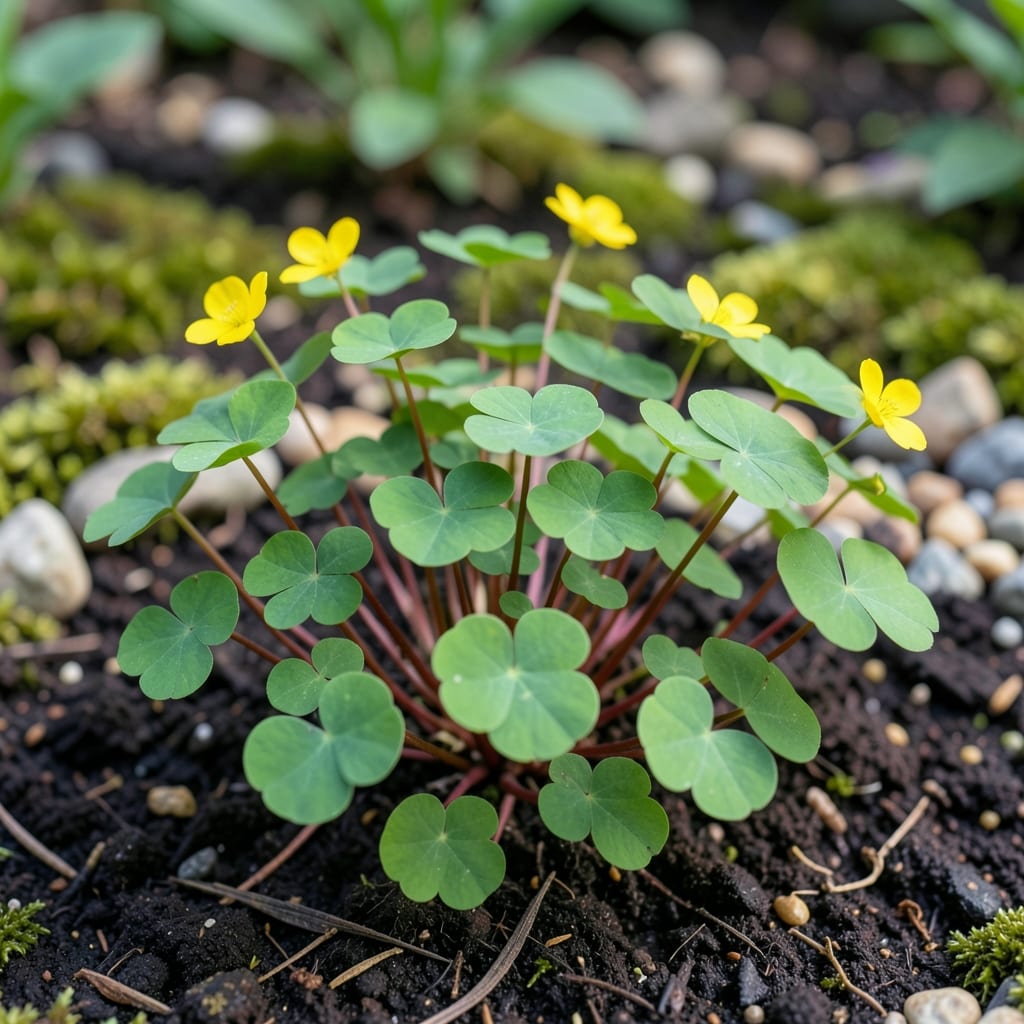
Those three-leaf clusters popping up everywhere aren’t always what they seem. I’ve spent countless hours distinguishing true clover from look-alikes that cause more problems than they solve.
Oxalis, wood sorrel, and black medic all mimic clover’s signature leaf pattern. The difference matters—some spread aggressively, others host pests, and a few even poison livestock. Here’s the thing—most people don’t notice until it’s too late.
You’ll learn to spot the subtle variations in leaf shape, stem growth, and flower structure. The key is in the details: how the leaves fold at night, the stem’s hairiness, and whether the roots run deep or shallow.
Once identified, the right approach can turn a potential headache into a manageable part of your landscape. No chemicals required.
Several biological and environmental factors can lead to the development of clover-like leaves in plants. Below are the most common causes, explained clearly:
Some plants naturally develop clover-like leaves due to genetic mutations. These mutations alter leaf morphology, causing lobes or segmented patterns resembling clover. This is common in species like Oxalis or certain Trifolium varieties, where the trait is inherited.
Stressors like drought, nutrient deficiencies, or extreme temperatures can trigger abnormal leaf growth. Plants may adapt by producing smaller, segmented leaves to conserve resources, mimicking a clover-like appearance.
Pathogens such as Pseudomonas syringae or Powdery Mildew can distort leaf structure. Infected plants may develop irregular, lobed leaves as a response to cellular damage or disrupted growth hormones.
Insects like leaf miners or aphids feed on plant tissues, causing uneven growth. The resulting damage can create a clover-like pattern as the plant attempts to regrow around the affected areas.
Herbicides or excessive fertilizers can disrupt normal leaf development. Chemicals may inhibit certain growth pathways, leading to stunted or divided leaves that resemble clover.
If your plants are sporting clover-like leaves where they shouldn’t, the fix often starts with pinpointing the root cause. Here’s how to tackle the most common triggers with actionable, garden-tested solutions:
Too much nitrogen can distort leaf growth, creating that telltale clover shape. Flush the soil with water to leach out excess nutrients—run water through the pot or garden bed for 5–10 minutes. Switch to a balanced, slow-release fertilizer (10-10-10) and halve the recommended dose. Prevention tip: 💡 Always test soil before feeding; aim for a nitrogen level below 50 ppm.
Viruses like Clover Yellow Vein can hitchhike via aphids or contaminated tools. Remove infected plants immediately to stop the spread, and bag them—don’t compost. Disinfect pruners with rubbing alcohol (70%+). Prevention tip: ✨ Introduce beneficial insects like ladybugs to control aphid populations naturally.
Extreme heat or cold can trigger odd leaf shapes. Move potted plants to a stable, shaded spot if temps exceed 90°F or drop below 50°F. For in-ground plants, mulch heavily to regulate soil temperature. Prevention tip: 🎯 Use a thermometer to monitor microclimates—some garden spots can vary by 10°F!
If the clover-like leaves are isolated to one stem or branch, it might be a random mutation. Prune the affected growth back to healthy wood. If the whole plant is affected, replace it with a disease-free specimen. Prevention tip: 🌱 Source seeds or starts from reputable nurseries to avoid inheriting genetic quirks.
Consistency is key—monitor plants weekly after treatment to ensure the issue doesn’t return. With these fixes, your greenery should bounce back to its true form in no time!
Oxalis, wood sorrel, and black medic are the most common. Oxalis has heart-shaped leaflets that fold at night, while black medic has small yellow flowers.
Environmental stress like drought or nutrient imbalance can trigger this. Check soil moisture and fertilizer levels first.
Pest damage or fungal infections may also cause distorted growth.
Not necessarily! Some plants naturally have this leaf shape. Only treat it if the plant is struggling or spreading aggressively.