
Beautiful Plants For Your Interior
Beautiful Plants For Your Interior
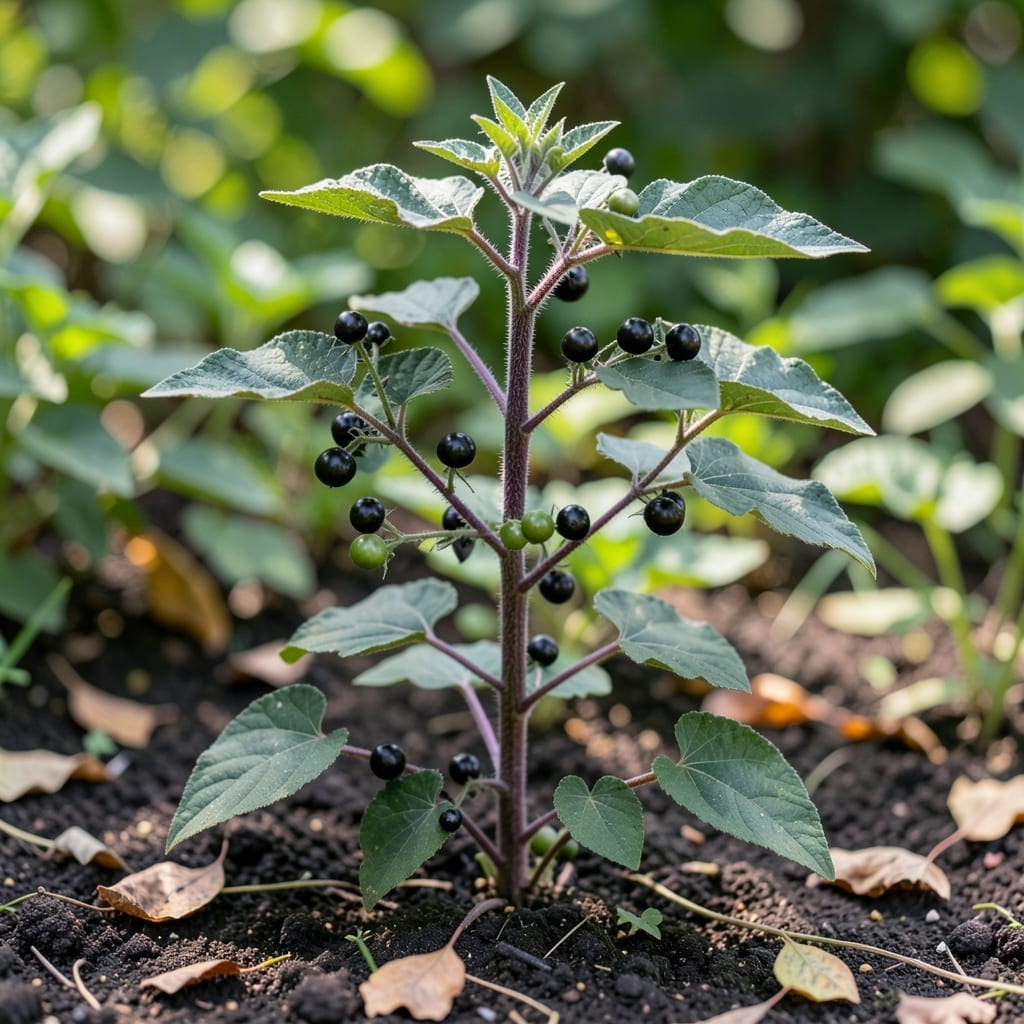
That first glimpse of deep purple fruit against green leaves never gets old. I’ve watched these vines transform bare fences into living tapestries, heavy with glossy black berries by late summer.
Most people assume all climbing berry vines need the same care, but each variety has its quirks. Some thrive in full sun, others tolerate shade, and a few will take over your yard if you’re not careful.
What you get is vertical beauty plus fruit for jams, pies, or wildlife. The right support system—trellis, arbor, or fence—keeps growth manageable and harvests within easy reach.
From fast-growing blackberries to elegant elderberries, there’s a perfect climber for every space. Let’s find yours.
The appearance of a climbing vine with black berries in your garden or landscape is rarely random. Several ecological and biological factors drive its growth. Below are the primary causes, explained with actionable insights.
Birds and small mammals often consume the berries of vines like Bittersweet Nightshade or Elderberry, then excrete the seeds elsewhere. This natural process spreads the plant far from the parent vine. To limit unwanted growth, remove berries before they ripen or use bird netting in sensitive areas.
Many black-berried climbing vines thrive in moist, well-drained soil and partial shade. Areas with consistent water access—such as near downspouts or irrigation systems—can encourage rapid vine establishment. Improving drainage or introducing drought-tolerant plants can help suppress their spread.
Some vines, like Porcelain Berry or Oriental Bittersweet, develop extensive underground runners. Even a small fragment of root left in the soil can regenerate a new plant. Thoroughly dig out roots (at least 6–12 inches deep) to prevent regrowth, and dispose of them in sealed bags—not compost.
Accidental transport via contaminated soil, gardening tools, or discarded yard waste can introduce invasive vines. Always clean tools between uses and inspect new soil or mulch for vine fragments before application.
Dealing with a climbing vine with black berries can come with its share of challenges, but most problems are manageable with the right approach. Below are practical solutions to common issues, along with prevention tips to keep your vine thriving. 🌿
Fix: Prune the vine regularly to control its growth. Use clean, sharp pruning shears to trim back excessive shoots, especially in early spring or late winter. Remove any dead or diseased branches to encourage healthy growth.
Prevention: Install a trellis or support structure to guide the vine’s growth direction. Regularly check for new shoots and redirect them as needed.
Fix: For common pests like aphids or spider mites, spray the vine with a mixture of water and mild soap or use neem oil. For severe infestations, consider an organic insecticide.
Prevention: Inspect the vine regularly for signs of pests, such as yellowing leaves or webbing. Encourage beneficial insects like ladybugs to naturally control pest populations.
Fix: Check the soil moisture—overwatering or underwatering can cause stress. Adjust your watering schedule to keep the soil consistently moist but not soggy. If the soil is poor, amend it with compost for better drainage and nutrients.
Prevention: Mulch around the base of the vine to retain moisture and regulate soil temperature. Water deeply but infrequently to encourage strong root growth.
Fix: Ensure the vine is getting enough sunlight (at least 6 hours daily). If the vine is in a shady spot, consider relocating it or trimming nearby plants to allow more light. Fertilize with a balanced, slow-release fertilizer in early spring to boost growth.
Prevention: Prune the vine annually to remove old wood and encourage new, fruit-bearing growth. Avoid over-fertilizing, as this can lead to excessive foliage at the expense of berries.
With these simple fixes and preventive measures, your climbing vine will stay healthy and productive for years to come! 💡
Not all black berries on climbing vines are edible. Some, like elderberries, are safe when cooked, while others, such as bittersweet nightshade, are toxic. Always confirm the vine’s identity before consuming any berries.
Growth rates vary by species. Fast growers like blackberry can extend 10-20 feet in a single season, while others may take several years to reach full size. Regular pruning helps manage their spread.
Most climbing vines need sturdy structures like trellises, fences, or arbors. Heavy varieties may require additional ties or wires for support. Ensure the structure can handle the vine’s mature weight.
Use root barriers or contain them in large pots. Regular pruning and removing unwanted shoots early helps control growth. Some invasive types may need more aggressive management.