
Beautiful Plants For Your Interior
Beautiful Plants For Your Interior
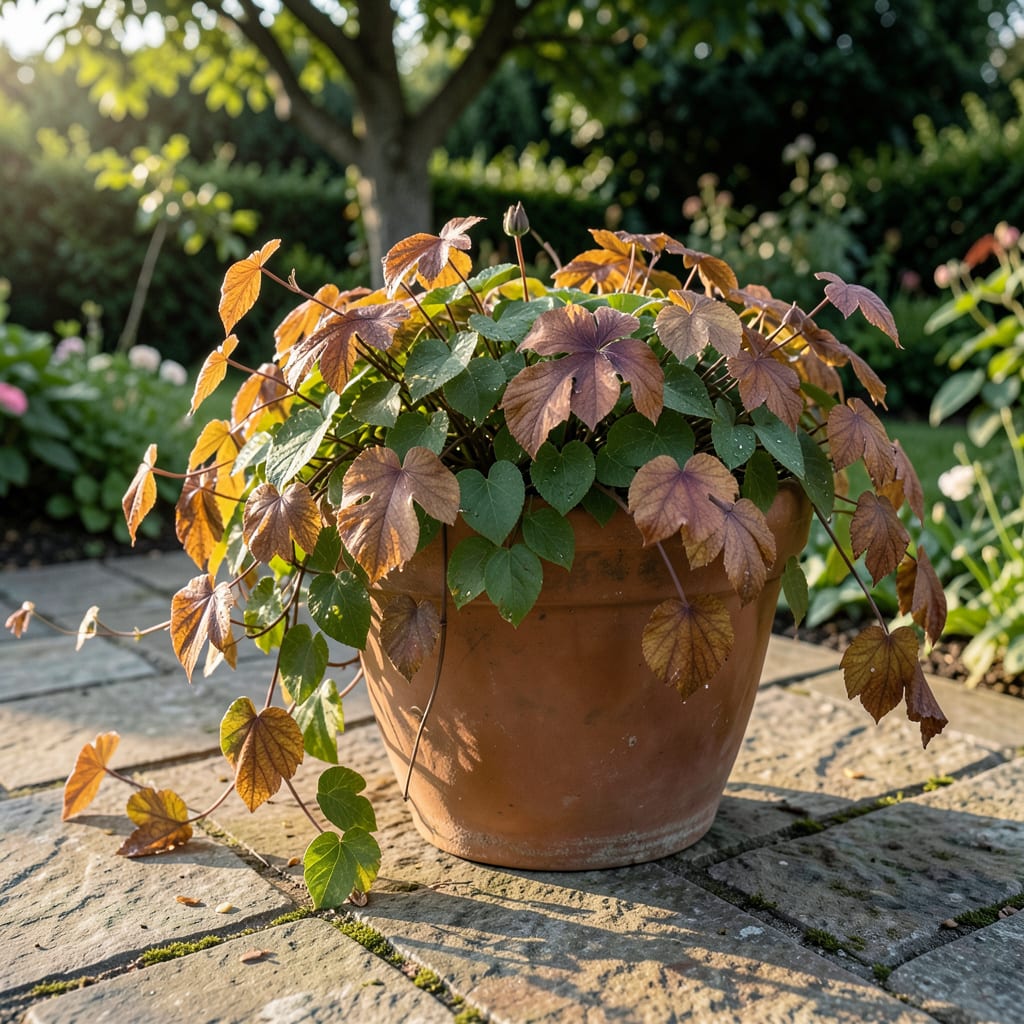
Brown clematis leaves sent me into a panic last summer. Turns out, it’s often the plant’s way of waving a white flag before bigger problems hit.
Most cases trace back to 3 common culprits: fungal infections from wet foliage, water stress from inconsistent moisture, or nutrient gaps in the soil. The good news? Each has a straightforward fix.
With the right approach, you can stop the browning within 7-10 days and nurse your vine back to its vibrant self. Prevention is even simpler once you know what to watch for.
Works for all clematis varieties, whether they’re climbing a trellis or spilling from a container. Here’s how to diagnose and treat it.
Understanding why Clematis leaves turn brown starts with identifying the underlying stressors. Here are the most common causes, explained in simple, actionable terms:
Extreme heat, prolonged drought, or sudden temperature swings disrupt the plant’s ability to regulate moisture. When roots can’t supply water fast enough to the leaves, tissue desiccation occurs, leading to brown, crispy edges or patches. This is often worse in full sun exposures without adequate mulch to retain soil moisture.
While Clematis loves consistent moisture, soggy soil suffocates the roots, preventing oxygen uptake. This triggers root rot (often caused by Phytophthora or Pythium fungi), which manifests as yellowing leaves that quickly turn brown and wilt. Poor drainage in heavy clay soils exacerbates the issue.
Pathogens like Clematis wilt (Ascochyta clematidina) or leaf spot (Mycosphaerella spp.) thrive in humid conditions. They attack foliage, causing irregular brown spots with yellow halos. Infected leaves often curl and drop prematurely. Overhead watering or crowded plantings spread spores rapidly.
Sap-sucking pests such as aphids, spider mites, or scale insects pierce leaf cells, draining vital fluids. The damage appears as stippling, yellowing, or bronzing that progresses to brown necrosis. Heavy infestations also introduce sooty mold, a black fungal growth that further stresses the plant.
A deficiency in magnesium (interveinal chlorosis turning brown) or potassium (scorched leaf margins) can trigger browning. Conversely, excess fertilizer (especially high-nitrogen blends) may cause salt burn, where leaf tips and edges crisp up due to osmotic stress.
When your clematis leaves start turning brown, quick action can save your plant. Below are targeted fixes for the most common causes, along with prevention tips to keep your vine thriving.
If the browning is crispy and starts at the leaf edges, your clematis is likely thirsty or overheated. Water deeply at the base in the early morning, ensuring the soil stays moist but not soggy. Mulch around the roots with organic matter (like bark or compost) to retain moisture. For extreme heat, provide temporary shade with a light fabric during peak afternoon sun.
Prevention: Install a drip irrigation system for consistent moisture, and plant heat-tolerant varieties in sunnier spots.
Yellowing leaves that turn brown and mushy signal too much water. Stop watering immediately and let the soil dry out. Improve drainage by amending the soil with sand or grit, or transplant the clematis to a raised bed. If root rot is suspected, trim affected roots and repot in fresh, well-draining soil.
Prevention: Use containers with drainage holes or plant in naturally well-drained areas. Water only when the top inch of soil feels dry.
Brown spots with yellow halos often mean a fungal issue. Remove and destroy infected leaves to prevent spread. Apply a copper-based fungicide or a DIY mix of 1 tsp baking soda + 1 quart water + a drop of dish soap every 7–10 days. Ensure good air circulation by spacing plants properly and pruning dense growth.
Prevention: Avoid overhead watering—use a soaker hose instead. Clean up fallen debris regularly to reduce fungal spores.
Check undersides of leaves for aphids, spider mites, or scale insects, which can cause brown, stippled, or curled foliage. Blast pests off with a strong stream of water, or apply neem oil or insecticidal soap. For severe infestations, introduce beneficial insects like ladybugs.
Prevention: Inspect plants weekly and encourage natural predators by planting companion flowers like marigolds.
Uniform browning or yellowing between leaf veins may indicate a lack of nutrients. Test your soil and amend with a balanced, slow-release fertilizer (10-10-10) or compost. For iron deficiency (common in alkaline soils), apply chelated iron or sulfur to lower pH.
Prevention: Feed clematis with a high-potassium fertilizer in spring, and top-dress with compost annually.
Yes, remove brown or damaged leaves immediately to prevent the spread of disease. Use clean pruners and dispose of the foliage in the trash, not compost. This also helps the plant focus energy on healthy growth.
Too much fertilizer, especially high-nitrogen types, can burn roots and lead to brown, crispy leaf edges. Stick to a balanced 10-10-10 formula and follow package instructions carefully.
Water deeply 1-2 times per week, ensuring the top 1-2 inches of soil dry between waterings. Morning is best to allow foliage to dry quickly and reduce fungal risks.
Fungal diseases like clematis wilt can spread to nearby plants. Isolate affected vines and avoid overhead watering. Good air circulation and removing fallen debris helps contain the issue.
