
Beautiful Plants For Your Interior
Beautiful Plants For Your Interior
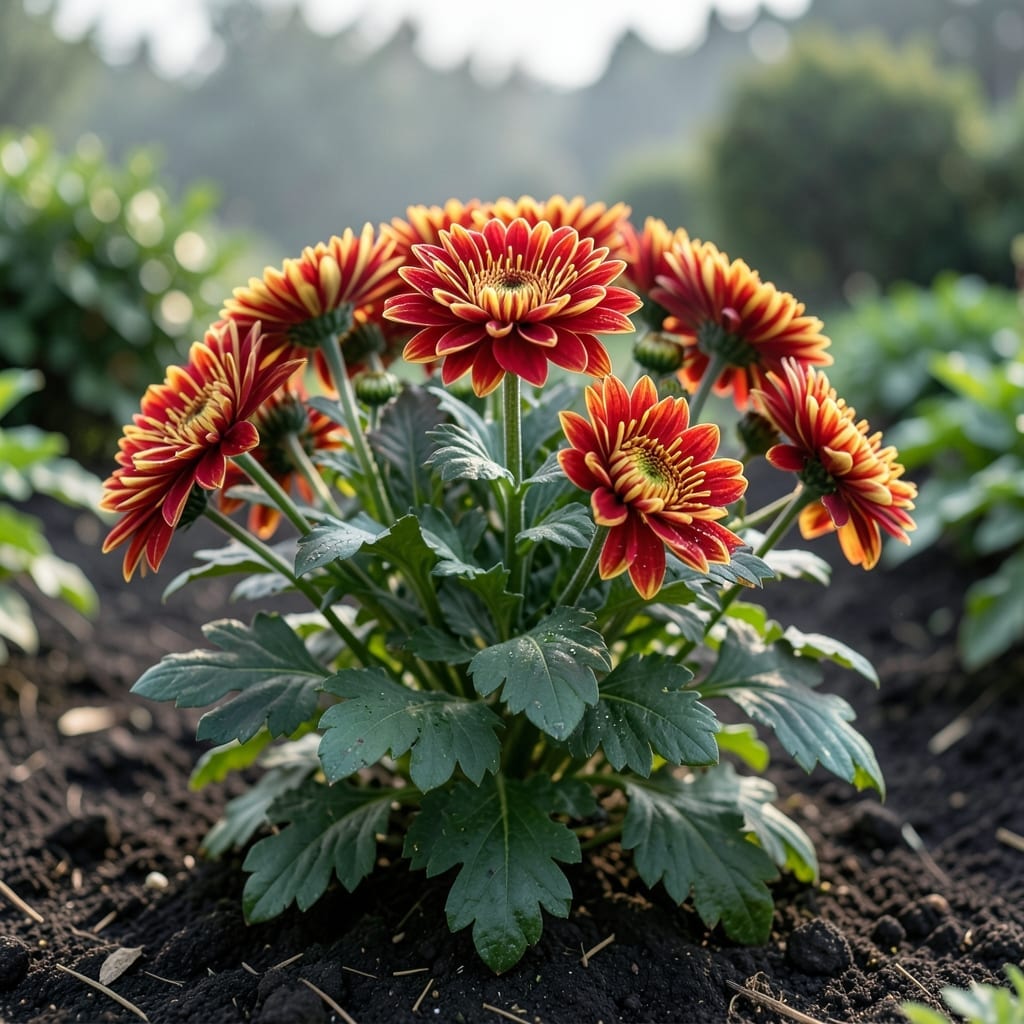
Nothing signals fall’s arrival quite like the vibrant burst of Chrysanthemums. Yet knowing exactly when these hardy perennials will bloom can transform your garden from ordinary to extraordinary.
I’ve learned that timing isn’t just about luck—it’s about understanding your 🌼 Chrysanthemum and its natural rhythm. These flowers thrive in zones 5-9, and their bloom time can shift based on variety and care.
Whether you’re planting in spring or early fall, the right approach can bring a spectacular display. Let me share how to align your efforts with nature’s schedule.
Discover the secrets to predicting and even extending your Chrysanthemum’s bloom season for a garden that stays stunning longer.
I love how chrysanthemums bring fall gardens to life with their vibrant colors. But not all mums bloom at the same time. Early varieties start flowering in late summer, while others wait until frost nips the air. 🌼
In my experience, knowing your mum type is key to timing your display. Early bloomers like ‘Clara Curtis’ often start in August, while late varieties such as ‘White Monarch’ may hold off until October or later.
I’ve found that spray mums like ‘Mammoth’ offer multiple blooms per stem, creating a fuller display from September to October. They’re perfect for fall containers or borders.
For garden planning, I recommend mixing varieties. This way, you’ll have continuous color from late August through first frost. It’s like having a living calendar in your garden.
In my garden, I pair early bloomers with late varieties to create a seamless transition. The early mums start the show, while the late ones keep it going as temperatures drop. ☀️
Hardiness zones matter too. In zone 5-9, most mums thrive, but in cooler areas, you might see earlier blooms as plants rush to complete their cycle before winter.
I’ve noticed that container-grown mums often bloom earlier than in-ground plants. This is because potted plants experience more temperature fluctuations, which can trigger blooming. 🌱
For the longest bloom season, I suggest deadheading spent flowers. This encourages new buds to form and can extend your display by several weeks.
Remember, light exposure affects bloom time. Short day plants like mums need 12+ hours of darkness to trigger flowering. In areas with street lights, you might need to cover plants to ensure proper blooming.
In my experience, consistent watering helps maintain bloom schedules. Drought stress can delay flowering, so I make sure my mums get 1-2 inches of water weekly during dry spells. 💧
With a few simple techniques, I can help you stretch your chrysanthemum bloom time well beyond its natural window. These flowers are surprisingly responsive to care adjustments.
One of my favorite methods is pinching back stems in early summer. This encourages bushier growth and can delay blooming until you’re ready for a showstopping display.
For earlier blooms, I start fertilizing in spring with a balanced 10-10-10 formula. This gives plants the energy they need to produce flowers sooner.
If you want to delay blooming, try reducing light exposure in late summer. Covering plants with shade cloth for part of the day can trick them into blooming later.
Deadheading is another simple trick. By removing spent blooms, I signal the plant to produce more flowers, extending the overall bloom season by weeks.
Remember, consistent watering is key. Chrysanthemums need 1-2 inches weekly to maintain their blooming potential. With these techniques, you can enjoy vibrant colors from late summer through fall. 🌼