
Beautiful Plants For Your Interior
Beautiful Plants For Your Interior
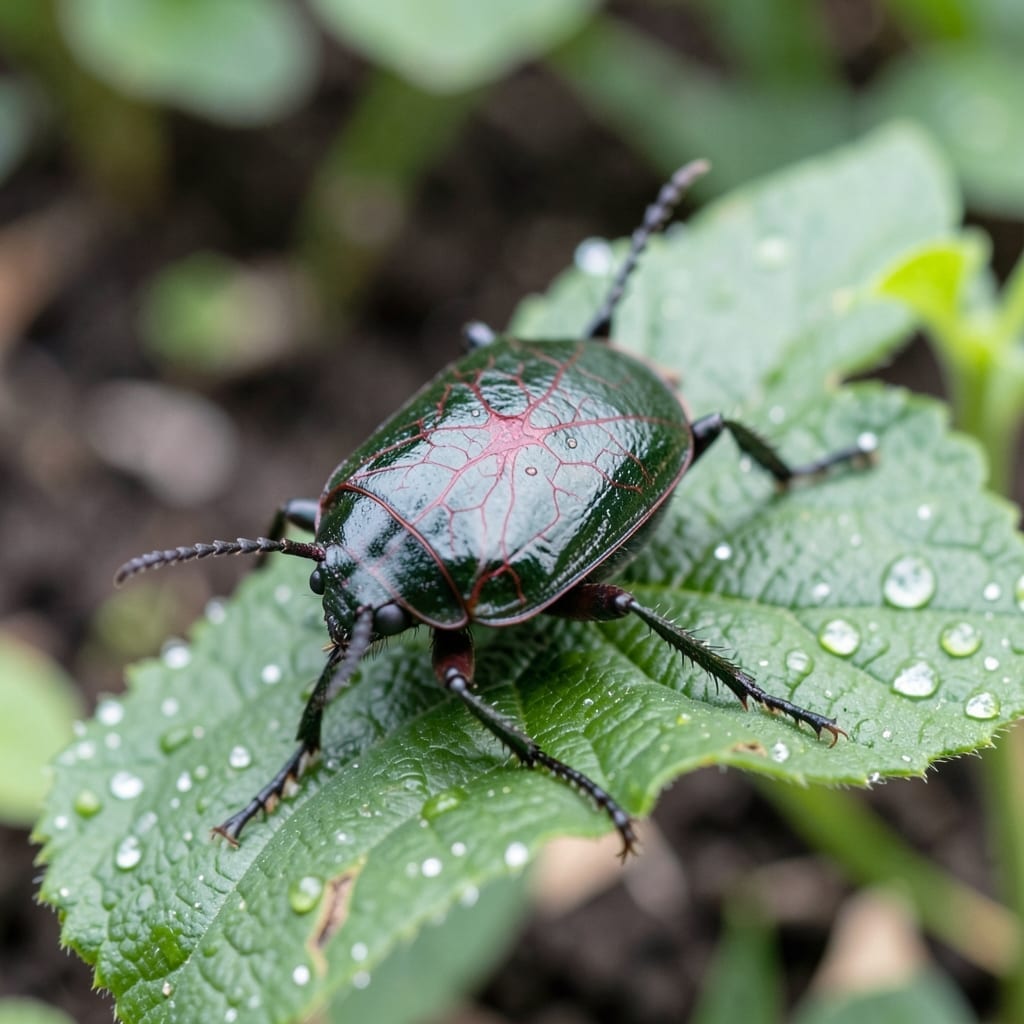
I first noticed the damage on my kale leaves—jagged holes and skeletonized foliage. Chinese beetle bugs are sneaky, often blending into plants until they’ve already done serious harm.
These pests thrive in warm, dry conditions and target a wide range of vegetables. Early detection is key: look for clusters of tiny eggs on leaf undersides or the bugs themselves, which are small, oval, and often brown or green.
Organic control starts with hand-picking and dropping them into soapy water. Row covers and companion planting can also prevent infestations before they start.
With consistent checks and the right strategies, you can protect your garden without harsh chemicals. The goal is healthy plants and a pest-free harvest.
The presence of Chinese beetle bugs in your garden or home often stems from specific environmental or behavioral triggers. Understanding these causes can help you prevent infestations effectively.
These pests thrive in dense, unkempt vegetation. Overgrown plants provide shelter, moisture, and a steady food supply, making your garden an ideal habitat. Regularly prune plants and remove weeds to eliminate their hiding spots.
Chinese beetle bugs are drawn to damp environments. Poor drainage, leaky pipes, or overwatering create the perfect breeding ground. Ensure proper drainage in your garden and fix any moisture issues indoors to deter them.
Rotting leaves, compost piles, or untreated wood attract these bugs as they feed on decomposing material. Keep your yard clean, dispose of organic waste properly, and store firewood away from your home.
Cracks in walls, gaps under doors, or broken screens offer easy access for these pests. Seal potential entry points with caulk or weatherstripping to block their path indoors.
Some plants, like legumes or certain vegetables, are more susceptible to infestations. If you notice recurring issues, consider rotating crops or planting resistant varieties to reduce attraction.
Dealing with these pests doesn’t have to be a losing battle. Here’s how to tackle each issue head-on, with simple fixes and prevention tips to keep your garden thriving.
If you spot larvae or beetles in the soil, act fast. Dig out the affected area (at least 6 inches deep) and replace it with fresh, sterilized potting mix. Dispose of the infested soil in a sealed bag—do not compost it, as this can spread the problem. Prevention tip: 💡 Rotate crops yearly and use beneficial nematodes to target grubs naturally.
For visible beetles or chewed leaves, start by handpicking adults early in the morning when they’re sluggish. Drop them into soapy water to eliminate them. Trim heavily damaged foliage to reduce hiding spots. Prevention tip: 🎯 Lay floating row covers over plants to block access while allowing light and water through.
If larvae are feeding on roots, sprinkle food-grade diatomaceous earth around the base of plants. This natural powder dehydrates pests without harming your veggies. Reapply after rain. Prevention tip: ✨ Plant companion herbs like garlic or mint nearby—their strong scents deter beetles.
For larger infestations, mix neem oil with water and a drop of dish soap, then spray evenly on both sides of leaves. Neem disrupts the pests’ life cycle and repels adults. Prevention tip: 🌡️ Spray in the early evening to avoid harming pollinators like bees.
Consistency is key—check plants weekly for early signs and intervene before populations explode. A little vigilance goes a long way!
They’re especially fond of legumes like beans and peas, but also attack kale, spinach, and other leafy greens. Check these plants first if you suspect an issue.
Rotate crops yearly and plant companion herbs like garlic or mint. Floating row covers also block access while letting light and water through.
Act at dawn or dusk when pests are sluggish. For sprays like neem oil, apply in the early evening to avoid harming pollinators.
Ignoring early signs like small holes or eggs on leaf undersides. Weekly checks catch problems before they spread.