
Beautiful Plants For Your Interior
Beautiful Plants For Your Interior
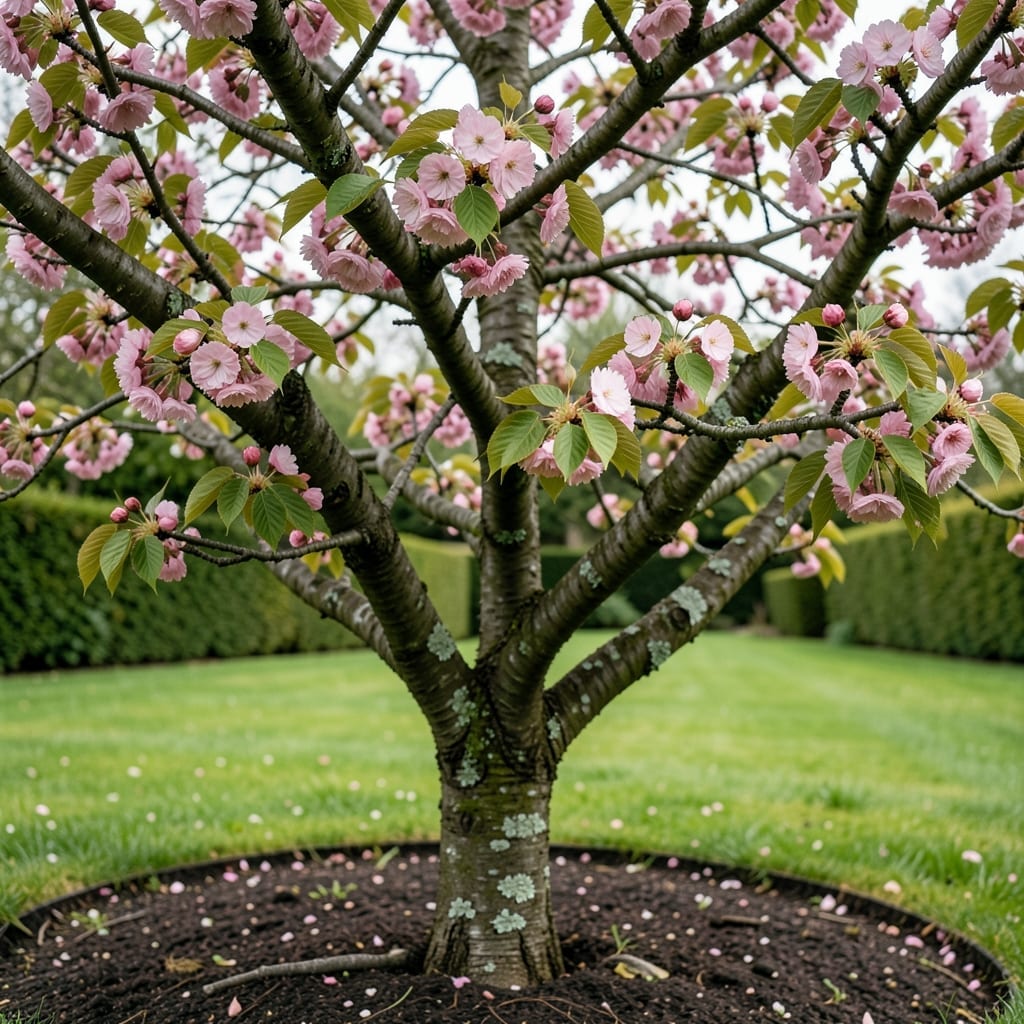
That gray-green crust on your cherry tree isn’t hurting it yet. Lichen appears when conditions favor slow growth—often meaning your tree needs a little more attention to thrive.
I’ve seen lichen fool even experienced gardeners into thinking their tree is sick. The truth? It’s a sign of stable but stressed bark, usually from poor air circulation or low vitality.
Safe removal starts with gentle brushing and improving the tree’s overall health. No harsh chemicals needed—just consistent care that restores vigor to the bark and foliage.
With the right approach, your cherry tree will outgrow the lichen and reward you with stronger, more resilient growth next season.
Lichen growth on cherry trees isn’t a sign of poor health—it’s often a natural response to environmental conditions. Here’s why it happens:
Lichens thrive in damp environments. Cherry trees in humid climates or areas with frequent rainfall create ideal conditions for spores to settle and grow. Poor air circulation (e.g., crowded plantings) traps moisture, accelerating colonization.
Shaded cherry trees—especially those under dense canopies or in north-facing yards—receive less direct sunlight. Lichens prefer these low-light spots, as UV rays can inhibit their growth.
Unlike many plants, lichens absorb nutrients from the air. Cherry trees in urban areas with high nitrogen oxides or sulfur dioxide may host more lichen, as these pollutants act as unintended fertilizers.
While lichen itself doesn’t harm trees, stressed or aging cherry trees (e.g., drought-damaged or nutrient-deficient) grow bark more slowly. This gives lichen more time to establish without being shed during natural bark renewal.
If your cherry tree is showing signs of lichen, don’t panic—this issue is manageable with the right approach. Below are targeted solutions for common causes, along with prevention tips to keep your tree thriving.
Lichen thrives in damp, still air. Prune dense branches to improve airflow, focusing on the tree’s center and any crossing limbs. Use clean, sharp tools to make precise cuts at a 45-degree angle just outside the branch collar. This reduces moisture buildup and discourages lichen growth.
Prevention tip: 💡 Space out plantings to avoid crowding, and prune annually during the tree’s dormant season.
If your cherry tree sits in soggy soil or gets frequent overhead watering, lichen may take hold. Adjust your watering routine to target the root zone directly, and ensure the soil drains well. For potted trees, check that drainage holes aren’t clogged.
Prevention tip: 🌧️ Mulch with coarse bark to keep roots moist but not waterlogged, and avoid wetting the bark during watering.
A stressed or malnourished tree is more susceptible to lichen. Fertilize in early spring with a balanced, slow-release formula to support growth. Test your soil’s pH and adjust if needed—cherry trees prefer slightly acidic to neutral soil (6.0–7.0).
Prevention tip: 🍃 Monitor for pests or diseases, which can weaken the tree and invite lichen. Treat issues promptly to maintain vigor.
If lichen is already present, remove it carefully without damaging the bark. Use a soft-bristle brush or a plastic scraper to gently lift it off. Avoid harsh chemicals or pressure washing, as these can harm the tree. For stubborn patches, a solution of 1 part vinegar to 3 parts water can help, but test on a small area first.
Prevention tip: ✨ Inspect your tree regularly, especially after wet seasons, and remove lichen early before it spreads.
No, lichen is harmless to healthy trees. It doesn’t feed on the tree but uses it for support. The real concern is that its presence may signal underlying stress like poor air circulation or weak vitality.
Avoid bleach—it can damage the bark and harm the tree. Instead, use a soft brush or a 1:3 vinegar-water solution for gentle removal. Always test on a small area first.
Lichen returns if the root causes aren’t addressed. Improve airflow with pruning, reduce moisture by adjusting watering, and boost tree health with proper fertilization. Consistency is key.
Yes, the fruit remains safe to eat. Lichen doesn’t affect the fruit’s quality or safety, but wash it thoroughly to remove any debris or spores.