
Beautiful Plants For Your Interior
Beautiful Plants For Your Interior
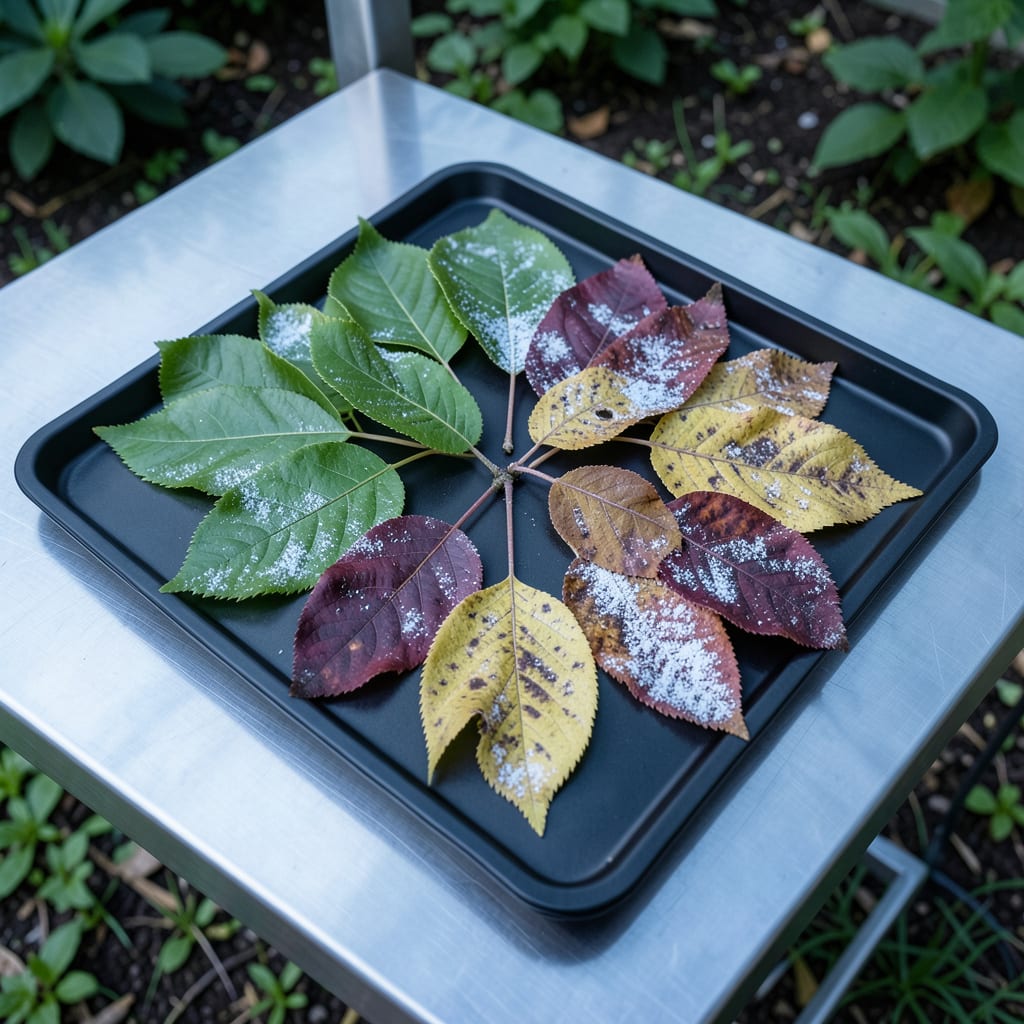
Those brown spots on your cherry leaves aren’t just ugly—they’re a warning sign. 🌿 I’ve seen entire trees defoliate by midsummer because early symptoms were ignored, but catching issues early changes everything.
The most common culprits are fungal diseases like leaf spot and powdery mildew, which thrive in wet conditions. They start as tiny discolorations before spreading rapidly, especially after spring rains or overhead watering.
You’ll restore tree health with targeted treatments and cultural changes that prevent recurrence. The key is breaking the disease cycle before it gains momentum each season.
Works for sweet, sour, and ornamental cherry varieties alike. Here’s how to identify and stop the spread.
Understanding why cherry tree leaves fall prey to diseases starts with recognizing the underlying causes. Below are the primary factors that create the perfect storm for cherry tree leaf diseases to thrive.
Fungi like Blumeriella jaapii (cherry leaf spot) and Coccomyces hiemalis (peach leaf curl) are common culprits. These pathogens thrive in cool, wet conditions, spreading through water droplets on leaves. Spores overwinter in fallen debris and infect new growth in spring. Poor air circulation and high humidity exacerbate the problem, creating an ideal environment for spores to germinate and spread.
Bacteria such as Xanthomonas arboricola pv. pruni cause bacterial leaf spot, leading to dark, water-soaked lesions on leaves. These bacteria enter through natural openings or wounds (e.g., from pruning or hail) and multiply rapidly in warm, moist weather. Contaminated tools or rainfall can further spread the bacteria from tree to tree.
Insects like aphids, mites, and leafhoppers don’t just damage leaves—they also transmit viral diseases such as cherry leaf roll virus. These pests pierce leaf tissues, allowing viruses to enter and disrupt cellular functions. Weakened trees (due to drought or poor nutrition) are especially vulnerable to pest infestations and subsequent infections.
Stressors like drought, waterlogging, or nutrient deficiencies compromise a cherry tree’s natural defenses. For example, nitrogen deficiency weakens leaf tissues, making them more susceptible to fungal and bacterial invasions. Similarly, extreme temperature fluctuations can stress the tree, reducing its ability to fend off pathogens.
Overhead watering, lack of pruning, or failure to remove infected debris can all contribute to disease outbreaks. Crowded canopies limit airflow, trapping moisture and encouraging fungal growth. Sanitation is key—removing fallen leaves and pruning infected branches disrupts the disease cycle and prevents reinfection.
Addressing cherry tree leaf diseases starts with identifying the issue and applying targeted fixes. Below are practical solutions for common problems, paired with prevention tips to keep your tree thriving.
Prune infected branches immediately to stop the spread. Dispose of fallen leaves and fruit to eliminate fungal spores. Apply a copper-based fungicide during bloom and again after harvest. Prevention: Thin branches for better airflow and avoid overhead watering.
Remove and destroy spotted leaves to reduce fungal growth. Treat with a fungicide labeled for leaf spot, following package instructions. Prevention: Rake up debris in fall and water at the base of the tree to keep foliage dry.
Blast aphids off leaves with a strong stream of water. For severe cases, use insecticidal soap or neem oil. Prevention: Encourage natural predators like ladybugs and avoid over-fertilizing with nitrogen.
Spray affected leaves with a baking soda solution (1 tbsp baking soda + 1 tsp dish soap per gallon of water). Increase air circulation by pruning dense areas. Prevention: Plant resistant varieties and space trees properly.
Pro Tip 💡: Always sterilize pruning tools between cuts to avoid spreading diseases. Regularly inspect your tree for early signs of trouble!
Brown spots often signal fungal infections like leaf spot or brown rot. These typically appear after wet weather and spread quickly if untreated. Early removal of affected leaves helps prevent further damage.
Yes! Excess moisture creates ideal conditions for fungal growth. Always water at the base of the tree, not the leaves, and ensure good drainage. Morning watering allows foliage to dry during the day.
Apply copper-based fungicides every 10-14 days during wet seasons. Start at bud break and continue through harvest for best results. Always follow product instructions.
