
Beautiful Plants For Your Interior
Beautiful Plants For Your Interior
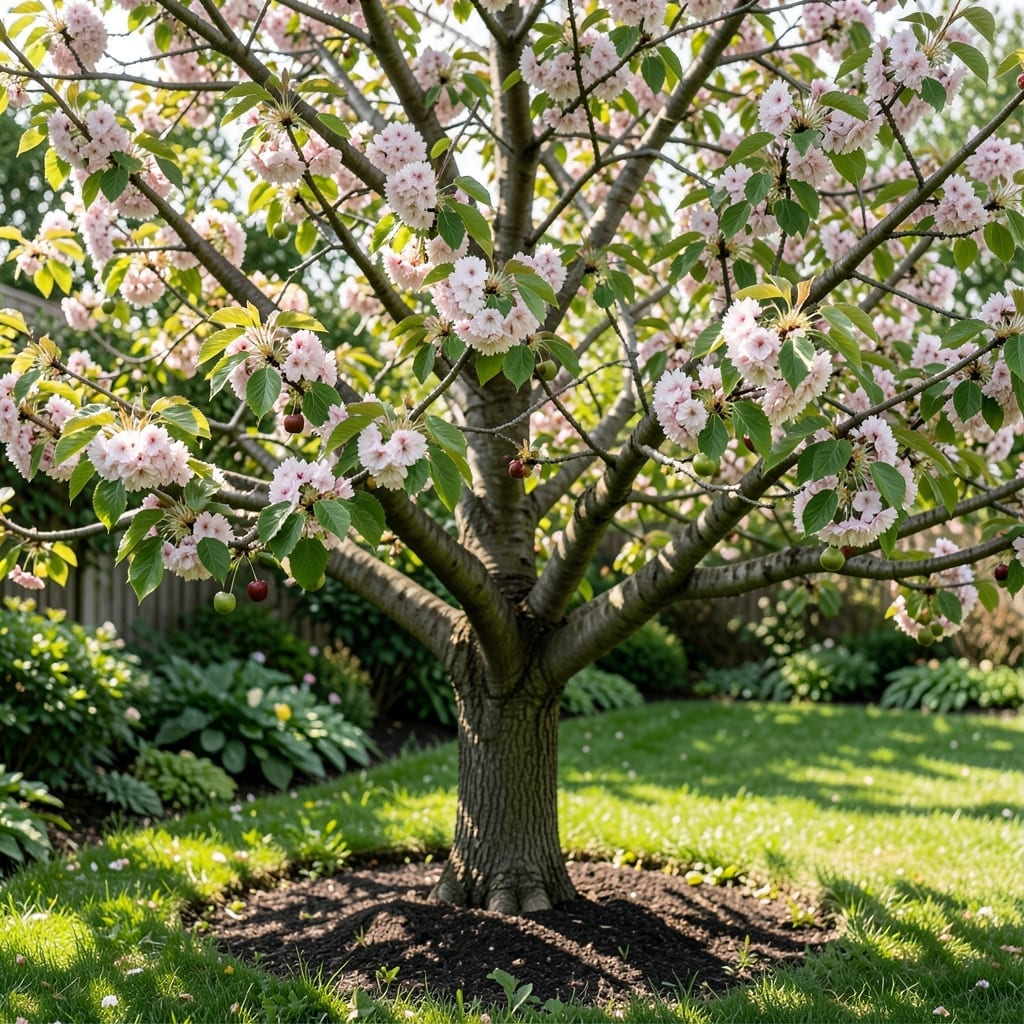
Watching a 🌳 Cherry Tree transform from delicate blossoms to ripe fruit is pure magic. Each stage brings visible changes that tell you exactly what your tree needs.
From the first pink buds to the final deep-colored cherries, understanding these phases helps you provide the best care. It’s not just about patience—it’s about knowing when to water, fertilize, or protect.
Discover how to guide your tree through every step for a bountiful harvest. The journey from bloom to fruit is easier than you think.
I love watching my cherry trees progress through their fruit development stages. Each phase brings unique changes that signal what care your tree needs next.
From the first blossom buds to the final ripe cherries, understanding these stages helps you provide optimal support for your tree’s growth.
| Stage | Description | Timeframe |
|---|---|---|
| Dormant Bud | Buds form on branches | Late Winter |
| Pink Bud | Buds swell and turn pink | Early Spring |
| Full Bloom | White flowers open fully | Mid Spring |
| Pollination | Bees transfer pollen between flowers | During Bloom |
| Fruit Set | Small green cherries appear | 2-3 Weeks Post-Bloom |
| Ripening | Cherries develop color and sweetness | 4-6 Weeks Post-Set |
The journey begins with dormant buds in late winter. These tiny swellings contain the future flowers and fruit of your cherry tree. They’re easy to overlook but crucial.
As temperatures rise in early spring, the pink bud stage arrives. The buds swell and take on a beautiful pink hue, signaling that bloom time is near. This is when I start checking for frost warnings.
Full bloom is the most spectacular phase. The tree explodes with white blossoms, creating a stunning display. This stage typically lasts about a week and is critical for pollination.
During pollination, bees and other insects transfer pollen between flowers. Without this process, your cherries won’t develop. I always plant bee-friendly flowers nearby to encourage pollinator activity.
The fruit set stage begins when petals fall and tiny green cherries appear. These are the fertilized ovaries that will grow into fruit. At this point, I make sure my tree has consistent moisture.
Finally, the ripening stage brings the most exciting changes. The cherries grow larger, develop their characteristic color, and accumulate sugars. For sweet cherries, this typically takes 4-6 weeks after fruit set.
I’ve found that tart cherries often ripen a bit earlier than sweet varieties. They’ll turn from green to bright red, while sweet cherries deepen to a rich mahogany or dark purple hue.
Remember that weather conditions can affect these timelines. A late frost during bloom can damage flowers, while excessive rain might delay pollination. I always keep an eye on the forecast during these critical stages.
I’ve learned that cherry trees need different care at each fruit development stage. The right approach ensures healthy growth and a bountiful harvest of sweet or tart cherries.
From blossom to ripening, your tree’s needs change dramatically. I adjust my watering, fertilizing, and pest control to match these phases for the best results.
During the dormant bud stage in late winter, I focus on preventative care. Pruning removes dead wood, while dormant oil spray smothers overwintering pests like aphids or scale insects.
When pink buds appear, I monitor moisture levels closely. Young trees need about 1 inch of water per week. I water at the base to keep blossoms dry, reducing frost risk.
At full bloom, my priority is pollination support. I plant bee-friendly flowers nearby and avoid pesticides. Healthy bee activity means more fertilized flowers and better fruit set.
Once fruit set occurs, I thin clusters to 6 inches apart. This prevents overcrowding and ensures larger, sweeter cherries. A light balanced fertilizer application supports rapid growth.
As cherries ripen, I reduce watering to enhance sweetness. Bird netting becomes essential to protect my harvest from hungry visitors. I check daily as the color deepens.