
Beautiful Plants For Your Interior
Beautiful Plants For Your Interior
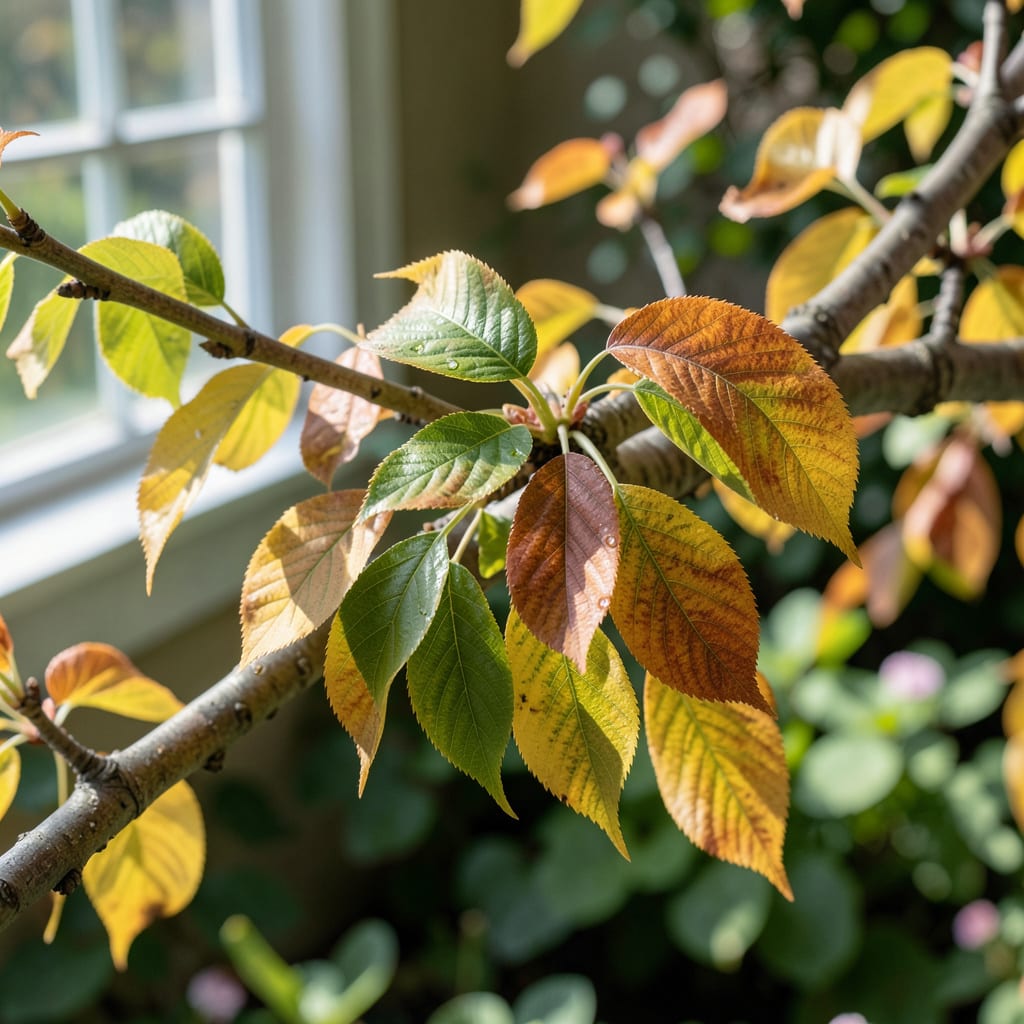
Yellow leaves on your cherry tree aren’t just unsightly—they’re a distress signal. I’ve seen this happen to my own trees, and the causes range from overwatering to sneaky nutrient deficiencies hiding in plain sight.
Most people assume it’s a disease, but often it’s simpler: wrong soil pH, compacted roots, or even too much love with the watering can. The fix usually starts with checking the basics before assuming the worst.
Once you identify the real culprit, recovery can be surprisingly fast. My trees perked up within 2-3 weeks after adjusting the soil and water routine. The key is diagnosing correctly the first time.
Works for young saplings and mature trees alike. Here’s how to read the signs and restore that deep green you expect from healthy foliage.
Cherry leaves turn yellow due to a range of environmental and biological stressors. Below are the most common causes, explained with actionable insights.
Yellowing often signals a lack of nitrogen, iron, or magnesium. Nitrogen deficiency causes uniform yellowing (chlorosis) across older leaves, while iron deficiency leads to yellowing between the veins of younger leaves. Magnesium deficiency appears as yellow patches with green veins. Solution: Conduct a soil test and amend with organic fertilizers or chelated iron.
Both overwatering and underwatering can trigger yellowing. Overwatering suffocates roots, reducing nutrient uptake, while drought stress disrupts photosynthesis. Solution: Ensure well-draining soil and water only when the top 1-2 inches of soil are dry.
Pathogens like Verticillium wilt or leaf spot block water and nutrient flow, causing yellowing and wilting. Solution: Remove infected leaves, improve air circulation, and apply copper-based fungicides preventively.
Sap-sucking pests (e.g., aphids, spider mites) drain nutrients, leading to yellow, stippled leaves. Solution: Use neem oil or insecticidal soap for early infestations.
Excessive heat, cold, or sunlight can scorch leaves, turning them yellow or brown. Solution: Provide afternoon shade in hot climates and mulch to regulate soil temperature.
Addressing yellow leaves on your cherry tree starts with identifying the root cause. Below are targeted solutions for common issues, along with prevention tips to keep your tree thriving.
If soil tests reveal low nitrogen, phosphorus, or iron, apply a balanced, slow-release fertilizer tailored to fruit trees. For iron deficiency (common in alkaline soil), use chelated iron or sulfur to lower pH. Prevention tip: Test soil annually and amend with compost to maintain nutrient balance. 💡
For waterlogged roots, improve drainage by mixing in sand or organic matter. If the soil is too dry, water deeply 1–2 times per week, ensuring moisture reaches 6–8 inches down. Prevention tip: Use a moisture meter to avoid guesswork. 🌡️
For aphids or mites, spray with neem oil or insecticidal soap. Fungal issues (e.g., leaf spot) may require copper fungicide. Prevention tip: Prune for airflow and remove fallen leaves to reduce disease spread. ✨
If excessive sun or heat is the culprit, add shade cloth during peak hours. For cold stress, mulch heavily to insulate roots. Prevention tip: Plant in a sheltered spot to minimize temperature swings. 🎯
Heavy clay or compacted soil? Loosen the soil and mix in compost or peat moss. For sandy soil, add organic matter to retain moisture. Prevention tip: Top-dress with compost yearly to boost soil health. 🌿
Not always, but it’s a common culprit. Overwatering suffocates roots, preventing nutrient uptake. Check soil moisture 2 inches deep—if it’s soggy, cut back on watering.
Look for sticky residue, webbing, or visible bugs on the undersides of leaves. Aphids and mites often leave stippled or curled leaves. Treat with neem oil immediately.
Severely damaged leaves may not recover, but new growth should be healthy. Focus on correcting the root cause, like adjusting soil pH or improving drainage.
No, it can also signal nutrient deficiencies, water stress, or environmental factors. Rule out simpler issues before assuming disease. Test soil and inspect leaves closely.
