
Beautiful Plants For Your Interior
Beautiful Plants For Your Interior
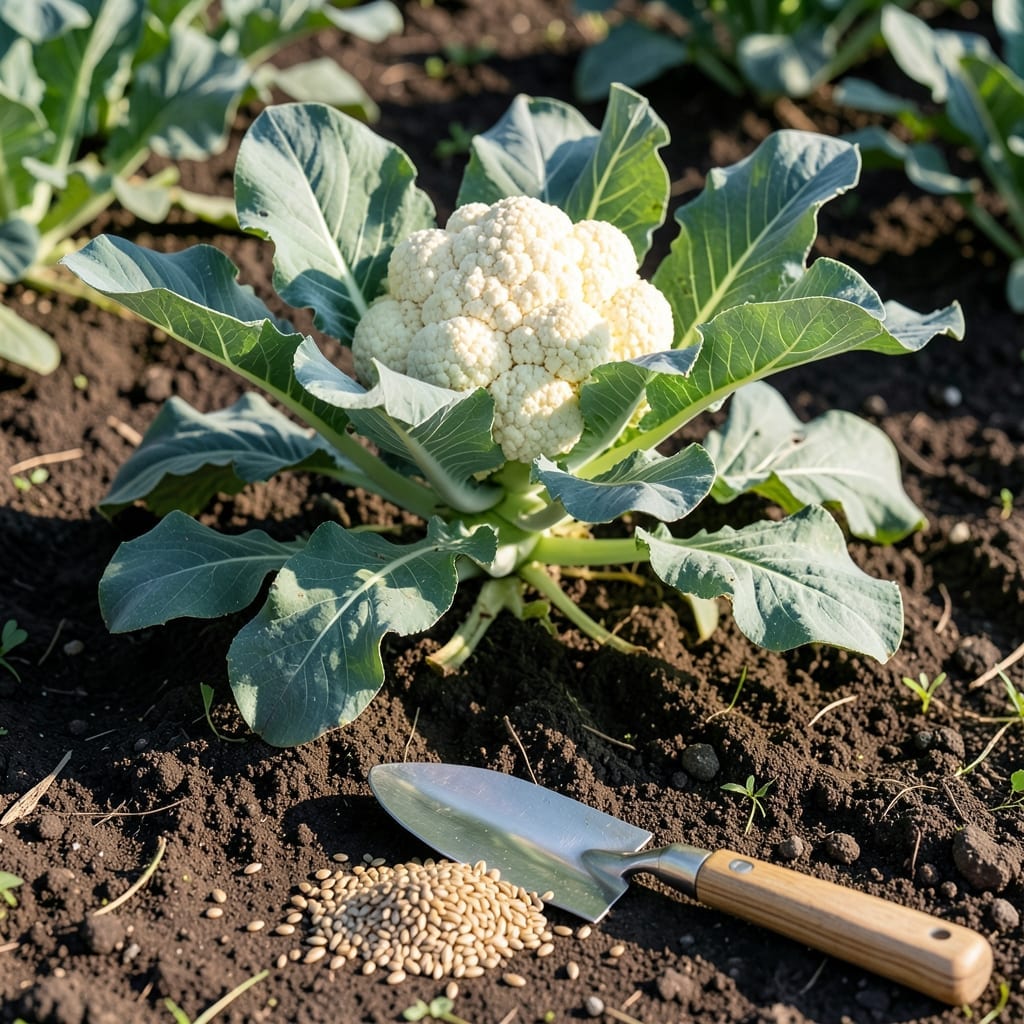
That first glimpse of bright orange heads peeking through the leaves never gets old. I’ve grown cheddar cauliflower for three seasons now, and the color alone makes it worth the effort.
Starting from seed gives you control over the entire process, from soil mix to harvest timing. The plants are surprisingly forgiving, thriving in cool weather with basic care and consistent moisture.
By mid-season, you’ll have vibrant, cheese-colored curds that taste as rich as they look. The flavor is nutty and sweet, with a texture that holds up better than white varieties.
Works in raised beds, containers, or directly in the ground—just give them 18-24 inches of space to stretch out. Here’s how to get it right.
The vibrant orange hue of cheddar cauliflower isn’t just for show—it’s a result of specific genetic and environmental factors. Here’s why it happens:
The cheddar cauliflower’s signature color comes from a natural mutation in the BoCRC gene, which regulates carotenoid production. Unlike white cauliflower, this variety accumulates beta-carotene (the same pigment in carrots), giving it its golden-orange tint. This mutation is stable, meaning seeds from a cheddar plant will reliably produce colorful offspring.
Soil rich in potassium and phosphorus enhances carotenoid synthesis. Deficiencies in these nutrients can dull the color, while optimal levels ensure a deep, consistent orange. A pH between 6.0 and 7.0 also supports pigment development.
Adequate sunlight (6+ hours daily) boosts carotenoid production. Shaded or overcrowded plants may develop paler heads. However, excessive heat can stress the plant, so balance is key—especially in warmer climates.
Cool temperatures (60–70°F) during head formation intensify the orange color. Heatwaves can cause uneven pigmentation or revert the hue to a paler yellow. Mulching helps stabilize soil temperature for consistent results.
Growing cheddar cauliflower from seeds can be rewarding, but a few common issues may arise. Here’s how to troubleshoot and prevent them for a vibrant, healthy harvest.
If leaves turn yellow, your plants may lack nitrogen or other essential nutrients. Fix: Apply a balanced, water-soluble fertilizer every 2-3 weeks. For a natural approach, work compost into the soil before planting. Prevention tip: Test soil pH (aim for 6.0–7.0) and amend as needed for optimal nutrient uptake. 💡
Cauliflower heads stay small or separate if stressed by uneven watering or temperature swings. Fix: Mulch around plants to retain moisture and keep soil temps steady. Water deeply 1–2 times per week, especially during dry spells. Prevention tip: Plant in a spot with partial shade in hot climates to avoid heat stress. 🌡️
Cabbage worms and aphids love cauliflower. Fix: Spray plants with neem oil or insecticidal soap at the first sign of pests. Handpick worms if the infestation is mild. Prevention tip: Use row covers early in the season to block pests before they reach your plants. ✨
If plants bolt (flower prematurely), they’re likely stressed by heat. Fix: Shade them with a cloth during peak sun hours. Prevention tip: Start seeds indoors 6–8 weeks before the last frost to ensure they mature in cooler weather. ⏰
With these fixes, your cheddar cauliflower will thrive, delivering those stunning, cheese-colored heads you’re after!
Sow seeds ¼ inch deep in well-draining soil. Keep the soil moist but not soggy for best germination. Expect sprouts in 7-10 days at 70°F.
Begin indoors 6-8 weeks before the last frost. This gives seedlings time to develop before transplanting. Use grow lights for strong, stocky plants.
Pale heads often mean insufficient sunlight or extreme heat. Ensure 6+ hours of sun daily and use shade cloth in hot climates to maintain vibrant color.
Yes! Use a 12-inch deep container with drainage. One plant per 5-gallon pot works well. Keep soil consistently moist for best results.