
Beautiful Plants For Your Interior
Beautiful Plants For Your Interior
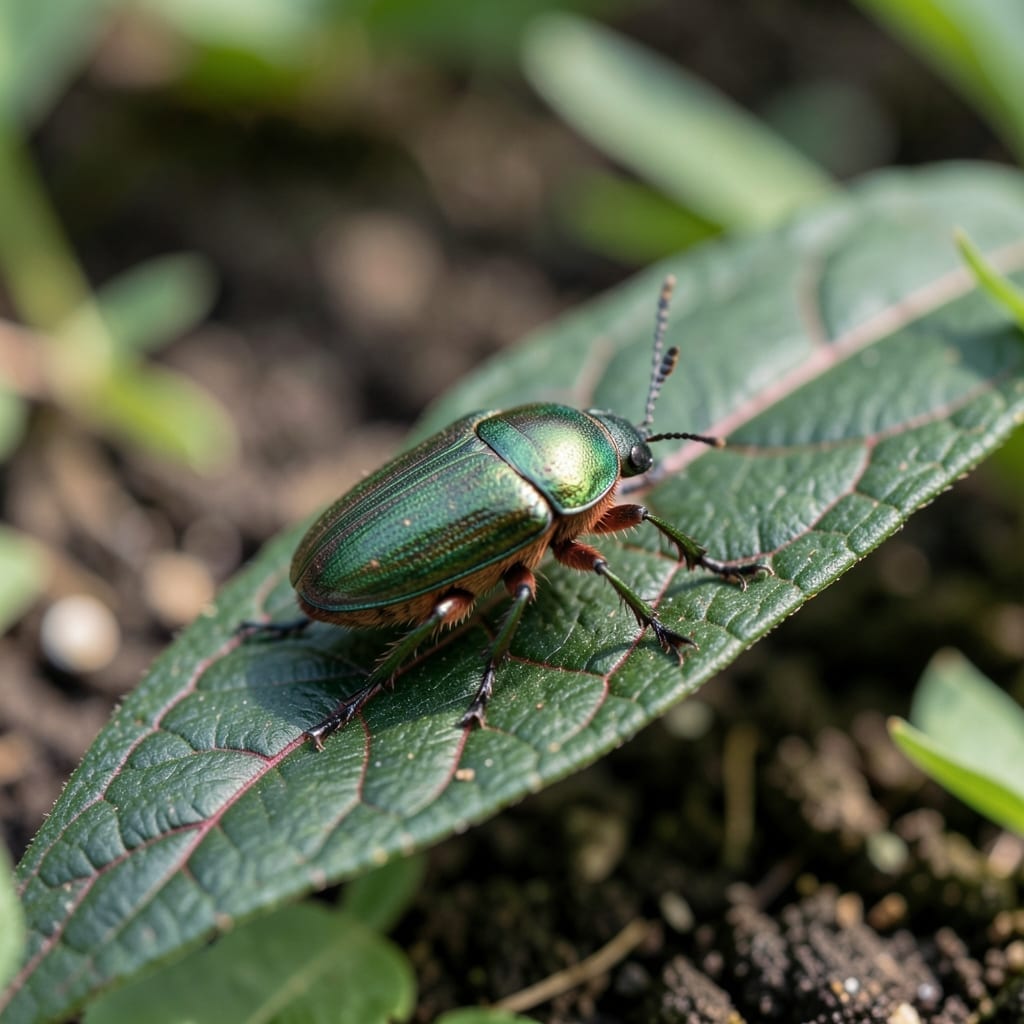
Brown patches appeared overnight in my lawn last summer. Turns out, chafer beetle larvae were feasting underground on grass roots, leaving dead patches that pull up like loose carpet.
Here’s the thing—these grubs start small but multiply fast. I spotted them first by peeling back damaged turf to reveal white, C-shaped larvae curled in the soil. The damage spreads as they grow.
You can treat this naturally with beneficial nematodes or go chemical with targeted grubs killers. Either way, timing matters—apply when larvae are young and actively feeding.
Prevention is simpler than cure: aerate in spring, remove thatch, and keep the lawn healthy. Strong grass resists these pests better than weak, stressed turf.
Understanding why chafer beetle larvae damage grass starts with their life cycle and feeding habits. These pests thrive in healthy lawns, but their presence often goes unnoticed until the damage is severe. Below are the primary causes of the problem, explained scientifically yet clearly.
Chafer beetle larvae, often called grubs, feed voraciously on grass roots just below the soil surface. This weakens the turf, causing it to turn yellow or brown and pull up easily, as if it were loosely attached. The grubs target the root system, disrupting the grass’s ability to absorb water and nutrients.
Grubs prefer moist, well-aerated soil rich in organic matter, which is common in well-maintained lawns. Warm, dry summers followed by mild winters create ideal conditions for their survival and reproduction. Overwatered or heavily fertilized lawns can also attract adult beetles, which lay eggs that hatch into root-feeding larvae.
Adult chafer beetles lay eggs in the soil during late spring or early summer. These eggs hatch into larvae within weeks, and the new grubs immediately begin feeding on grass roots. The more adults present, the higher the likelihood of widespread larval damage. Lawns near gardens or wooded areas are particularly vulnerable due to higher beetle activity.
In ecosystems where natural predators like birds, nematodes, or parasitic wasps are absent, chafer beetle populations can grow unchecked. Modern lawn care practices, such as frequent mowing or pesticide use, often reduce these predator populations, allowing grubs to thrive and cause extensive damage.
When chafer beetle larvae start feasting on your grass roots, quick action can save your lawn. Below are targeted solutions for each stage of the problem, plus ways to keep these pests from returning.
If you notice small, yellowing patches, act fast. Water deeply to encourage root recovery and apply a natural nematode treatment (like Heterorhabditis bacteriophora) to target grubs in the soil. These microscopic worms hunt and kill larvae without harming plants or pets.
Prevention tip: 💡 Aerate your lawn in early summer to disrupt beetle laying cycles and improve soil health.
For widespread browning, dethatch and overseed to repair damaged areas. Use a grub-specific insecticide (like imidacloprid) if nematodes aren’t enough—apply in late summer when larvae are young and vulnerable. Always follow label instructions to avoid harming beneficial insects.
Prevention tip: 🌡️ Monitor soil moisture; chafer beetles prefer dry, compacted soil, so keep your lawn consistently hydrated.
If beetles return yearly, introduce natural predators like birds or toads by adding a water source or birdhouses. Apply milky spore (Bacillus popilliae) to infect and kill grubs over time—this bacterial treatment builds up in the soil for long-term control.
Prevention tip: ✨ Rotate treatments yearly to prevent resistance and maintain a balanced ecosystem.
With these steps, you can restore your lawn’s health and keep chafer beetles from making a comeback.
Peel back a section of damaged turf—if it lifts like a loose carpet, grubs are likely present. Look for white, C-shaped larvae in the top 1-2 inches of soil. Brown patches that spread quickly are another sign.
Apply treatments in late summer or early fall when young grubs are actively feeding near the surface. This timing maximizes effectiveness before they burrow deeper. Avoid treating in winter or spring.
Most grub-specific insecticides are safe once dry, but keep pets off the lawn for 24-48 hours after application. Natural options like nematodes or milky spore pose no risk to animals.
Recurring infestations often mean your lawn lacks natural predators or has ideal conditions for beetles. Introduce birdhouses or reduce thatch to disrupt their life cycle.