
Beautiful Plants For Your Interior
Beautiful Plants For Your Interior
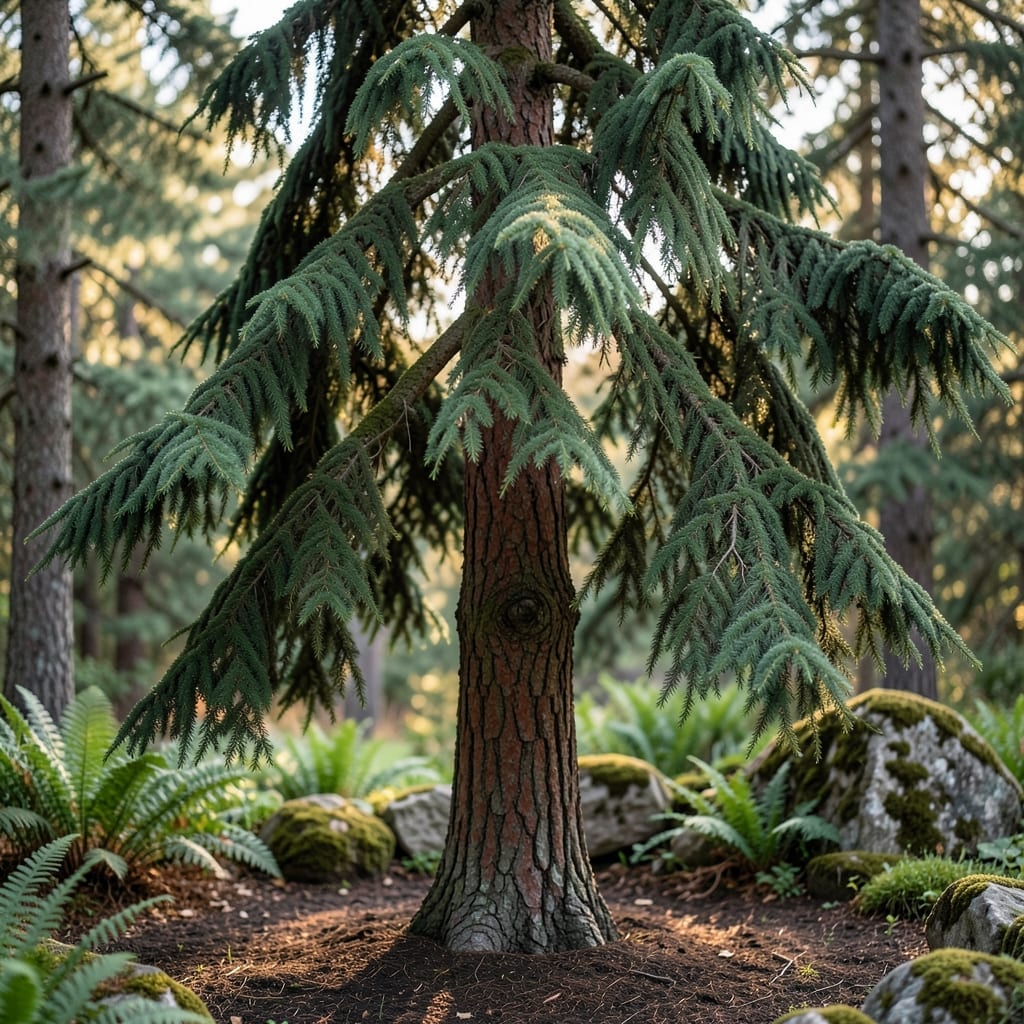
Nothing stops your heart like seeing your cedar’s branches turn brown overnight. I’ve watched this happen to trees that looked healthy just 24 hours earlier, and the causes are more predictable than you’d think.
Flagging usually stems from stress—whether it’s a fungal invader, bone-dry soil, or that “helpful” pruning job that went too far. The tree’s response is dramatic: entire sections brown and drop needles as if surrendering to the damage.
Here’s the thing—most cases are reversible if you catch them early. Better drainage, targeted watering, or a simple fungicide application can turn the tide. I’ve saved half a dozen cedars this way.
The fix starts with proper diagnosis, then precise action. Your tree’s recovery might surprise you.
Cedar tree flagging—when branches suddenly turn brown and shed needles—is often a distress signal. The causes range from environmental stressors to pests and diseases. Below are the most common triggers, explained in clear, actionable terms.
Cedars thrive in consistent moisture. Prolonged drought or extreme heat disrupts their ability to absorb water, leading to xylem cavitation—where air bubbles block water transport in the tree’s vascular system. Needles desiccate and turn brown, often starting at the top or outer branches. Deep, infrequent watering (1–2 inches per week) during dry spells can prevent this.
Pathogens like Kabatina or Cercospora fungi target stressed cedars, causing needle blight. Infected needles develop yellow or purple-brown lesions before dropping. These fungi thrive in wet, poorly ventilated conditions. Improve airflow by pruning dense foliage, and apply copper-based fungicides in early spring as a preventive measure.
Sap-sucking pests like spider mites and bagworms drain cedars of vital nutrients. Spider mites leave fine webbing and speckled needles, while bagworms create silk cocoons that resemble small cones. A strong horticultural oil spray or insecticidal soap can control mild infestations. For severe cases, use systemic insecticides containing imidacloprid.
Harsh winters with freeze-thaw cycles or desiccating winds can damage cedar foliage. Needles may turn rusty brown in late winter or early spring, a condition called winter burn. Protect vulnerable trees with burlap screens and ensure they’re well-hydrated before the ground freezes. Anti-desiccant sprays can also reduce moisture loss.
Compacted or waterlogged soil suffocates roots, while nutrient deficiencies (especially magnesium or iron) can cause chlorosis (yellowing) followed by browning. Test soil pH—cedars prefer slightly acidic to neutral (6.0–7.0). Amend heavy clay with organic matter, and fertilize with a balanced, slow-release formula if deficits are confirmed.
Flagging in cedar trees is often fixable with the right care. Below are targeted solutions for common causes, along with prevention tips to keep your trees thriving.
If dry soil is the culprit, give your cedar a slow, deep watering at the base (not the needles) to encourage root growth. Use a soaker hose or drip irrigation for 30–45 minutes, 1–2 times per week during dry spells. Prevention tip: 💡 Mulch around the base with 2–3 inches of organic material to retain moisture.
For fungal issues like Phomopsis or Kabatina, remove and destroy infected branches with sterile pruners. Apply a copper-based fungicide in early spring and again after heavy rains. Prevention tip: ✨ Improve airflow by thinning crowded branches and avoiding overhead watering.
Spider mites or bark beetles? Blast them off with a strong stream of water, then apply horticultural oil or insecticidal soap. For severe cases, use a systemic insecticide labeled for conifers. Prevention tip: 🎯 Inspect trees regularly, especially in hot, dry weather when pests thrive.
If flagging follows extreme heat, frost, or transplanting, protect the tree with burlap wraps in winter or shade cloth in summer. Keep the soil consistently moist (not soggy) to reduce stress. Prevention tip: 🌡️ Plant cedars in well-draining soil and choose varieties suited to your climate.
Yellowing needles may signal a lack of nitrogen or iron. Use a slow-release, balanced fertilizer (10-10-10) in early spring, or apply chelated iron for chlorosis. Prevention tip: 📊 Test soil every 2–3 years to monitor nutrient levels.
Pro tip: Always sanitize tools between cuts to avoid spreading disease, and avoid heavy pruning—cedars recover slowly from drastic trimming.
Look for brown needles starting at the top or outer branches. The soil will feel dry 2-3 inches down. Deep watering often revives the tree within 2-3 weeks if caught early.
Only if you remove dead branches. Avoid heavy pruning—cedars struggle to regrow. Always use sterile tools and prune in early spring for best results.
Yes! Waterlogged soil suffocates roots, leading to browning. Check drainage and let soil dry slightly between waterings. Well-draining soil is key.
Use copper-based fungicide in early spring and after heavy rains. Prevents fungal spores from taking hold during wet seasons.