
Beautiful Plants For Your Interior
Beautiful Plants For Your Interior
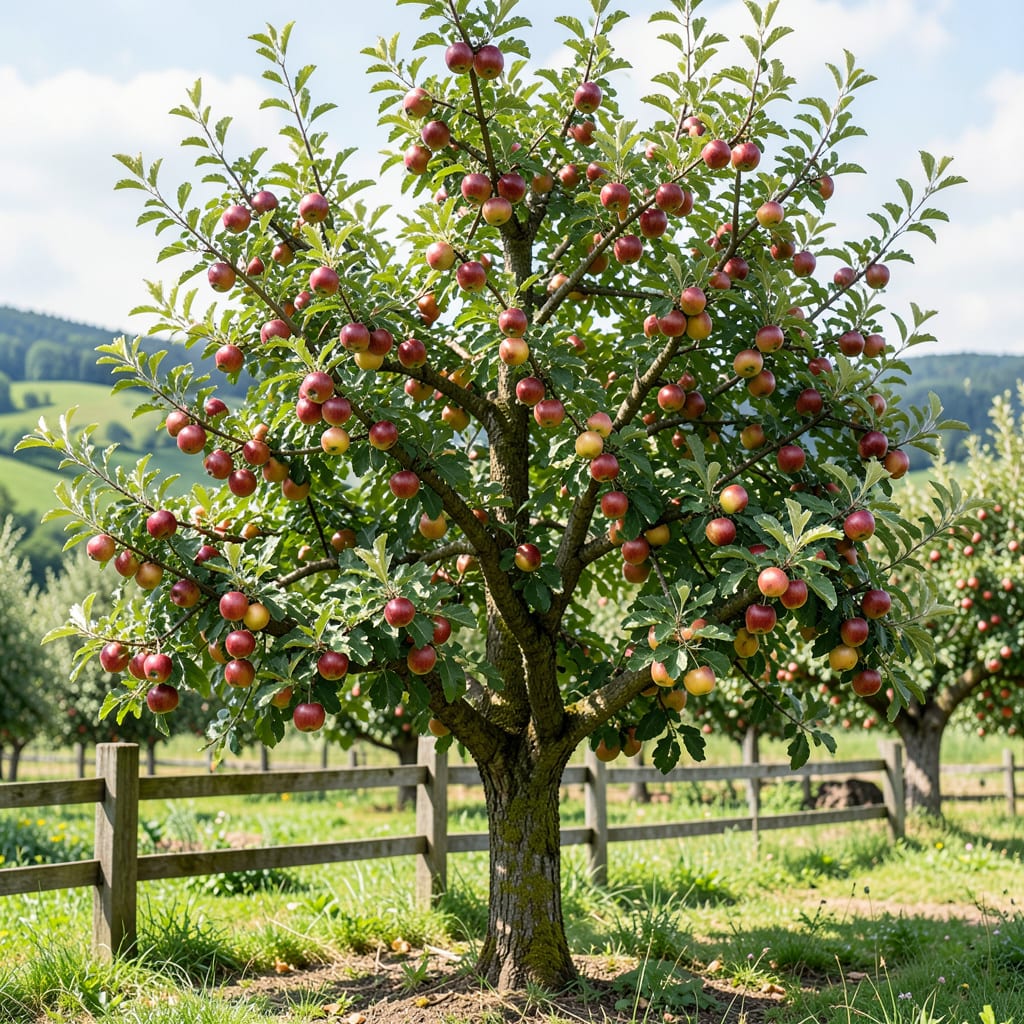
I lost my first apple tree to cedar rust after three frustrating seasons. The orange galls, the leaf spots—it was heartbreaking to watch a healthy tree decline that fast.
These disease-resistant varieties changed everything. They thrive without constant spraying, produce reliable harvests, and actually look better than non-resistant types. Plant once, enjoy for decades.
📚 In This Guide
This method ensures healthy trees that resist disease from day one in your orchard.
Choose a site with full sun exposure—at least 6-8 hours of direct sunlight daily. Apple trees thrive in well-draining soil with a pH between 6.0 and 7.0. Avoid low-lying areas where cold air or frost pockets can settle, as these conditions stress young trees.
Test soil drainage by digging a 12-inch deep hole and filling it with water. If it drains within 1-2 hours, the site is suitable. Poor drainage leads to root rot, which even disease-resistant varieties can’t overcome.
Dig a hole that is twice as wide as the root ball but no deeper. The extra width encourages lateral root growth, which stabilizes the tree faster. Loosen the soil at the sides of the hole to allow roots to penetrate the surrounding earth easily.
Remove any grass, weeds, or debris from the site. These compete for nutrients and water. If your soil is heavy clay, mix in a 50% blend of compost to improve structure and fertility before planting.
Place the tree in the hole, ensuring the graft union (the visible bump near the base) sits 2-3 inches above the soil line. This prevents the graft from being buried, which can cause the tree to revert to its less desirable rootstock traits.
Backfill the hole with native soil, tamping it down gently to eliminate air pockets. Water thoroughly after planting to settle the soil around the roots. Stake the tree only if it’s in a windy location—most cedar rust resistant varieties establish quickly without support.
Apply a 3-4 inch layer of organic mulch, such as wood chips or straw, around the base of the tree. Keep the mulch 6 inches away from the trunk to prevent moisture buildup against the bark, which can lead to rot or pest issues.
Water deeply once a week for the first month, then taper to every 10-14 days unless rainfall provides an inch of water weekly. Overwatering is just as harmful as drought, so check soil moisture 2 inches down—it should feel damp but not soggy.
Inspect leaves regularly for signs of cedar apple rust, such as orange spots or galls. Even resistant varieties benefit from vigilance. Prune any infected branches immediately with sterilized tools to prevent spread.
Fertilize lightly in early spring with a balanced 10-10-10 formula, but avoid over-fertilizing, which can reduce the tree’s natural resistance. Thin fruit in late spring to improve air circulation, which further deters fungal diseases.
Planting disease-resistant apple trees correctly prevents years of frustration down the road.
The Sunlight Requirement: Those 6-8 hours of direct sunlight aren’t just ideal—they’re essential for fruit production and disease resistance. I’ve seen trees in partial shade produce sparse, low-quality fruit that’s more susceptible to fungal issues. Don’t compromise on this requirement, even if it means waiting to plant until you’ve found the perfect spot.
Drainage Test Insight: The 1-2 hour drainage test in Step 1 reveals more than just water movement—it shows how your soil will behave during heavy rains. If water sits longer, consider raised beds or amending with sand and compost. Poor drainage is the silent killer of even the most resilient apple varieties.
Graft Union Placement: Keeping that graft union 2-3 inches above soil level isn’t just about aesthetics. Buried grafts can lead to suckering from the rootstock, which produces inferior fruit. I learned this the hard way after losing a season’s growth to aggressive suckers that overtook my tree.
Mulching Technique: That 6-inch gap between mulch and trunk in Step 4 prevents two major problems: bark rot and rodent damage. I use a flat shovel to create a clean ring around the base, then apply the 3-4 inch mulch layer. This simple step has saved me from both voles and fungal infections.
Popular picks include Liberty, Freedom, and Akane. These varieties are bred to fend off cedar apple rust, a common fungal disease, while still producing delicious fruit. Always check local nursery recommendations for your climate zone.
Early spring or fall is ideal, as it allows roots to establish before extreme heat or cold. Avoid planting in summer, as young trees may struggle with heat stress and require more frequent watering.
While resistant varieties are less susceptible, they aren’t 100% immune. Good orchard hygiene, like removing nearby juniper hosts and fallen leaves, helps minimize risk. Regular scouting for symptoms is key!
Consider disease-resistant crabapples or non-apple fruit trees like pears or plums. If you’re committed to apples, stick to highly resistant varieties and apply preventative fungicides as a backup.
