
Beautiful Plants For Your Interior
Beautiful Plants For Your Interior
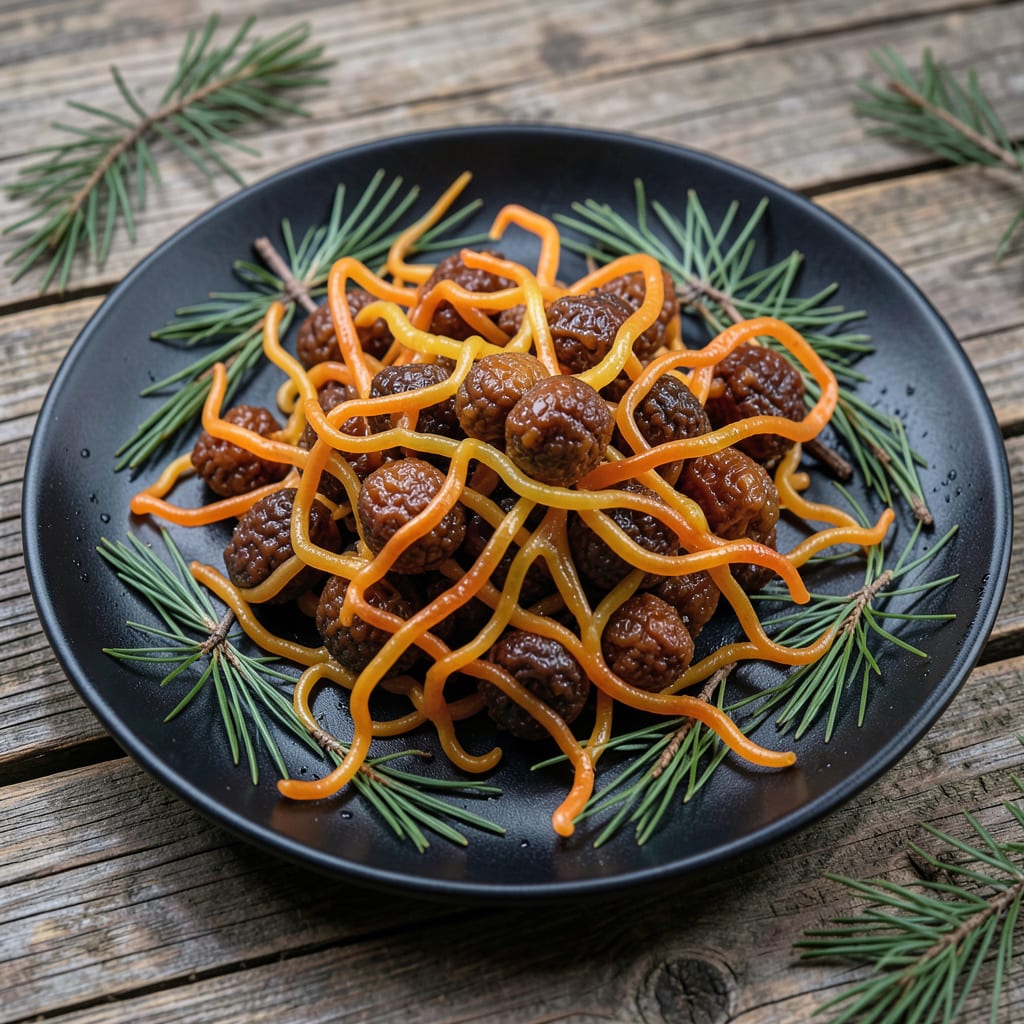
That orange jelly-like mess on your cedar? It’s spreading to your apples. Cedar apple rust fungus jumps between these plants, leaving spots on leaves and deformed fruit that drop way too soon.
I first noticed it when my apple tree’s leaves looked like they’d been splattered with paint. By the time I acted, half my crop was already ruined. The key is catching those bright orange galls on cedars before they release spores in spring.
Organic removal means pruning infected branches 2-3 inches below the gall and cleaning up every last fallen leaf. It’s tedious but it works—no chemicals needed.
Works for both cedars and apples, and keeps the cycle from starting again next season. Here’s how to stop it in its tracks.
The development of cedar apple rust fungus is driven by a complex life cycle that requires two host plants: juniper species (like cedars) and apple or crabapple trees. Understanding these causes helps prevent and manage outbreaks effectively.
This fungus (Gymnosporangium juniperi-virginianae) cannot complete its life cycle on a single host. It alternates between junipers (where it overwinters) and apple trees (where it causes leaf spots and fruit deformities). Without both hosts nearby, the fungus struggles to spread. Actionable tip: Remove one host type (e.g., nearby cedars) to break the cycle.
Spores released from juniper galls in early spring require moisture to infect apple trees. Prolonged rain or high humidity (especially during bud break) accelerates spore germination. Prevention: Prune junipers in late winter to remove galls before spring rains.
Warm temperatures (55–75°F) combined with wetness create ideal conditions for infection. The fungus’s spores germinate rapidly in this range, increasing the risk of severe outbreaks. Monitoring: Use weather forecasts to time protective fungicide sprays (e.g., copper-based) before infection periods.
Dense plantings of apple trees or overgrown junipers trap moisture, fostering fungal growth. Solution: Thin out branches to improve airflow and reduce leaf wetness duration.
Combating cedar apple rust fungus requires a mix of immediate action and long-term prevention. Here’s how to tackle it effectively:
Prune and destroy all infected leaves, fruits, and branches as soon as you spot the orange gelatinous galls or leaf spots. Use sterilized pruning shears to avoid spreading spores. Bag and dispose of the debris—never compost it, as the fungus can survive and reinfect your trees.
Apply organic fungicides like neem oil, sulfur, or copper-based sprays at key times:
The fungus alternates between cedar (juniper) and apple hosts. Remove nearby cedar or juniper trees if possible, or at least prune out the bright orange galls on them before they release spores in spring. This disrupts the fungus’s ability to spread.
Prevention is easier than cure:
Look for bright orange, jelly-like galls on cedars in spring or yellow-orange leaf spots on apple trees. Infected fruit may be deformed or drop early. Check both hosts since the fungus jumps between them.
Yes, but act fast. Prune infected branches 2-3 inches below damaged areas and apply organic fungicides like neem oil. Remove all fallen leaves to prevent reinfection.
Late winter is ideal, before the orange galls release spores in spring. Always sterilize pruning tools with rubbing alcohol between cuts to avoid spreading the fungus.
