
Beautiful Plants For Your Interior
Beautiful Plants For Your Interior
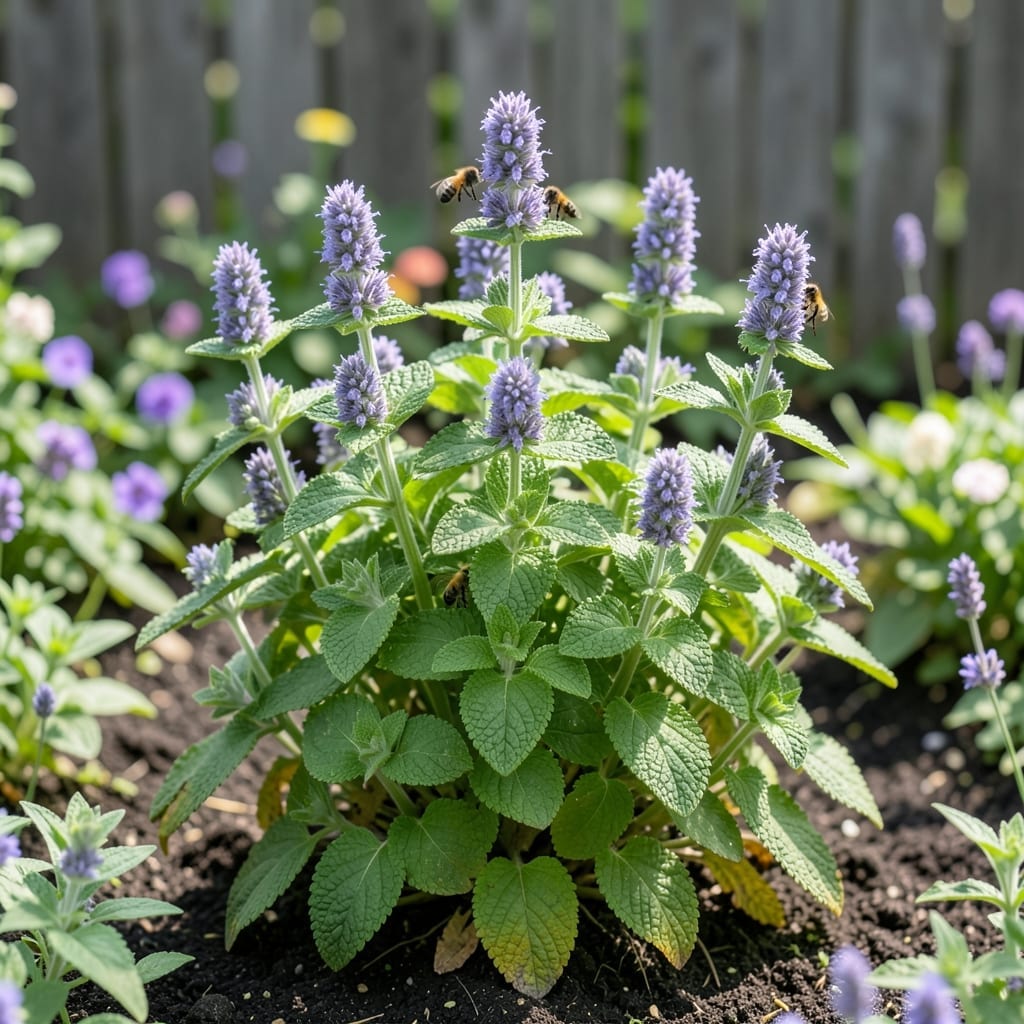
Wondering whether your 🌿 Catmint thrives in full sun or partial shade? The right light conditions can make the difference between lackluster growth and vibrant, long-lasting blooms.
I’ve seen firsthand how proper lighting transforms Catmint from a struggling plant to a garden showstopper. It’s not just about survival – it’s about helping your Catmint reach its full potential.
Discover the ideal balance of sunlight and shade that will have your Catmint flourishing with lush foliage and abundant flowers. Let’s get started.
 Best Window Placement
If you’re growing catmint, understanding its light needs is crucial. In my experience, catmint thrives in full sun but can tolerate partial shade, especially in hot climates. This versatile perennial typically prefers 6-8 hours of direct sunlight daily.
However, in regions with intense afternoon sun, a bit of shade can prevent leaf scorch. The key is balance—too much shade leads to leggy growth and fewer blooms, while too little can stress the plant. I’ve found catmint performs best with morning sun and afternoon shade in warmer zones.
| Requirement | Specification |
|---|---|
| Ideal Light | Full Sun to Partial Shade |
| Sunlight Hours | 4-6 hours daily |
| Best Window | South-Facing |
| Shade Tolerance | Moderate |
I’ve noticed that catmint in full sun produces the most vibrant blooms and compact growth. The lavender-blue flowers seem to pop against the silvery-green foliage when the plant gets plenty of light. This is especially true for varieties like ‘Walker’s Low’ or ‘Six Hills Giant’.
In partial shade, catmint still grows well but may stretch toward the light, resulting in a less bushy appearance. If your garden has dappled shade, catmint will adapt, though flowering might be slightly reduced. I recommend planting it where it gets at least 4 hours of sun for the best results.
For those in hot climates, like USDA zones 8-9, afternoon shade can be beneficial. I’ve seen catmint wilt under the scorching midday sun without some relief. A spot with morning sun and afternoon shade works wonders in these areas.
If you’re growing catmint in containers, you have more control over its light exposure. I suggest moving pots to follow the sun or provide shade as needed. This flexibility is one reason catmint is great for patio gardens.
Soil drainage also plays a role in how catmint handles light. In well-draining soil, the plant can better withstand full sun without stress. If your soil retains too much moisture, root rot can become an issue, especially in shadier spots.
In my garden, I’ve paired catmint with other sun-loving perennials like lavender and Russian sage. This combination not only looks stunning but also ensures all plants receive the light they need to thrive. Catmint’s drought tolerance makes it a low-maintenance choice for sunny borders.
Remember, observing your catmint is the best way to gauge its light needs. If it’s thriving with abundant blooms, you’ve found the sweet spot. If it looks leggy or sparse, it might need more sun. Adjust as needed, and your catmint will reward you with season-long color and fragrance 🌿
Growing catmint successfully depends on matching its light needs to your garden’s conditions. I’ve found this adaptable plant does well in various scenarios with a few smart adjustments. The key is understanding how to optimize its environment.
In my experience, catmint in full sun rewards you with the most abundant blooms and compact growth. But even in less-than-ideal light, you can coax beautiful results with the right approach.
For partial shade gardens, I recommend planting catmint near the sunniest edge of the area. This ensures it gets the minimum 4 hours of light it needs. I’ve had success with catmint under high-canopied trees where dappled light filters through.
In full sun locations, catmint pairs beautifully with other drought-tolerant plants like Russian sage and lavender. This combination creates a low-maintenance, water-wise garden that thrives in bright conditions. I love how the silvery foliage of these plants complements each other.
If your catmint is in too much shade, you might notice it stretching toward the light. To fix this, I suggest pruning back the leggy stems to encourage fuller growth. You can also relocate the plant to a sunnier spot if possible.
Remember that soil quality affects how well catmint handles different light conditions. In poor soil, even full sun plants may struggle. I always amend my planting areas with compost before adding catmint to give it the best start 🌿