
Beautiful Plants For Your Interior
Beautiful Plants For Your Interior
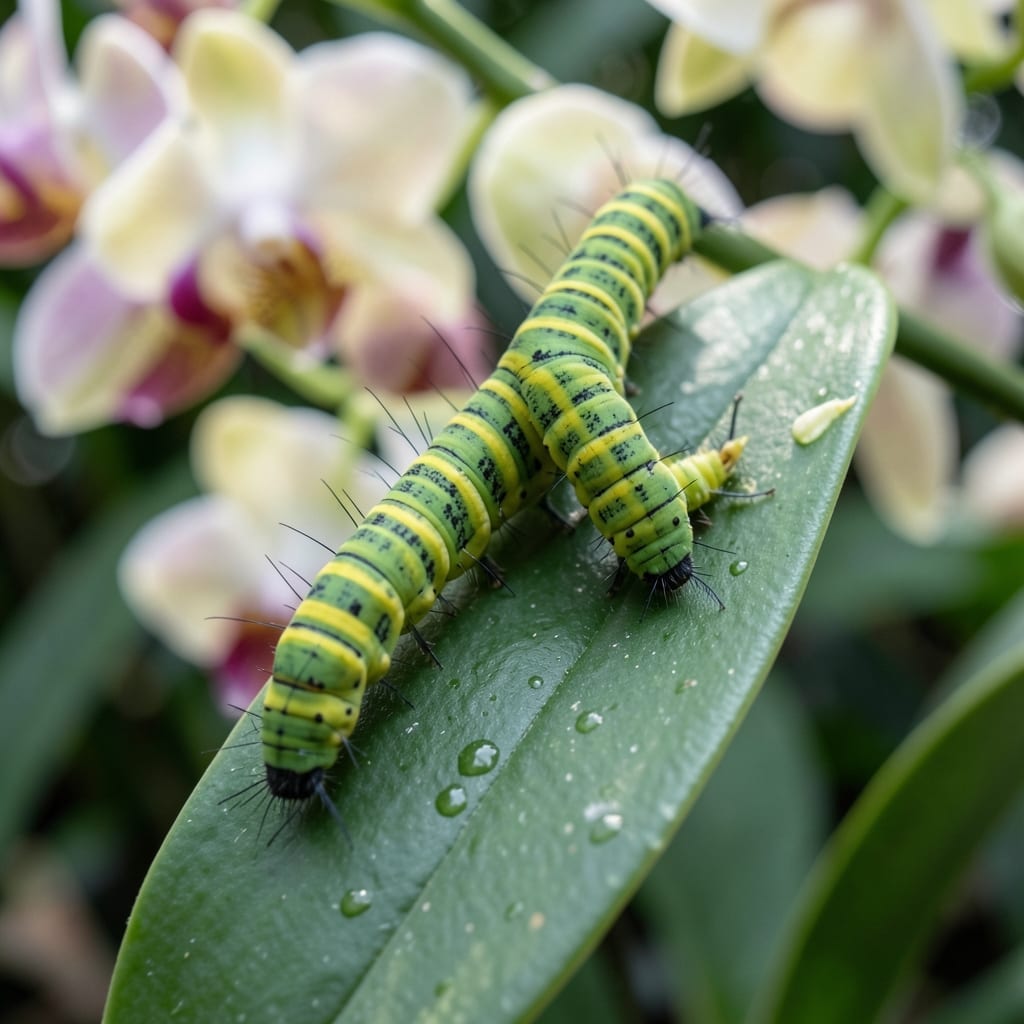
I spotted my first orchid caterpillar last spring, and let me tell you, it was not a pretty sight. These pests can sneak in and do serious damage before you even notice.
Here’s the thing—caterpillars on orchids often look like tiny green or brown worms, and they love munching on leaves and flowers. They usually appear when plants are stressed or in warm, humid conditions.
You can remove them by hand daily or use organic sprays like neem oil. Prevention is key: keep your orchids healthy and inspect them weekly during growing season.
Works for all orchid types, from phalaenopsis to cattleyas. Let’s get rid of these uninvited guests for good.
Caterpillars may seem like harmless garden visitors, but their presence on orchids can lead to significant damage. Understanding why they are drawn to these delicate plants is the first step in effective prevention and control.
Orchids, with their lush foliage and vibrant blooms, provide an ideal environment for caterpillars. Many caterpillar species naturally feed on plant leaves, and orchids are no exception. The tender leaves and nutrient-rich tissues of orchids make them a prime food source for larvae, especially in warm, humid climates where both orchids and caterpillars thrive.
Indoor orchids or those grown in controlled environments often lack natural predators like birds, parasitic wasps, or ground beetles that would typically keep caterpillar populations in check. Without these predators, caterpillars can multiply rapidly, leading to infestations that are harder to control.
Orchids require consistent moisture and humidity to flourish, conditions that also appeal to caterpillars. The damp environment around orchids—especially in potting mixes with organic matter—creates a cozy shelter for caterpillar eggs and larvae. This moisture retention can inadvertently encourage caterpillars to lay eggs on or near the plant.
Stressed orchids, whether from overwatering, poor nutrition, or environmental factors, emit chemical signals that can attract pests, including caterpillars. These plants may produce volatile organic compounds (VOCs) that caterpillars detect as a sign of a vulnerable, easy-to-consume host. Keeping orchids healthy reduces these chemical cues and makes them less appealing to pests.
Dealing with caterpillars on your orchids doesn’t have to be a losing battle. Here’s how to tackle the issue head-on with practical, organic solutions.
For small infestations, the simplest fix is to remove caterpillars by hand. Wear gloves and check the undersides of leaves, stems, and flower buds. Drop them into a bucket of soapy water to ensure they don’t return. Prevention tip: 💡 Inspect new plants before bringing them near your orchids to avoid introducing pests.
Neem oil is a natural insecticide that disrupts caterpillar growth and feeding. Mix 1 teaspoon of neem oil with 1 liter of water and a few drops of dish soap (as an emulsifier). Spray the solution on all parts of the orchid, focusing on hidden areas. Repeat every 5–7 days until the pests are gone. Prevention tip: ✨ Apply neem oil preventatively every 2–4 weeks during growing season.
Encourage natural predators like parasitic wasps, lacewings, or ladybugs to keep caterpillar populations in check. You can purchase these beneficial insects from garden centers. Release them in the evening for best results. Prevention tip: 🎯 Plant companion flowers (e.g., marigolds or alyssum) nearby to attract these helpful allies.
Insecticidal soap is gentle on orchids but deadly to soft-bodied pests like caterpillars. Spray ready-made insecticidal soap directly onto the pests until they’re thoroughly coated. Reapply every 4–7 days as needed. Prevention tip: 🌡️ Avoid over-fertilizing, as lush growth can attract more pests.
Caterpillars love hiding in fallen leaves and plant debris. Remove dead leaves, spent blooms, and other organic matter around your orchids regularly. This eliminates hiding spots and reduces the risk of reinfestation. Prevention tip: ⏰ Keep your growing area tidy year-round to deter pests before they appear.
Check undersides of leaves and stems for small green or brown worms. Look for chewed leaves, holes, or silky webbing. Inspect weekly during warm months when they’re most active.
No, neem oil is safe for orchids when diluted properly. Use 1 teaspoon per liter of water with a few drops of dish soap. Test on one leaf first and avoid spraying in direct sunlight.
Handpick caterpillars daily and drop them in soapy water. For larger infestations, use insecticidal soap or neem oil spray. Always treat in the evening for best results.
Yes, they can if eggs remain. Repeat treatments every 5-7 days to break their life cycle. Clean up plant debris to eliminate hiding spots.