
Beautiful Plants For Your Interior
Beautiful Plants For Your Interior
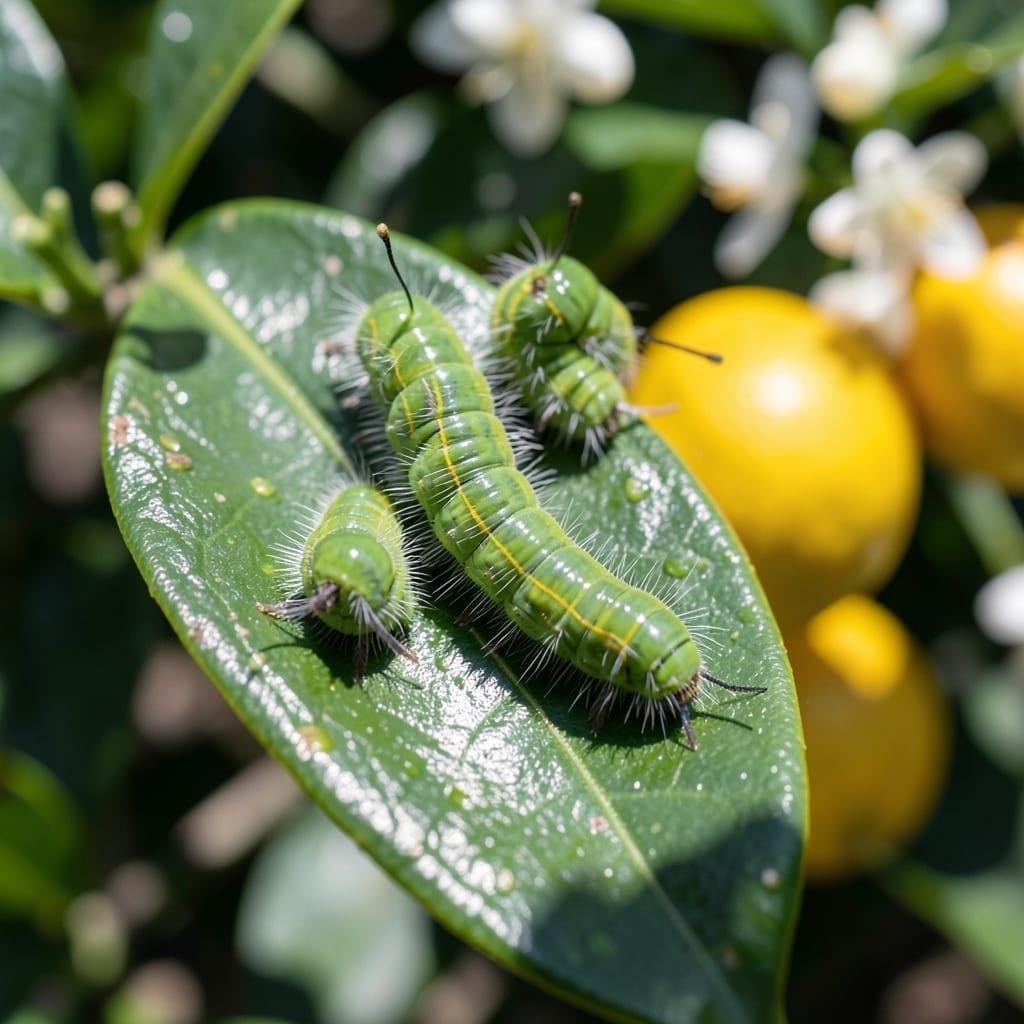
Those leaf-rolling caterpillars on your citrus trees aren’t just ugly—they’re eating your fruit before you can. I lost an entire crop of navel oranges one year before learning this simple trick.
Hand-picking works better than you’d expect, especially in the morning when caterpillars are slower. The key is checking under leaves where they hide during the day, and being consistent for 3-4 days to break their life cycle.
You’ll notice the difference quickly: new growth stops getting chewed overnight, and your trees start looking healthy again. The best part? This method is 100% organic and costs nothing but a little time.
For severe infestations, there are other options, but this is where I always start. It’s the most direct way to protect your citrus without harsh chemicals.
Citrus trees often fall victim to caterpillar infestations due to a combination of environmental and biological factors. Understanding these causes can help you take targeted action to protect your trees.
Many caterpillar species, such as the Citrus Swallowtail and Orangedog, have evolved to thrive on citrus foliage. These pests are naturally drawn to the leaves, flowers, and fruit of citrus trees, which provide an ideal food source for their development. The high nutritional content and chemical composition of citrus make it a prime target.
Citrus trees flourish in warm, subtropical climates—conditions that also favor caterpillar activity. Higher temperatures accelerate their life cycles, leading to faster reproduction and increased feeding. Regions with mild winters and long growing seasons are particularly prone to recurring infestations.
In many garden settings, natural predators like birds, parasitic wasps, or predatory insects are absent or insufficient to control caterpillar populations. Without these checks, caterpillars can multiply unchecked, quickly defoliating citrus trees.
Overgrown or stressed citrus trees are more vulnerable to pests. Dense canopies create sheltered environments where caterpillars can feed undisturbed. Additionally, trees weakened by drought, nutrient deficiencies, or disease are less resistant to infestations.
Dealing with caterpillars on your citrus trees? Here’s how to tackle each issue head-on and keep your plants thriving.
If you spot a few caterpillars, the simplest fix is to remove them by hand. Wear gloves and drop them into a bucket of soapy water to ensure they don’t return. Check the undersides of leaves, where they often hide.
For bigger outbreaks, use neem oil or Bacillus thuringiensis (Bt)—a natural bacteria that targets caterpillars without harming other insects. Spray in the early morning or late evening for best results, and reapply after rain.
Act fast! Caterpillars grow quickly, so early intervention prevents major damage. Inspect your citrus trees weekly during growing season to catch infestations early.
With these steps, your citrus trees will stay healthy and caterpillar-free! ✨
Inspect your citrus trees weekly during the growing season. Caterpillars multiply quickly, so early detection prevents major damage. Focus on new growth and leaf undersides where they hide.
Yes! Birds, ladybugs, and parasitic wasps naturally control caterpillar populations. Plant companion flowers like marigolds or alyssum to encourage these beneficial insects to visit your garden.
Bacillus thuringiensis (Bt) is the safest option—it’s a natural bacteria that targets only caterpillars. Apply in the early morning or evening, and reapply after rain for best results.
Use row covers during peak caterpillar season, but remove them during flowering to allow pollination. This physical barrier works best for young trees or severe infestations.