
Beautiful Plants For Your Interior
Beautiful Plants For Your Interior
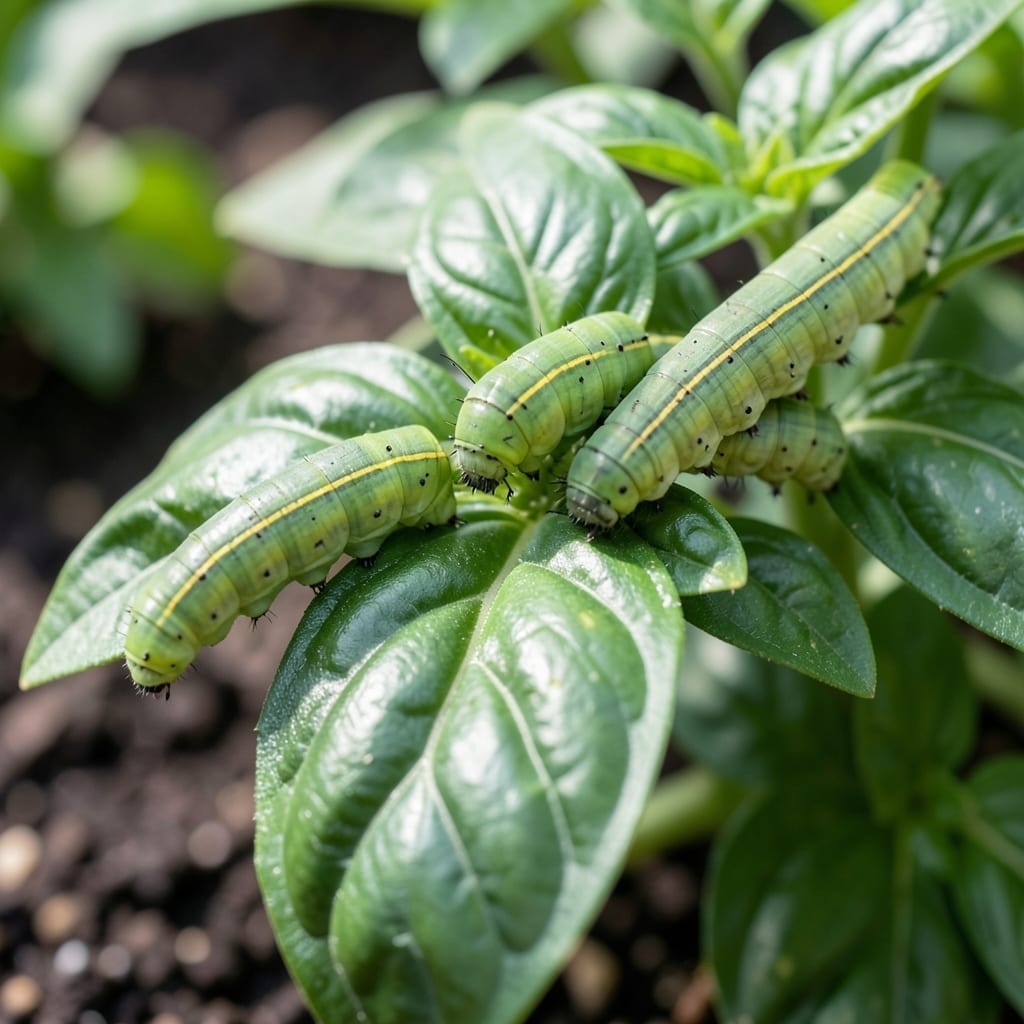
My basil went from lush to lunch in 48 hours. Tiny holes in leaves, then entire stems stripped bare—classic caterpillar damage that sneaks up fast.
Here’s the thing—these pests blend in perfectly, hiding on leaf undersides or camouflaged as part of the plant. I missed them for days until the damage was obvious. The solution is simpler than you think, and it starts with knowing exactly what to look for.
You’ll spot the culprits quickly once you know their hiding spots. Then, natural treatments work fast to evict them without harming your plants or the environment. Basil recovers shockingly well when you act early.
Works in gardens, containers, or windowsills. Let’s kick them out for good.
Basil is a magnet for caterpillars due to several ecological and biological factors. Understanding these causes helps in preventing and managing infestations effectively.
Basil plants emit strong aromatic compounds like eugenol and linalool, which attract certain moth species, such as the common basil moth (Eupoecilia ambiguella). These moths lay eggs on basil leaves, leading to caterpillar hatchings. The plant’s lush, tender foliage provides an ideal food source for larvae, making it a prime target.
In home gardens, natural predators like parasitic wasps, ladybugs, or birds may be absent, allowing caterpillar populations to thrive unchecked. Without these biological controls, basil becomes a vulnerable host for caterpillar infestations.
Excess moisture and nitrogen-rich soils promote rapid, soft growth in basil, which is highly palatable to caterpillars. Overfertilized plants also produce higher levels of amino acids in their leaves, making them even more appealing to egg-laying moths.
Warm, humid weather accelerates moth activity and caterpillar development. Basil grown in late spring to early fall is especially susceptible, as this period aligns with the peak reproductive cycles of many moth species. Additionally, crowded plantings or poor air circulation can create microclimates that favor caterpillar survival.
Dealing with caterpillars on your basil doesn’t have to mean reaching for harsh chemicals. Here’s how to tackle the issue naturally and keep your herbs thriving.
If you spot a few caterpillars, the simplest fix is to handpick them off the leaves. Drop them into a bucket of soapy water to ensure they don’t return. Pro tip: 💡 Wear gloves if you’re squeamish, and check under leaves—they love hiding there!
For a larger infestation, mix 1 teaspoon of mild dish soap with 1 quart of water and spray it directly on the caterpillars. The soap breaks down their protective coating, causing them to dehydrate. Alternatively, neem oil (diluted as per package instructions) disrupts their life cycle. Spray in the early morning or late evening to avoid harming beneficial insects like bees.
Prevent caterpillars from reaching your basil by using row covers or fine mesh netting. This keeps adult butterflies and moths from laying eggs on your plants. Secure the edges with soil or weights to block entry points.
Attract birds, ladybugs, and parasitic wasps—the caterpillar’s natural enemies—by planting companion flowers like marigolds or alyssum nearby. A small bird bath can also invite feathered friends to your garden.
With these steps, your basil will stay lush, fragrant, and caterpillar-free—naturally! ✨
They’re tiny, round, and pale yellow or white. Look closely on leaf undersides where moths prefer to lay them.
Yes, just wash leaves thoroughly with water. If you used soap sprays, rinse well and wait 24 hours before consuming.
Inspect leaves every 2-3 days during warm months. Focus on new growth and undersides where eggs and larvae hide.
Yes! Marigolds and alyssum attract predators that eat caterpillar eggs. Plant them nearby for natural protection.