
Beautiful Plants For Your Interior
Beautiful Plants For Your Interior
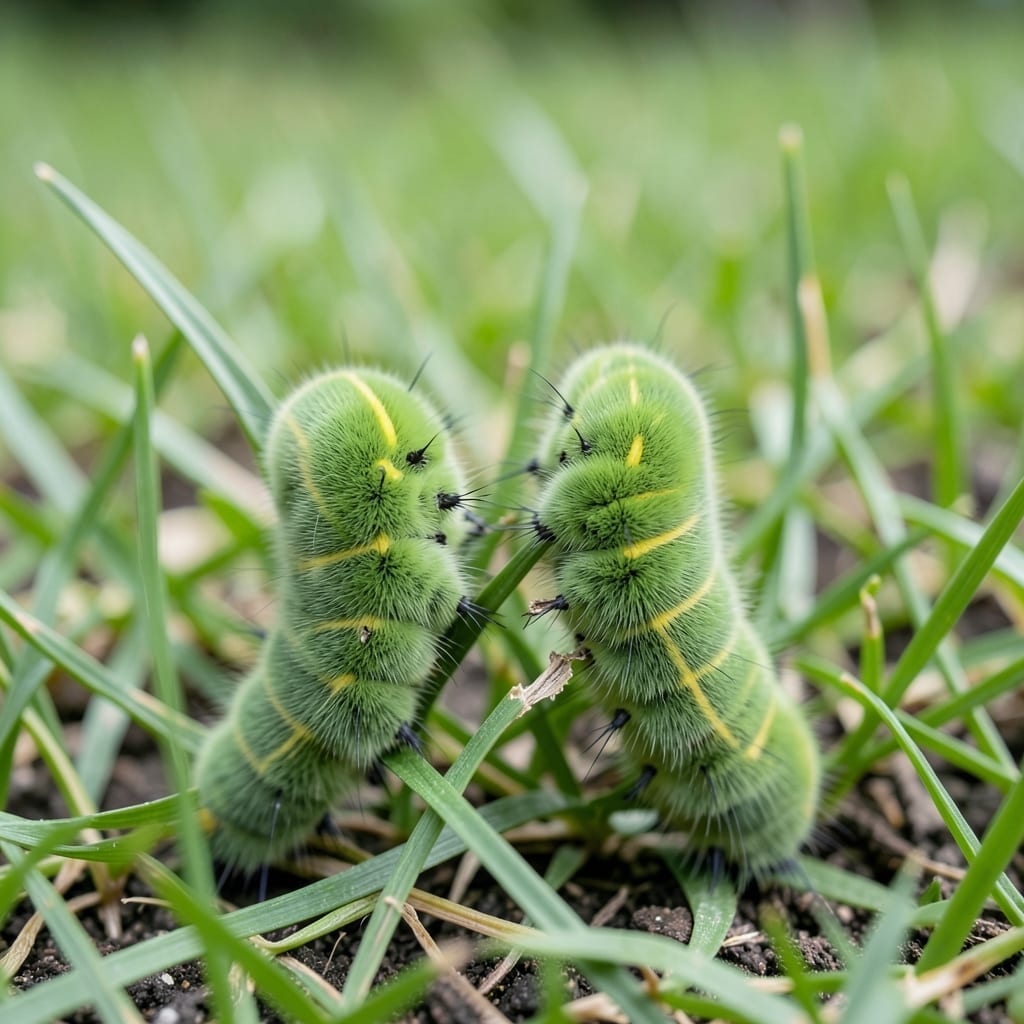
I spotted them first during my morning lawn inspection—chewed blades and tiny black pellets. Caterpillars in grass can turn a lush lawn into a patchy mess faster than you’d expect.
They’re sneaky little pests, hiding during the day and feasting at night. The damage often looks worse than it is, but left unchecked, they’ll multiply and spread. I’ve learned the hard way that early action saves your turf.
A healthy lawn is your first defense, but when they appear, organic removal works surprisingly well. You’ll see results within a week using natural methods that won’t harm your grass or the environment.
No need for harsh chemicals. The solutions are simple, effective, and won’t break the bank.
Caterpillars thrive in grassy areas for several scientific reasons, often tied to their life cycle and environmental needs. Below are the key causes behind their presence in your lawn.
Grass provides a rich, readily available food supply for many caterpillar species. Most caterpillars, like Sod Webworms or Armyworms, feed on grass blades, roots, or thatch. Turfgrass is soft and easy to digest, making it an ideal buffet for developing larvae. The more lush and dense your lawn, the more likely it is to attract egg-laying moths, which seek out these prime feeding grounds for their offspring.
Grass retains moisture and offers a humid microclimate, which many caterpillar species prefer. Thick thatch layers or tall grass provide shelter from predators and harsh weather, creating a safe nursery. Species like Cutworms burrow into the soil beneath grass during the day to avoid desiccation and heat, emerging at night to feed.
Grassy areas often maintain moderate temperatures, especially in the soil just below the surface. This stability is critical for caterpillar eggs to hatch and larvae to develop. Warm, sunny lawns (especially in late spring to early fall) accelerate their metabolism, allowing them to grow rapidly. Cooler, shaded grass may also attract species that avoid extreme heat.
Adult moths lay eggs in grass because it ensures their offspring have immediate access to food upon hatching. Many species, such as Fall Armyworms, target well-maintained lawns because the short, tender grass is easier for newly hatched caterpillars to consume. Over-fertilized lawns with high nitrogen content are particularly appealing, as they produce the soft, nutrient-rich growth caterpillars love.
Dealing with caterpillars in your grass? Here’s how to tackle the issue head-on with practical, organic solutions.
If the caterpillar population is limited, manually remove them. Wear gloves and drop the pests into a bucket of soapy water. This method is chemical-free and works well for small lawns.
This natural bacterial spray targets caterpillars without harming beneficial insects. Mix Bt with water as directed and spray it evenly over the affected grass. Reapply after rain for best results.
Encourage birds, toads, or parasitic wasps to your yard. Install bird feeders or small water sources to attract these caterpillar hunters. Avoid pesticides to keep their population thriving.
A well-kept lawn is less inviting to pests. Mow regularly, remove thatch, and aerate the soil. Healthy grass recovers faster from caterpillar damage.
Prevention Tips:
Look for irregular brown patches or chewed grass blades. Inspect the lawn at dusk or dawn when caterpillars are most active. A simple soap test—mixing 1 tablespoon of dish soap with 1 gallon of water—can bring them to the surface.
Most caterpillar damage is temporary if addressed quickly. Healthy grass recovers within 2-3 weeks of treatment. Severe infestations may require reseeding, but consistent care prevents long-term harm.
Birds, toads, and beneficial insects help, but may not eliminate a large infestation alone. Combine predators with methods like Bt spray or neem oil for best results. Avoid pesticides that harm helpful species.
For organic solutions like Bt, reapply every 1-2 weeks or after heavy rain. Monitor your lawn regularly to catch new outbreaks early. Consistency is key to keeping them away.