
Beautiful Plants For Your Interior
Beautiful Plants For Your Interior
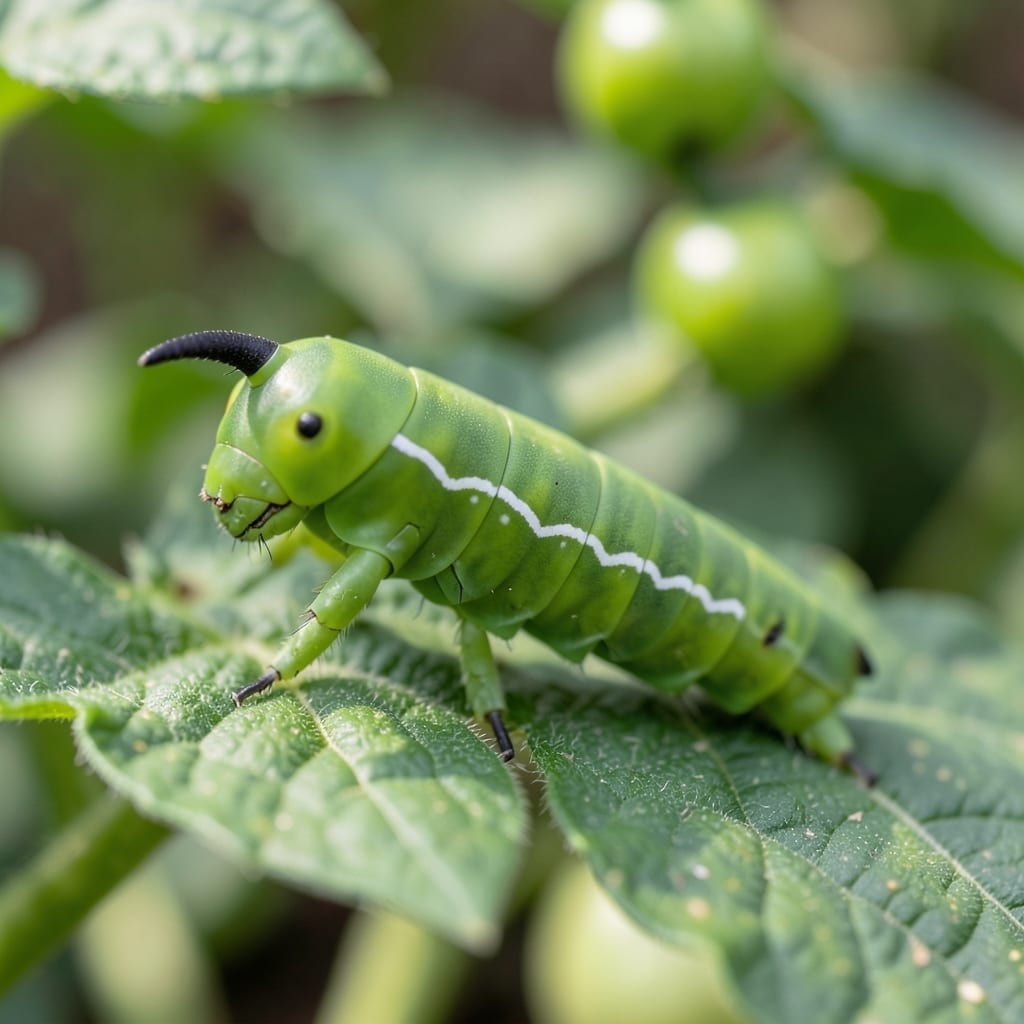
I spotted my first cabbage looper last July—chewing through my kale like it was an all-you-can-eat buffet. 🌿 These hungry caterpillars can devastate a garden overnight if you don’t act fast.
Here’s the thing—most caterpillar damage is preventable. A little vigilance and the right organic methods keep your plants healthy without harsh chemicals. I’ve tested every trick in the book, and the winners are simple and effective.
You’ll learn to spot eggs, remove pests by hand, and use natural predators to your advantage. The best part? Your garden stays productive and chemical-free.
Works for leafy greens, tomatoes, and flowers alike. Let’s protect your harvest the right way.
Caterpillars thrive in gardens due to a few key environmental and ecological factors. Understanding these causes helps you address the issue at its root. Below are the primary reasons why caterpillars may be munching on your plants.
Gardens provide an ideal buffet for caterpillars, especially if you’re growing leafy greens, tomatoes, or other soft vegetation. These pests are naturally drawn to tender, nutrient-rich leaves, which serve as their primary food source. Over-fertilized or rapidly growing plants can also attract more caterpillars, as they signal a high-quality meal.
In balanced ecosystems, birds, parasitic wasps, and other predators keep caterpillar populations in check. However, if your garden lacks biodiversity or uses broad-spectrum pesticides, these natural controls disappear. Without predators, caterpillars reproduce unchecked, leading to infestations.
Caterpillars thrive in warm, moist environments, which speed up their life cycle. Gardens with dense plantings, poor air circulation, or excessive mulch create the perfect habitat. Seasonal spikes in temperature and humidity (common in spring and summer) can also trigger caterpillar outbreaks.
Fallen leaves, plant debris, and weeds offer shelter and breeding grounds for caterpillar eggs. If you leave decaying plant matter in your garden, adult moths or butterflies may lay eggs there, ensuring the next generation of caterpillars has a ready food supply.
Dealing with caterpillars in your garden doesn’t have to mean reaching for harsh chemicals. Here’s how to tackle the problem organically, with simple yet effective solutions for each common cause.
If you spot caterpillars munching on leaves, the easiest fix is to handpick them off early in the morning or evening when they’re most active. Drop them into a bucket of soapy water to ensure they don’t return. Prevention tip: 💡 Inspect plants daily, especially the undersides of leaves where caterpillars love to hide.
Attract birds, ladybugs, and parasitic wasps—natural caterpillar predators—by planting native flowers or setting up a birdbath. Avoid pesticides, which can harm these helpful allies. Prevention tip: 🌡️ Maintain a diverse garden ecosystem to keep predator populations thriving year-round.
Create a garlic or chili pepper spray by blending 2 cloves of garlic or 1 tablespoon of chili powder with 1 liter of water and a few drops of dish soap. Spray this mixture on affected plants to deter caterpillars. Prevention tip: ✨ Reapply after rain and rotate sprays to prevent caterpillars from building resistance.
Use lightweight row covers to shield vulnerable plants, especially seedlings. Secure the edges with soil or rocks to keep caterpillars out. Prevention tip: 🎯 Remove covers during flowering to allow pollination while still protecting young plants.
Plant repellent herbs like mint, thyme, or lavender near susceptible crops. Their strong scents can confuse and deter caterpillars. Prevention tip: 🔥 Rotate companion plants each season to disrupt caterpillar life cycles.
With these methods, you can keep your garden thriving—naturally!
Leafy greens like kale and cabbage are top targets. Tomato plants and broccoli also attract caterpillars frequently. Check the undersides of leaves daily for early signs of trouble.
Inspect plants every morning or evening during growing season. Caterpillars are most active then, making them easier to spot and remove before major damage occurs.
Yes, drop handpicked caterpillars into soapy water to eliminate them. This method is safe for plants and avoids harsh chemicals. Always dispose of them away from your garden.
Remove row covers during flowering to allow pollinators access. Reapply them afterward to continue protecting plants from caterpillars and other pests.