
Beautiful Plants For Your Interior
Beautiful Plants For Your Interior
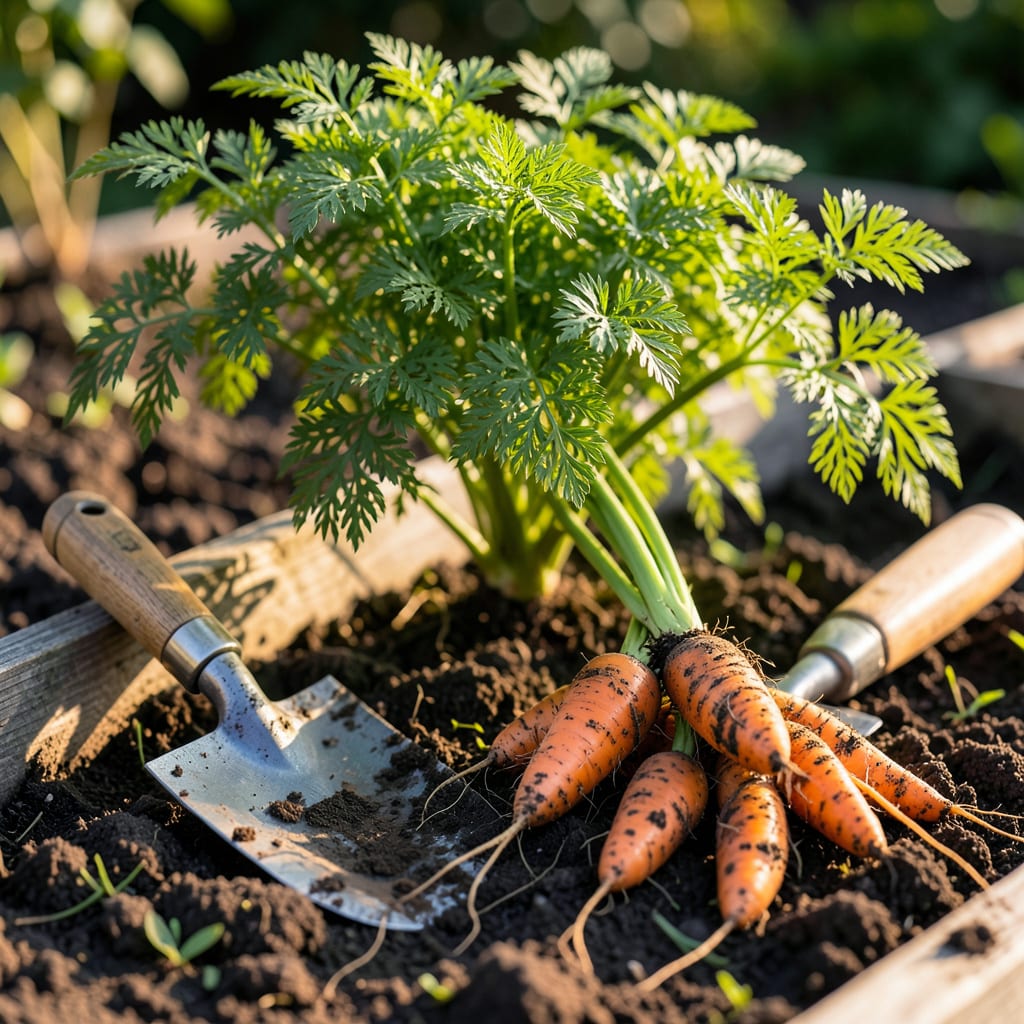
Imagine pulling up sweet, crisp 🥕 Carrot roots from your garden in just 60-90 days. That dream harvest is completely within reach when you understand the growth timeline.
From seed to table, I’ll walk you through the stages and share how to optimize conditions for faster, tastier results. Let’s get those carrots growing right.

Growing carrots from seed to harvest follows a fascinating journey. I’ve found that understanding each growth stage helps me plan and care for my crop more effectively.
The process typically spans 60-90 days, depending on the variety and growing conditions. Each phase has unique needs that impact the final harvest quality.
| Stage | Duration | Key Requirements |
|---|---|---|
| Germination | 7-21 days | Moist soil, 60-68°F |
| Seedling | 3-4 weeks | Thin to 2″, consistent water |
| Root Formation | 4-6 weeks | Loose soil, full sun |
| Maturity | 60-90 days | Check size, harvest when ready |
The germination stage is the most delicate. I always ensure the soil stays moist but not soggy, as carrots need consistent hydration to sprout. A soil temperature of 60-68°F is ideal for quick germination. 🌱
Once sprouted, seedlings require thinning to 2 inches apart. This prevents overcrowding, which can stunt root development. I use a small pair of scissors to snip excess seedlings at soil level.
The root formation phase is when the magic happens. Carrots begin to bulk up, so I make sure the soil remains loose and free of rocks. Full sun and regular watering are key to avoiding misshapen roots.
During this time, I keep an eye out for pests like carrot rust flies. Row covers can help protect the plants without restricting growth. ☀️
Finally, the maturity stage is all about patience. I check for readiness by gently brushing away soil to inspect the carrot shoulders. A diameter of 0.75-1 inch usually means they’re ready.
I’ve learned that variety selection impacts the timeline. For example, ‘Nantes’ carrots mature in about 60 days, while ‘Danvers’ may take up to 90 days. Choosing the right type for your climate is crucial.
To ensure the best results, I always test soil before planting. Carrots thrive in sandy loam with a pH of 6.0-6.8. Amending heavy clay soil with compost improves drainage and root growth. 🌿
Understanding these stages has helped me grow straight, sweet carrots every time. With the right care at each phase, you’ll be pulling up perfect roots in no time.
If you’re eager to enjoy homegrown carrots sooner, I’ve discovered several tricks to shorten the timeline without compromising flavor or texture. It’s all about optimizing conditions from day one.
One of my favorite methods is pre-soaking seeds for 12-24 hours before planting. This jumpstarts germination, potentially cutting 5-7 days off the initial phase. Just be sure to use room-temperature water and plant immediately after soaking.
Row covers are another game-changer. They trap heat, allowing the soil to warm up faster in spring. I’ve seen this method reduce the germination period by nearly a week in cooler climates.
Thinning seedlings to 2 inches apart as soon as they sprout is crucial. Overcrowding forces carrots to compete for nutrients, which slows root development. I use scissors to avoid disturbing the remaining plants.
Selecting fast-maturing varieties can shave off 2-3 weeks. ‘Early Nantes’ and ‘Paris Market’ are excellent choices, often ready in 60 days. These types are bred for speed without sacrificing sweetness.
Finally, consistent watering is key. Carrots need 1 inch of water per week, especially during dry spells. I use a soaker hose to deliver moisture directly to the roots, which prevents waste and promotes steady growth. 🌱
I’ve seen many gardeners struggle with stunted carrots that take forever to mature. Often, it’s due to avoidable mistakes that add weeks to the harvest time.
One of the biggest issues is overcrowding. When seeds are planted too closely, the roots compete for space, resulting in thin, twisted carrots. 🌱
⚠️ Warning: Poor soil prep can turn your 90-day carrots into a 120-day disappointment. Rocks and compacted soil force roots to fork and stunt.
Another common pitfall is inconsistent watering. Carrots need steady moisture to grow uniformly. Too much or too little water causes cracked or bitter roots.
Planting at the wrong depth also slows growth. Seeds should be sown ¼ inch deep—any deeper and they’ll struggle to emerge, delaying the entire timeline.
I always test my soil before planting. Heavy or clay soil should be amended with sand or compost to improve drainage. This simple step prevents many growth issues.
Finally, ignore the foliage color. Yellowing tops often signal readiness, while vibrant green means more time is needed. ✂️
Plant seeds ¼ inch deep in loose, well-drained soil. Any deeper and germination slows, adding 5-10 days to your timeline. Shallow planting ensures quick, even sprouting.
Yes! Use a pot at least 12 inches deep with drainage holes. Fill with sandy loam mix and keep soil moist. Container-grown carrots may mature slightly faster due to controlled conditions.
This usually means overcrowding or compacted soil. Thin to 2 inches apart and amend heavy soil with sand. These fixes prevent twisted, stunted roots.
‘Early Nantes’ and ‘Paris Market’ mature in 60 days. These smaller types are perfect for quick harvests and container growing.
