
Beautiful Plants For Your Interior
Beautiful Plants For Your Interior
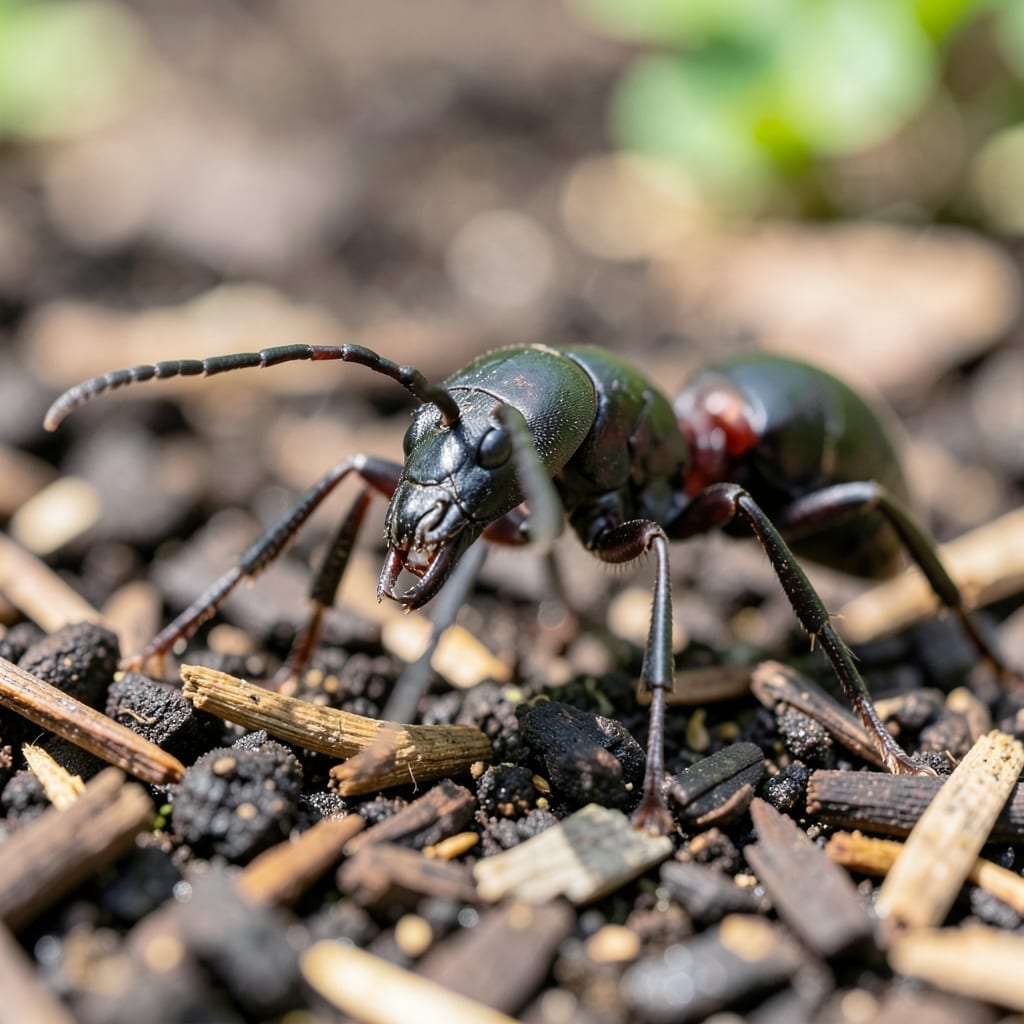
Wood chips turning into an ant hotel? I spotted my first carpenter ant trail last spring and knew something had to change.
These pests don’t eat wood—they excavate it, turning your mulch into a hidden nesting site. The solution starts with understanding why they picked your yard: moisture, shelter, and easy access to food.
You can reclaim your garden without harsh chemicals. Simple changes in mulch type, placement, and maintenance break their life cycle. I’ve tested these methods across three growing seasons with consistent results.
Prevention works better than treatment. Once you know what to look for, keeping them out becomes straightforward and long-lasting.
Carpenter ants are drawn to mulch for several key reasons, all tied to their natural behaviors and environmental needs. Understanding these causes can help you take targeted action to protect your yard.
Mulch retains moisture, creating a damp environment that carpenter ants crave. These insects thrive in humid conditions, as excessive moisture softens wood, making it easier for them to excavate tunnels for their nests. Poorly drained mulch beds or overwatering can exacerbate this issue, turning your landscape into an ant haven.
Mulch, especially organic varieties like wood chips or bark, provides a buffet of decaying plant material. Carpenter ants feed on dead insects, honeydew from aphids, and decomposing wood. As mulch breaks down, it releases nutrients and attracts other insects, offering a steady food supply for ant colonies.
The layered structure of mulch offers insulation and protection from temperature extremes. Carpenter ants seek out cozy, undisturbed spaces to build their satellite nests, and mulch provides the perfect cover. Thick mulch layers (over 3 inches) are particularly inviting, as they shield ants from predators and harsh weather.
If your mulch is piled against wooden structures—like fences, decks, or your home’s foundation—it creates a direct highway for carpenter ants. These pests use mulch as a bridge to access moist or damaged wood, where they can establish larger colonies. Over time, this can lead to structural damage if left unchecked.
Dealing with carpenter ants in mulch requires a mix of immediate action and long-term prevention. Here’s how to tackle the issue based on the root causes:
Carpenter ants love damp environments. Replace thick layers of mulch with a thinner spread (2-3 inches max) to allow better airflow. Use coarse mulch like cedar or pine bark, which resists moisture retention. For existing mulch beds, rake and fluff them regularly to speed up drying. Consider installing a French drain or redirecting downspouts if water pools in the area.
Remove old mulch, leaf litter, and wood piles near your home or garden beds. Replace infested mulch immediately and dispose of it far from your property. Inspect nearby trees and stumps for ant activity—these are prime nesting spots. Keep firewood stacks elevated and at least 20 feet from your house.
Carpenter ants travel between mulch and structures. Apply caulk or sealant to cracks in your foundation, siding, or windows. Trim back shrubs and tree branches that touch your home, as they act as bridges for ants. For existing nests, use boric acid baits near mulch beds to disrupt their trails.
By addressing these key factors, you’ll make your mulch—and your home—far less inviting to carpenter ants. ✨
Moisture, food, and shelter draw them in. Mulch retains water, creating the damp conditions they prefer for nesting. Organic mulch also provides food as it breaks down.
Look for sawdust-like frass near mulch or small holes in wood. You might also spot worker ants carrying food between mulch and nearby structures.
No, it’s best to remove and replace it. Even after treatment, eggs or larvae may remain. Dispose of infested mulch far from your property to prevent reinfestation.
Use coarse cedar or pine bark, which resists moisture. Inorganic options like gravel or rubber work well in high-risk areas.