
Beautiful Plants For Your Interior
Beautiful Plants For Your Interior
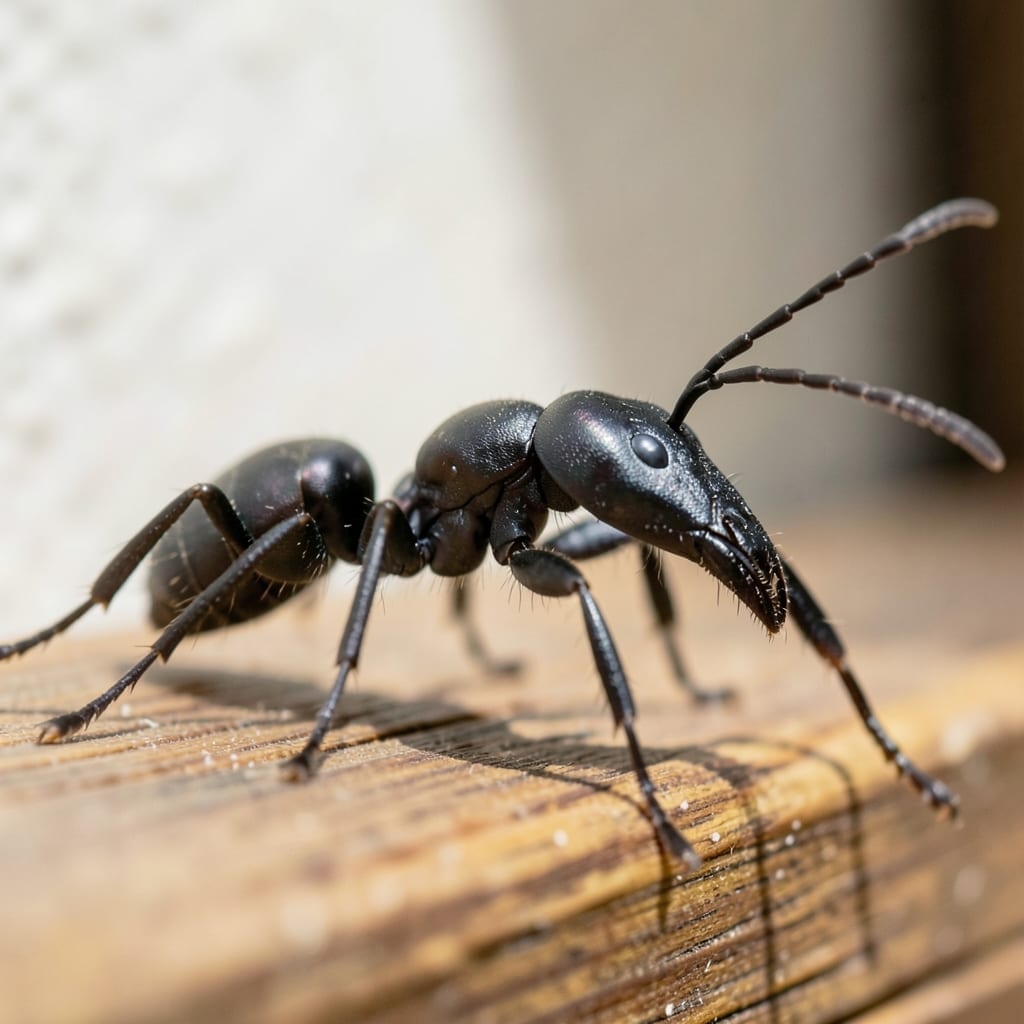
I noticed the first sawdust pile near my windowsill last spring. Tiny wood shavings with no visible source—until I spotted the black ants marching in perfect formation. Carpenter ants had moved in, silently chewing through the frame.
Here’s the thing—these aren’t your average sugar ants. They don’t eat wood, they excavate it to build nests, and a small infestation can turn into a structural problem fast. I learned the hard way that store-bought sprays only scatter them temporarily.
The real solution combines bait stations with moisture control. You’ll see activity drop within 24-48 hours of placing the right bait, and complete elimination takes about 2-3 weeks with consistent effort.
Works for any home, regardless of age or location. This is how to take back your space.
Carpenter ants don’t just wander into your home by accident—they’re drawn in by specific conditions that make your space ideal for nesting and foraging. Understanding these triggers is the first step to reclaiming your home. Here’s why it happens:
Carpenter ants thrive in damp environments, as excess moisture softens wood, making it easier for them to excavate galleries for their colonies. Leaky pipes, poorly ventilated crawl spaces, or water-damaged wood (like window sills or roof eaves) are prime targets. These ants don’t eat wood—they remove it to create nests, and damp wood speeds up the process.
Like all pests, carpenter ants follow the scent of food. They’re particularly attracted to sugary substances (honeydew from aphids, spilled soda, or fruit) and protein-rich foods (pet food, meat scraps, or dead insects). Even crumbs in hard-to-reach areas can sustain a colony, encouraging them to stick around.
Your home’s structure might be unknowingly inviting them in. Carpenter ants exploit cracks in foundations, gaps around utility lines, or damaged wood (like old decks or fence posts touching your house) to gain entry. Once inside, they’ll seek out untreated or weakened wood—such as in attics, basements, or behind walls—to build their nests.
Often, the problem starts outside. Carpenter ants nest in rotting tree stumps, firewood piles, or mulch beds near your home. If these nests are close to your foundation, worker ants will forage indoors for food and water, eventually establishing satellite colonies inside your walls. Proximity to their outdoor habitats makes indoor infestations more likely.
Tackling a carpenter ant infestation starts with identifying the root cause and applying targeted fixes. Below are practical solutions mapped to common causes, along with prevention tips to keep your home ant-free.
Carpenter ants thrive in damp environments. Inspect pipes, sinks, and roofs for leaks, and repair them promptly. Use dehumidifiers in basements or crawl spaces to reduce humidity. Ensure attics and bathrooms are well-ventilated to discourage nesting.
Prevention Tip: 💡 Regularly check for water damage or mold, as these are prime attractants for carpenter ants.
Eliminate access to food by storing pantry items in airtight containers. Clean up spills, crumbs, and pet food promptly. Take out trash regularly, and avoid leaving dirty dishes in the sink overnight.
Prevention Tip: 🎯 Wipe down counters and sweep floors daily to remove food residues that can draw ants indoors.
Inspect your home’s exterior for cracks, gaps, or holes in walls, windows, and door frames. Seal these entry points with caulk or weatherstripping. Pay special attention to utility lines, vents, and where pipes enter the home.
Prevention Tip: ✨ Apply a residue-based insecticide around entry points to create a barrier that deters ants.
Carpenter ants nest in damp or damaged wood. Replace any water-damaged wood in your home, especially in areas like window sills, decks, or fence posts. Treat remaining wood with borate-based products to deter future infestations.
Prevention Tip: 🌡️ Store firewood and lumber at least 20 feet away from your home and elevate it off the ground.
For active infestations, use carpenter ant baits containing protein or sugar, as these attract worker ants. Place baits along trails or near nests. For immediate knockdown, apply insecticidal dust or spray directly into nests or entry points. Always follow product instructions for safety.
Prevention Tip: 🔥 Reapply treatments as needed, especially after rain or cleaning, to maintain effectiveness.
With proper bait placement, you’ll see reduced activity within 24-48 hours. Full elimination typically takes 2-3 weeks as the colony collapses. Consistency is key to breaking their life cycle.
Yes! Outdoor nests near your home often send workers inside. Treat stumps, wood piles, and mulch beds within 20 feet of your foundation first. This prevents new ants from moving in.
Using only repellent sprays. This scatters ants temporarily but doesn’t kill the colony. Always combine sprays with bait stations to ensure the queen and workers are eliminated.