
Beautiful Plants For Your Interior
Beautiful Plants For Your Interior
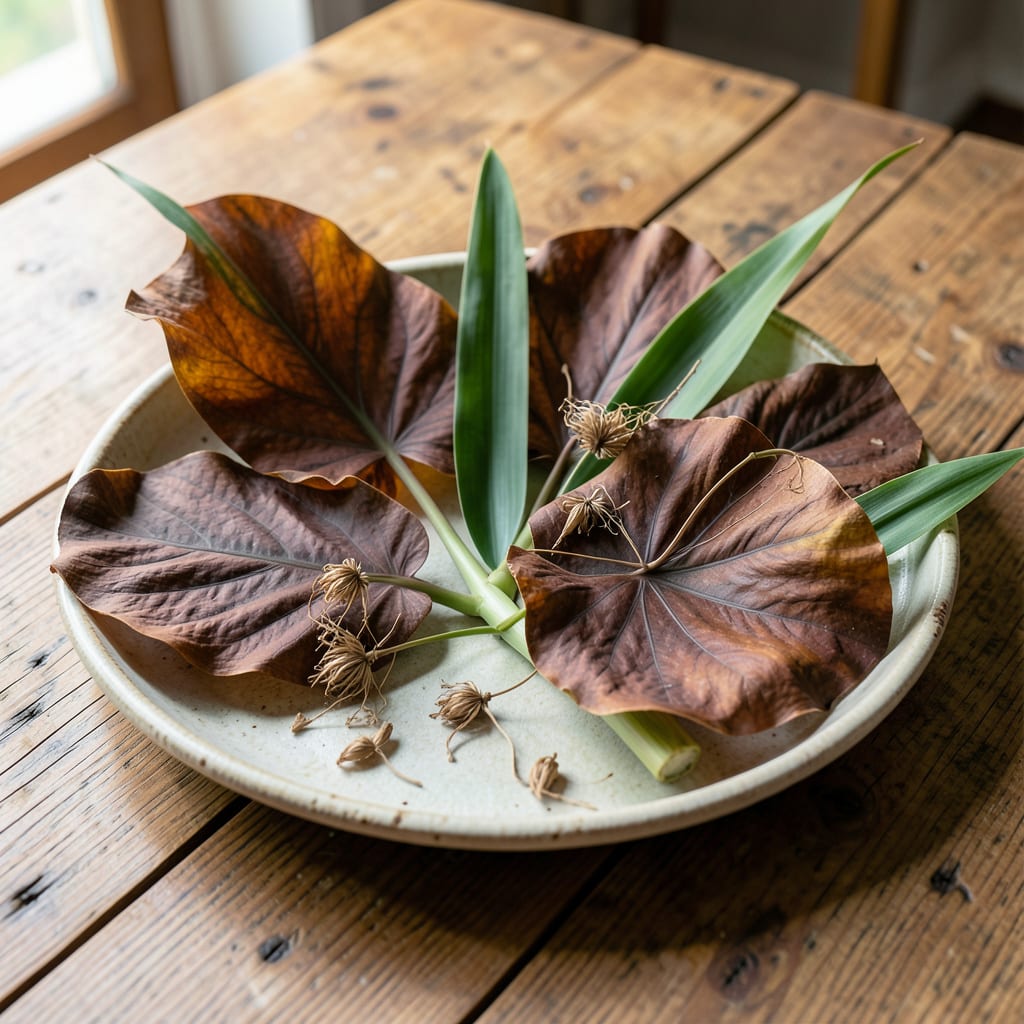
Brown leaves on canna lilies hit different when you’ve been waiting all season for that tropical look. I’ve diagnosed this issue in my own garden more times than I can count, and the fix is usually simpler than you think.
The usual suspects are overwatering, nutrient imbalances, or sneaky pests hiding under those broad leaves. Most gardeners jump to fungicides first—big mistake. Start with a soil check and work your way up the plant.
With a few adjustments to your watering schedule and a boost of the right nutrients, you’ll see new vibrant green growth pushing through within 2-3 weeks. The key is catching it early before the damage spreads.
Works for container plants, garden beds, and even those stubborn lilies that never seem to thrive. Let’s get to the root of it.
Brown leaves on canna lilies often signal stress or disease. Here are the most common causes:
Cannas thrive in warm climates but can suffer in extreme heat or cold. Exposure to temperatures below 50°F (10°C) or above 90°F (32°C) disrupts their metabolic processes, leading to leaf scorch and browning. Frost is particularly damaging, as it ruptures cell membranes, causing rapid desiccation.
Inconsistent watering is a major culprit. Underwatering causes leaves to dry out and crisp at the edges, while overwatering suffocates roots, reducing their ability to absorb nutrients. Both scenarios trigger leaf browning. Cannas prefer moist but well-drained soil—aim for 1–2 inches of water per week, adjusting for rainfall.
Fungi like Cercospora and Phyllosticta thrive in humid conditions, causing circular brown spots with yellow halos. These pathogens spread rapidly, especially in crowded plantings with poor air circulation. Left untreated, they can defoliate the plant.
A lack of potassium or magnesium often manifests as brown leaf margins or interveinal browning. Potassium deficiency causes edges to turn crispy, while magnesium deficiency leads to yellowing between veins followed by necrosis. A soil test can confirm imbalances.
Sap-sucking pests like spider mites and aphids weaken cannas by draining fluids, leading to stippled or browned foliage. Japanese beetles also chew leaves, creating ragged brown patches. Inspect undersides of leaves for tiny webs or clusters of insects.
When canna lilies develop brown leaves, the fix often starts with addressing the root cause. Here’s how to nurse your plants back to health, with practical solutions tailored to each issue:
If dry soil is the culprit, give your cannas a deep soak at the base (avoid wetting the leaves). Water early in the morning so the soil stays moist but not soggy. Prevention tip: 💡 Mulch around the base with organic matter (like straw or wood chips) to retain moisture and regulate soil temperature.
Stop watering immediately and let the soil dry out. If the pot lacks drainage holes, repot your canna into a container with holes or amend garden beds with coarse sand or perlite. Trim any black, mushy roots to prevent rot. Prevention tip: ✨ Use a well-draining potting mix and elevate containers to avoid waterlogging.
Move potted cannas to a spot with dappled sunlight or use shade cloth (30-50% density) during peak afternoon hours. For in-ground plants, plant taller companions (like ornamental grasses) to cast light shade. Prevention tip: 🌡️ Acclimate new plants gradually to full sun over 1-2 weeks.
For spider mites or aphids, spray leaves with a neem oil solution (1 tbsp oil + 1 tsp dish soap per gallon of water) every 5-7 days until pests are gone. Remove heavily infested leaves and dispose of them in sealed bags. Prevention tip: 🎯 Encourage beneficial insects like ladybugs by planting pollinator-friendly flowers nearby.
Apply a balanced, slow-release fertilizer (10-10-10) or a potassium-rich option (like 5-10-10) for leaf health. Yellowing leaves may need magnesium—sprinkle Epsom salt (1 tbsp per gallon of water) around the base. Prevention tip: 📊 Test soil annually and amend with compost for long-term nutrient balance.
Check the soil 2 inches down. Dry, crumbly soil means underwatering. Soggy, foul-smelling soil signals overwatering. Crispy edges point to drought while yellowing with mushy roots indicates too much water.
No, once leaves turn brown they won’t recover. Focus on fixing the underlying issue to encourage new healthy growth. Remove severely damaged leaves to redirect energy to new foliage.
Apply a balanced 10-10-10 fertilizer every 4-6 weeks during growing season. Avoid over-fertilizing as this can burn roots. Always water before and after applying to prevent shock.
Yes, but let it sit out for 24 hours first to allow chlorine to evaporate. If your water is high in salts or minerals, use collected rainwater or distilled water occasionally.
