
Beautiful Plants For Your Interior
Beautiful Plants For Your Interior
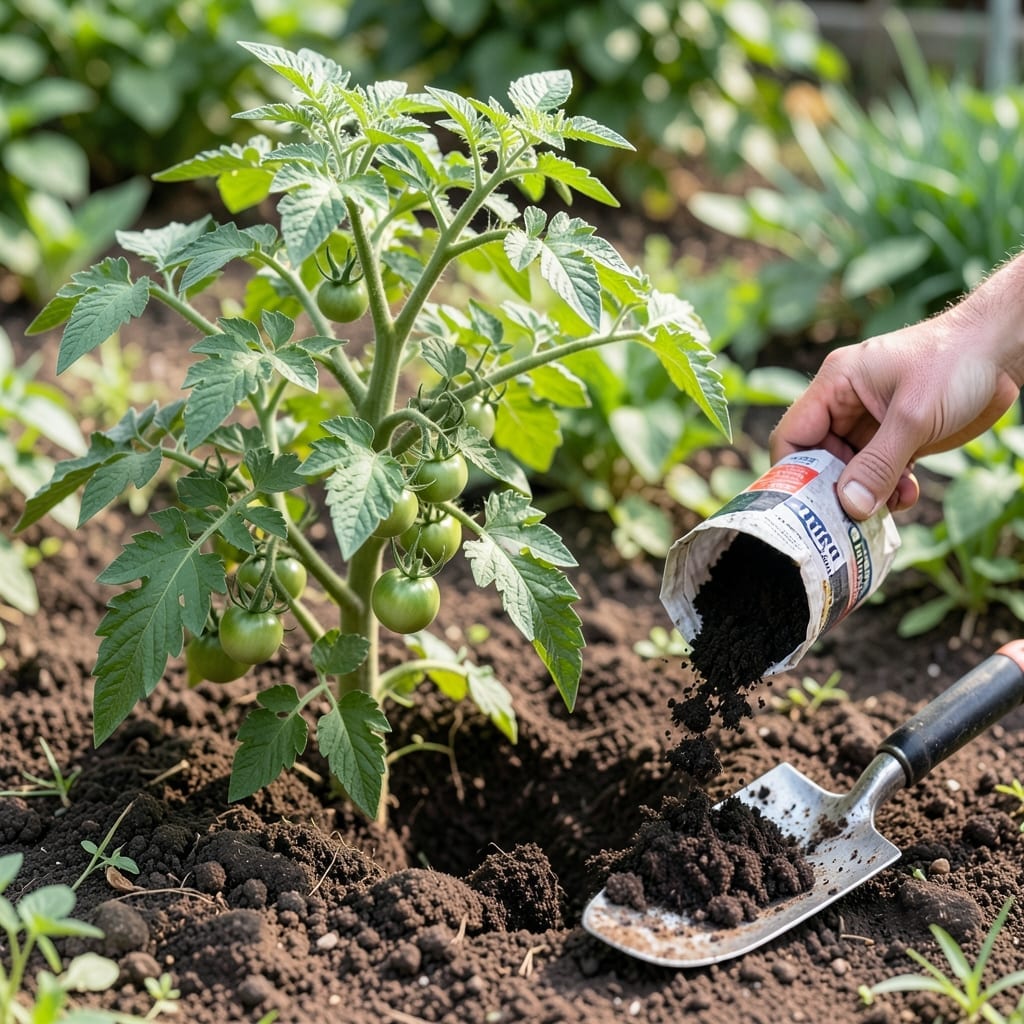
Using potting mix in the ground might seem like a quick fix for poor soil, but it could do more harm than good for your 🌱General Plants. The differences between potting mix and garden soil are significant.
I’ve seen gardeners struggle when they assume these two are interchangeable. What works in containers doesn’t always translate to in-ground success. The structure and composition are designed for very different purposes.
Let me explain why this matters and what you should consider before trying it. There are better ways to improve your garden soil that will give your plants the foundation they need to thrive.
Many gardeners wonder if they can use potting mix as a substitute for garden soil. While both nurture plants, they serve very different purposes in the garden.
The main difference lies in their composition and structure. Potting mix is designed for containers, where drainage and aeration are critical for root health in a confined space.
| Feature | Potting Mix | Garden Soil |
|---|---|---|
| Composition | Peat, bark, perlite, vermiculite | Mineral soil, organic matter, microbes |
| Drainage | Excellent | Moderate to good |
| Aeration | High | Varies by type |
| Nutrient Content | Often includes fertilizer | Natural nutrients, needs amending |
| Weight | Lightweight | Heavier, dense |
| Compaction | Stays loose | Can compact over time |
| Best For | Containers, houseplants | In-ground planting, beds |
Potting mix is lightweight and fluffy, designed to prevent compaction in pots. It typically contains peat moss, perlite, and other organic materials that promote drainage.
Garden soil, on the other hand, is denser and richer in minerals. It contains clay, silt, and sand along with organic matter, which helps anchor plant roots and retain moisture.
When you use potting mix in the ground, it can create air pockets that dry out too quickly. This happens because it lacks the structural integrity of native soil to hold moisture and nutrients effectively.
Another issue is root stability. Plants in garden beds need the firm support that garden soil provides. Potting mix alone may not offer enough resistance for root development, especially for larger plants.
I’ve seen gardeners try to improve heavy clay soil by mixing in potting soil. While this might seem helpful, it often creates drainage problems as the two materials don’t blend well. The potting mix can form water-resistant pockets in the clay.
For most in-ground planting, it’s better to amend your existing soil with compost or other organic matter. This improves both drainage and fertility without the risks of using potting mix directly in the ground.
Remember, potting mix is formulated for containers, not for the complex ecosystem of your garden soil. Using it in the ground can disrupt the natural balance your plants need to thrive 🌱
While I don’t recommend using potting mix in the ground as a primary solution, there are a few scenarios where it might offer some benefits. In heavy clay soils, mixing in small amounts can improve drainage temporarily.
However, the drawbacks often outweigh the benefits. Potting mix tends to dry out quickly when exposed to ground conditions, creating pockets that resist water absorption. This can lead to uneven moisture distribution in your garden beds.
Another significant issue is cost effectiveness. Potting mix is significantly more expensive than garden soil amendments. Covering even a small garden bed would require a substantial investment compared to traditional soil improvement methods.
I’ve noticed that plants grown in potting mix-amended ground often struggle with nutrient deficiencies. This happens because potting mix lacks the natural minerals found in garden soil that plants need for long-term health.
The environmental impact is another consideration. Many potting mixes contain peat moss, which isn’t a sustainable resource. Using it in large quantities for garden beds can contribute to environmental degradation.
For most gardeners, the better approach is to work with your existing soil. Adding compost and organic matter will improve soil structure and fertility without the downsides of potting mix 🌱