
Beautiful Plants For Your Interior
Beautiful Plants For Your Interior
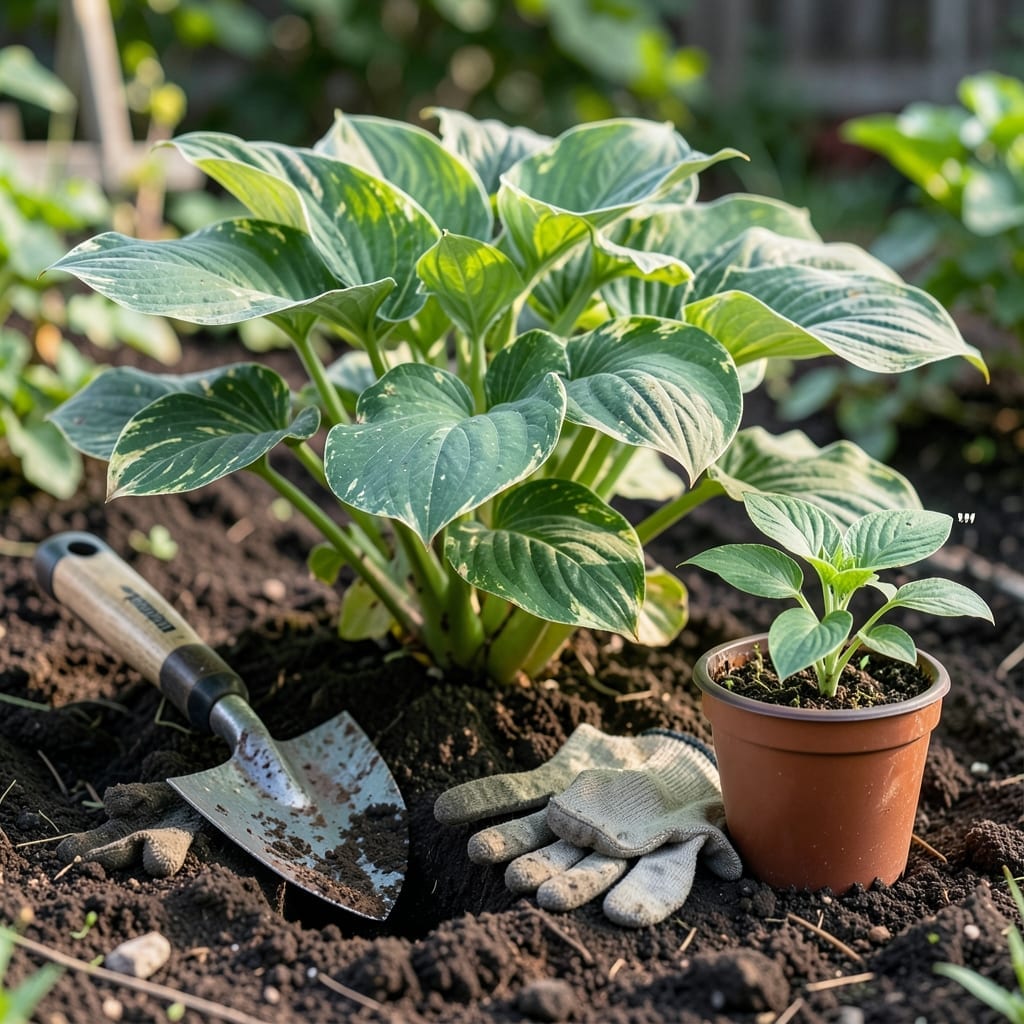
Wondering if you can plant hostas in the fall? The short answer is yes—but timing and preparation are everything for those lush 🌿 perennials.
Cooler temperatures and reduced transplant shock make autumn an ideal season. I’ll show you how to give your hostas the best start before winter arrives.
Discover the key steps to ensure strong root establishment and vibrant growth next spring. Let’s dig into the details.

Fall planting gives hostas a head start by allowing root establishment before winter dormancy. Cooler temperatures reduce transplant shock, making it easier for these perennials to adapt. 🌿
With consistent soil moisture and fewer pests, autumn conditions are often superior to spring. I’ve seen stronger growth in hostas planted in fall because they focus energy on root development rather than foliage.
Experienced gardeners often prefer fall because hostas can establish roots without the stress of summer heat. This means they’ll emerge stronger and healthier next spring, ready to thrive. 🌱
Another advantage is reduced watering needs. Cooler weather means less evaporation, so your new hostas won’t dry out as quickly as they might in summer.
Fall also means fewer pests and diseases to worry about. With most insects winding down for winter, your hostas face fewer threats during their critical establishment period.
I recommend planting 4-6 weeks before your first frost date. This gives roots enough time to settle in before the ground freezes, ensuring winter survival and vigorous growth next year.
Don’t forget to mulch heavily after planting. A 2-3 inch layer of organic mulch insulates the soil, protects roots from temperature swings, and retains moisture. ✂️
Shade-loving hostas benefit from fall planting because they avoid the stress of summer sun. Even varieties that prefer partial shade will appreciate the gentler conditions of autumn.
If you’ve been hesitant to try fall planting, I encourage you to give it a shot. With proper timing and care, your hostas will reward you with lush, vibrant foliage next season. 🌿
Planting hostas in autumn requires precise timing and technique. I always aim for 4-6 weeks before the first frost to ensure roots establish properly before winter hits. 🌿
Start by selecting a shady to partially shaded location with well-draining soil. Hostas thrive in areas protected from harsh afternoon sun, especially during their delicate establishment phase.
After planting, I recommend watering thoroughly to settle the soil and eliminate air pockets. Keep the soil consistently moist for the first few weeks to help roots establish. 💧
A 2-3 inch layer of organic mulch is essential. This protects the root system from freezing temperatures and helps retain moisture during the cooler months.
Avoid planting too late in the season. If you miss the 6-week window, it’s better to wait until spring. Late-planted hostas may not have enough time to establish roots before winter. ⏰
Monitor your new plantings for signs of stress. If leaves wilt or yellow, check soil moisture and adjust your watering schedule accordingly. With proper care, your hostas will reward you with lush foliage next year. 🌱