
Beautiful Plants For Your Interior
Beautiful Plants For Your Interior
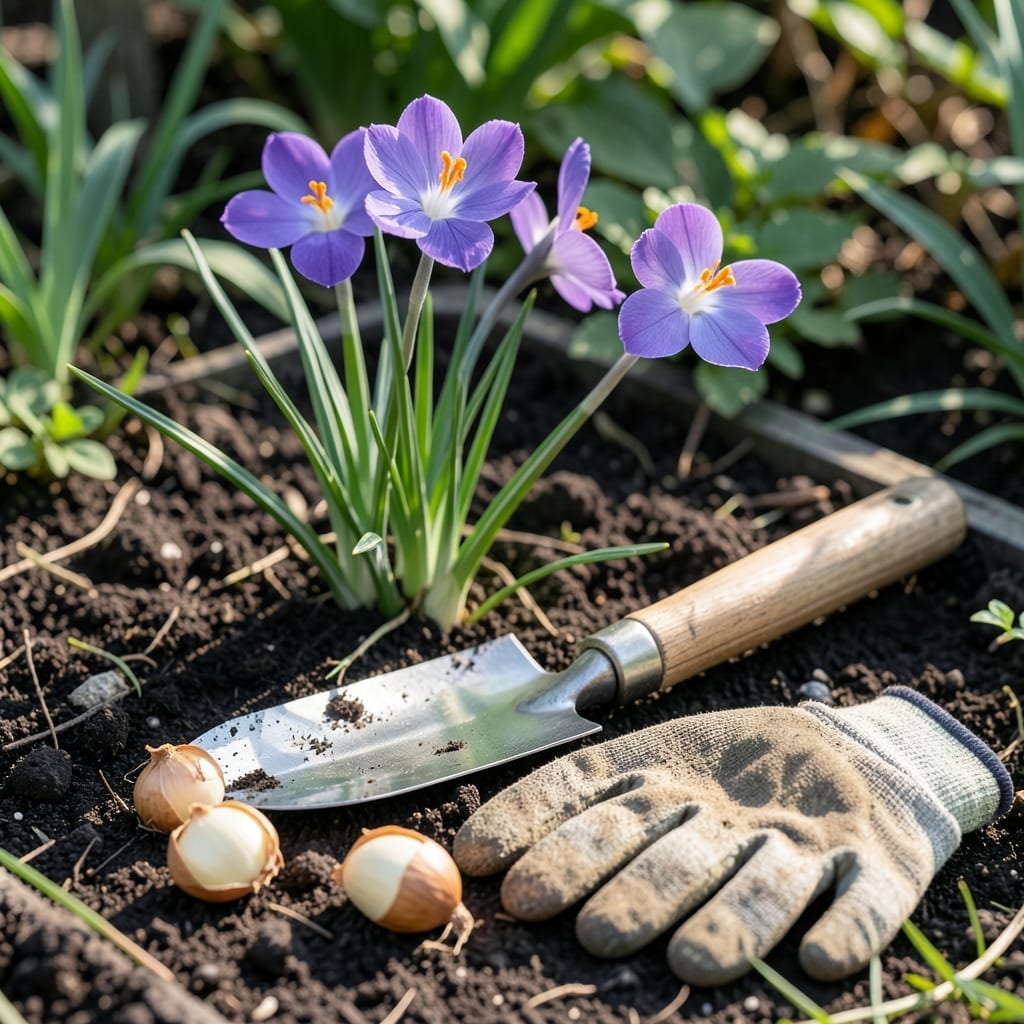
Timing is everything when planting Crocus 🌷 bulbs, but spring planting can still yield beautiful blooms if you know the right techniques.
While fall is the ideal season, late-season planting offers a second chance for vibrant color. I’ve tested various approaches, and with the right care, you can enjoy a stunning display even when planting later than recommended.
Discover how to make spring planting work for you and bring life to your garden when you least expect it.


Yes, you can plant crocus bulbs in spring, but timing is critical. I’ve found that early spring works best, as soon as the soil is workable and temperatures stay above 40°F.
Planting in spring gives bulbs a chance to establish roots before summer dormancy. However, they may not bloom the first year. Don’t worry—this is normal as they focus on root growth first.
Spring-planted crocus bulbs may not bloom immediately but can thrive with proper timing and care. Plant in early spring for best results.
Soil temperature is the biggest factor. Crocus bulbs need cool soil to root properly. If you plant too late in spring, the warm soil can prevent root establishment, leading to poor growth.
I recommend planting as early as possible in spring, ideally March or early April in most zones. This gives bulbs the longest window to root before the heat of summer arrives.
Another tip: choose larger, healthier bulbs for spring planting. They have more stored energy to help them establish despite the less-than-ideal timing. Smaller bulbs may struggle to take hold.
Watering is also crucial. Keep the soil consistently moist but not soggy for the first 4-6 weeks after planting. This encourages root growth and helps the bulbs settle in.
Mulching can help too. A 2-3 inch layer of organic mulch retains moisture and keeps soil temperatures cooler, which is especially helpful for spring-planted bulbs facing warmer weather.
If your crocus bulbs don’t bloom the first spring, don’t give up. With proper care, they’ll likely bloom the following year as if they were planted in fall. Patience is key!
Finally, avoid planting crocus bulbs in late spring when soil temperatures are already warm. The bulbs may not root properly, and you risk losing them to rot or dormancy issues.
With these tips, spring planting can still bring beautiful crocus blooms to your garden 🌷
Spring planting of crocus bulbs is absolutely possible with the right approach. I always start by selecting firm, healthy bulbs that show no signs of mold or softness. This ensures they have the energy needed to establish quickly.
Prepare your planting area by loosening the soil to a depth of 6-8 inches. Crocus thrive in well-draining soil, so consider amending heavy clay with compost or sand for better results.
🌱 Spring Planting Steps:
After planting, I recommend watering deeply to help the bulbs settle and eliminate air pockets. This first watering is crucial for establishing good soil-to-bulb contact and kickstarting root growth.
Mulching is especially important for spring planting. A 2-3 inch layer of organic mulch helps maintain cool soil temperatures and retain moisture, which is vital as temperatures begin to rise.
For the first 4-6 weeks, keep the soil consistently moist but not waterlogged. I check the soil weekly and water when the top inch feels dry. This consistent moisture encourages strong root development.
Remember that spring-planted crocus may not bloom their first year. They’re focusing on establishing roots rather than producing flowers. With proper care, they’ll bloom beautifully the following spring as if planted in fall 🌷