
Beautiful Plants For Your Interior
Beautiful Plants For Your Interior
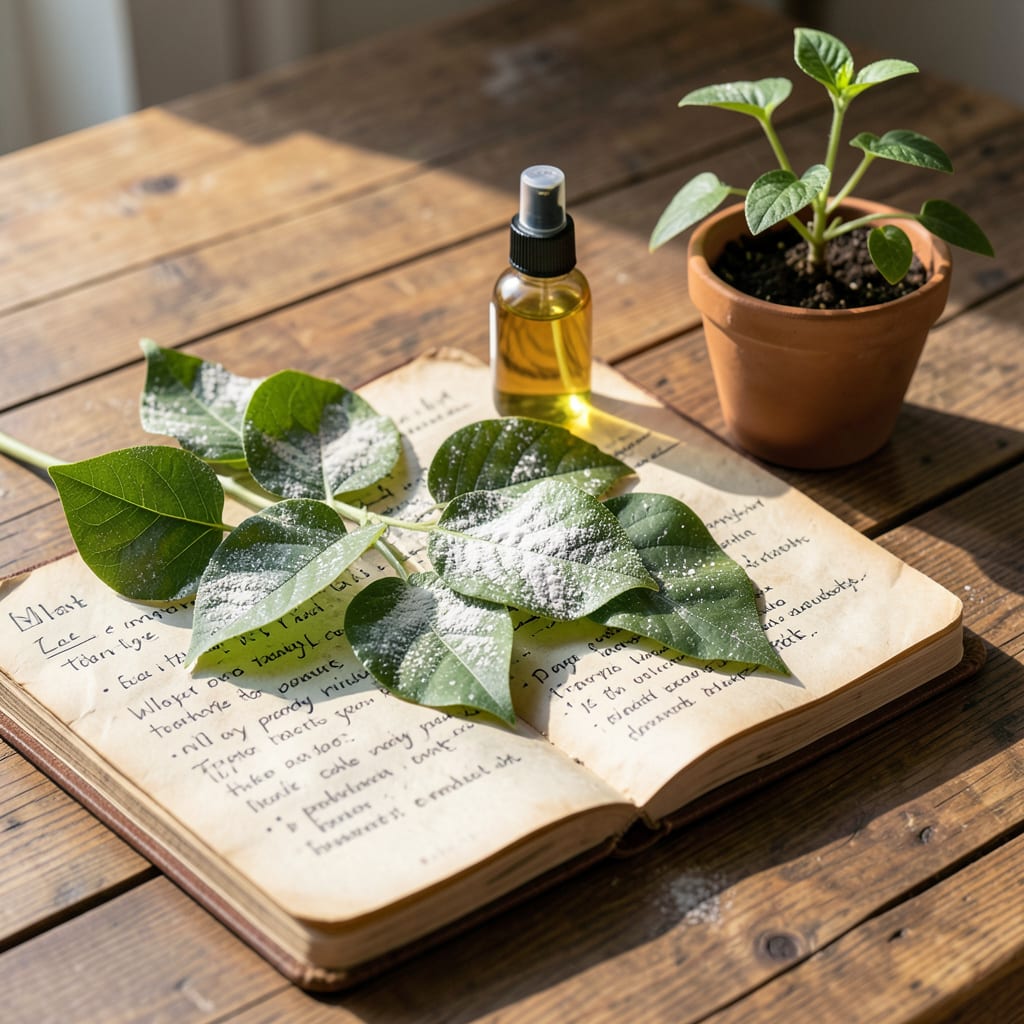
That white powder on your leaves isn’t just ugly—it’s stealing your plant’s lunch. Powdery mildew spreads fast, but I’ve stopped outbreaks in their tracks with the right moves at the right time.
The first step is catching it early. Look for white, powdery spots on upper leaf surfaces, usually starting on older leaves. Left unchecked, it stunts growth and weakens plants, but it’s 100% treatable with quick action.
I’ve tested everything from baking soda sprays to commercial fungicides. The most effective approach combines immediate treatment with long-term prevention—like improving air circulation and avoiding wet foliage.
Your plants can recover completely if you act now. The key is consistency: treat weekly until the problem disappears, then keep an eye out for its return.
Powdery mildew thrives under specific environmental and plant-stress conditions. Understanding the root causes helps you prevent and manage outbreaks effectively.
This fungal disease prospers in humid environments (60–80% relative humidity) with stagnant air. Unlike many fungi, powdery mildew spores germinate best in dry leaf surfaces but require moisture in the air to spread. Crowded plants or dense canopies trap moisture, creating ideal breeding grounds.
The fungus favors temperatures between 60–80°F (15–27°C). Fluctuations between warm days and cooler nights (common in spring/fall) accelerate spore production. These conditions weaken plant defenses, making them more susceptible to infection.
While powdery mildew doesn’t need free water to grow, wet foliage from overhead irrigation or heavy dew prolongs surface moisture, aiding spore attachment. Watering at the base and avoiding evening irrigation reduces this risk.
Stressed plants (due to nutrient deficiencies, drought, or improper pruning) produce fewer natural defenses. High-nitrogen fertilizers can also promote lush, soft growth—tissue that’s more vulnerable to mildew. Balanced nutrition and proper care strengthen plant resilience.
Some species (e.g., roses, cucumbers, squash, grapes) and cultivars are genetically predisposed. Check for disease-resistant varieties when planting to minimize future outbreaks.
Powdery mildew can be tackled with the right approach. Here’s how to fix it based on common causes, plus tips to keep it from coming back.
Stagnant air traps moisture, giving mildew a perfect home. Fix: Space plants apart, prune dense foliage, and use a fan to keep air moving. For indoor plants, crack a window or run a dehumidifier.
Prevention tip: 💡 Avoid overcrowding plants—good airflow is your first defense.
Mildew thrives in damp conditions. Fix: Water plants at the base (not the leaves) and do it early in the day so foliage dries quickly. For greenhouses, use a dehumidifier or vent system.
Prevention tip: 🌡️ Keep humidity below 60%—mildew struggles in drier air.
Spotted mildew? Act fast. Fix: Prune infected leaves (don’t compost them!) and spray the rest with a fungicide. Neem oil or sulfur-based sprays work well for organic control. For severe cases, discard the plant to protect others.
Prevention tip: ✨ Sterilize tools after pruning to avoid spreading spores.
Mildew loves weak, shaded plants. Fix: Move potted plants to sunnier spots or thin out garden canopies. Strengthen plants with balanced fertilizer—healthy growth resists disease better.
Prevention tip: 🎯 Rotate crops yearly to disrupt mildew’s lifecycle.
With these fixes, you can stop powdery mildew in its tracks and keep your garden thriving. Stay vigilant—early action is key!
You’ll often see improvement within 7-10 days of consistent treatment. Neem oil sprays typically show effects within 3-5 days, while commercial fungicides may work faster. Continue applications until all signs disappear.
Severely damaged leaves won’t recover, but removing them helps protect the rest. New growth will emerge healthy once the fungus is under control. Focus on saving the plant, not individual leaves.
Yes! A mix of 1 tablespoon baking soda, 1 quart water, and 1 teaspoon dish soap works well. Apply weekly, but avoid using in direct sunlight to prevent leaf burn. Test on a small area first.
