
Beautiful Plants For Your Interior
Beautiful Plants For Your Interior
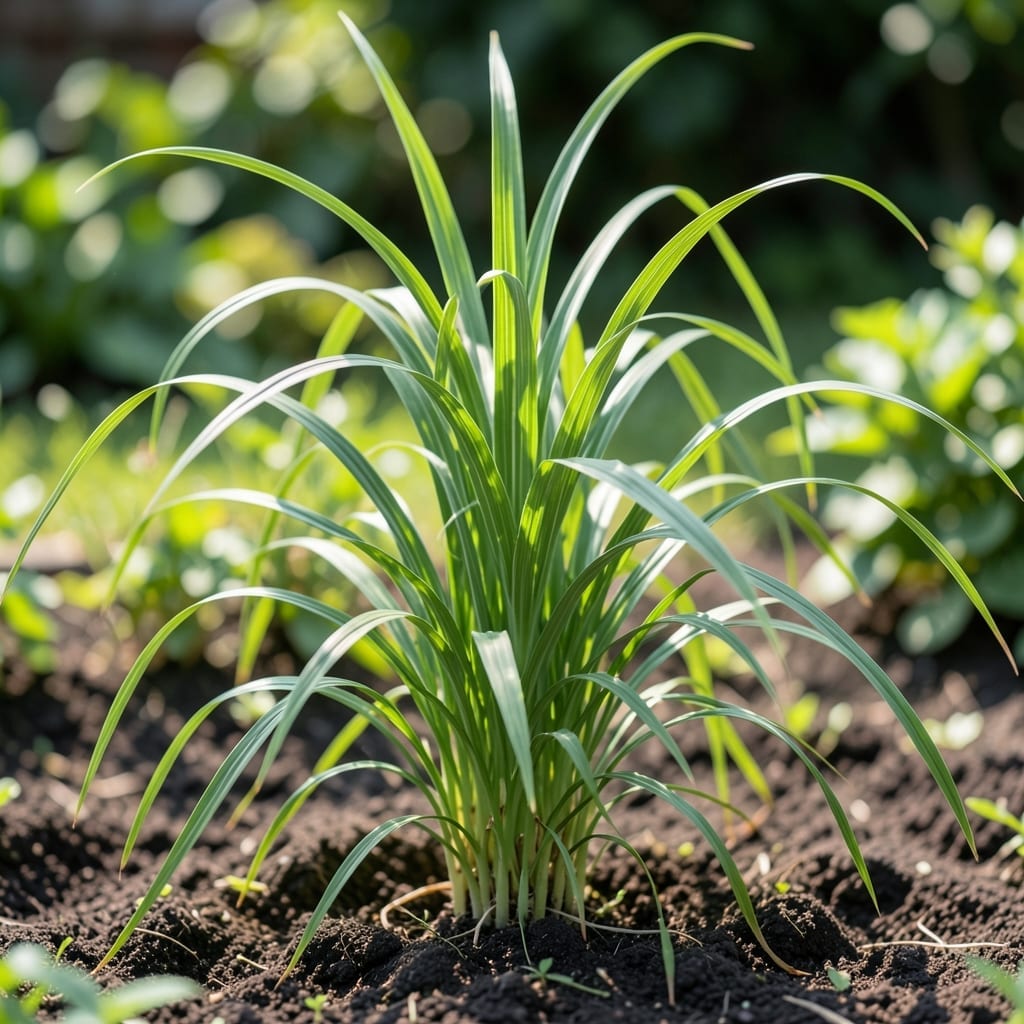
I’ve seen too many gardeners assume 🌿 Lemongrass needs constant sunshine to thrive. The truth is more nuanced than that simple assumption.
While this fragrant herb does love the sun, it can handle some shade without sacrificing its signature citrus flavor. The key is understanding exactly how much shade it can tolerate.
Let me walk you through what you need to know about growing 🌿 Lemongrass when full sun isn’t an option. You might be surprised by its adaptability.

I’ve found that 🌿 Lemongrass thrives best with 6+ hours of direct sunlight daily. This tropical herb is naturally adapted to full sun conditions in its native habitat.
However, it can tolerate partial shade, especially in hotter climates. The key is understanding that while it survives with less light, its growth and essential oil production may be reduced.
In my experience, lemongrass can handle morning shade better than afternoon shade. The cooler morning temperatures help offset the reduced light intensity.
When grown in partial shade, you might notice taller, thinner stalks as the plant stretches toward available light. This is its natural response to lower light conditions.
The essential oils that give lemongrass its characteristic citrus scent are most concentrated with full sun exposure. Shade-grown plants may have a milder aroma.
For container gardening, I recommend placing your lemongrass pots where they’ll get morning sun and afternoon shade in hotter regions.
In cooler climates, maximum sunlight is crucial for optimal growth. Here, shade tolerance is much lower, and the plant may struggle with less than 6 hours of sun.
I’ve seen gardeners successfully grow lemongrass under dappled shade from trees. The filtered light mimics its natural understory conditions in tropical forests.
Remember that soil quality becomes even more important in shaded conditions. Well-draining, nutrient-rich soil helps compensate for reduced light.
If you must grow it in shade, consider supplemental lighting for indoor plants or reflective surfaces to maximize available light outdoors.
I’ve successfully grown 🌿 lemongrass in partial shade by focusing on optimal placement and care adjustments. The right approach can compensate for reduced sunlight.
In my garden, I position lemongrass plants where they receive morning sun and dappled afternoon shade. This mimics their natural tropical understory conditions.
I always recommend amending the soil with compost before planting in shaded areas. The extra nutrients help the plant thrive with less light.
For container growing, I use light-colored pots to prevent soil overheating. These reflect more light toward the plant’s base, compensating for shade.
I’ve noticed that lemongrass in shade benefits from more frequent feeding. I apply a balanced fertilizer every 3-4 weeks during the growing season.
In my experience, dwarf varieties like ‘Malabar’ perform better in partial shade than taller types. Their compact growth habit adapts well to lower light conditions.
Finally, I always monitor for pests, as shaded plants can be more susceptible to fungal diseases and insect damage.