
Beautiful Plants For Your Interior
Beautiful Plants For Your Interior
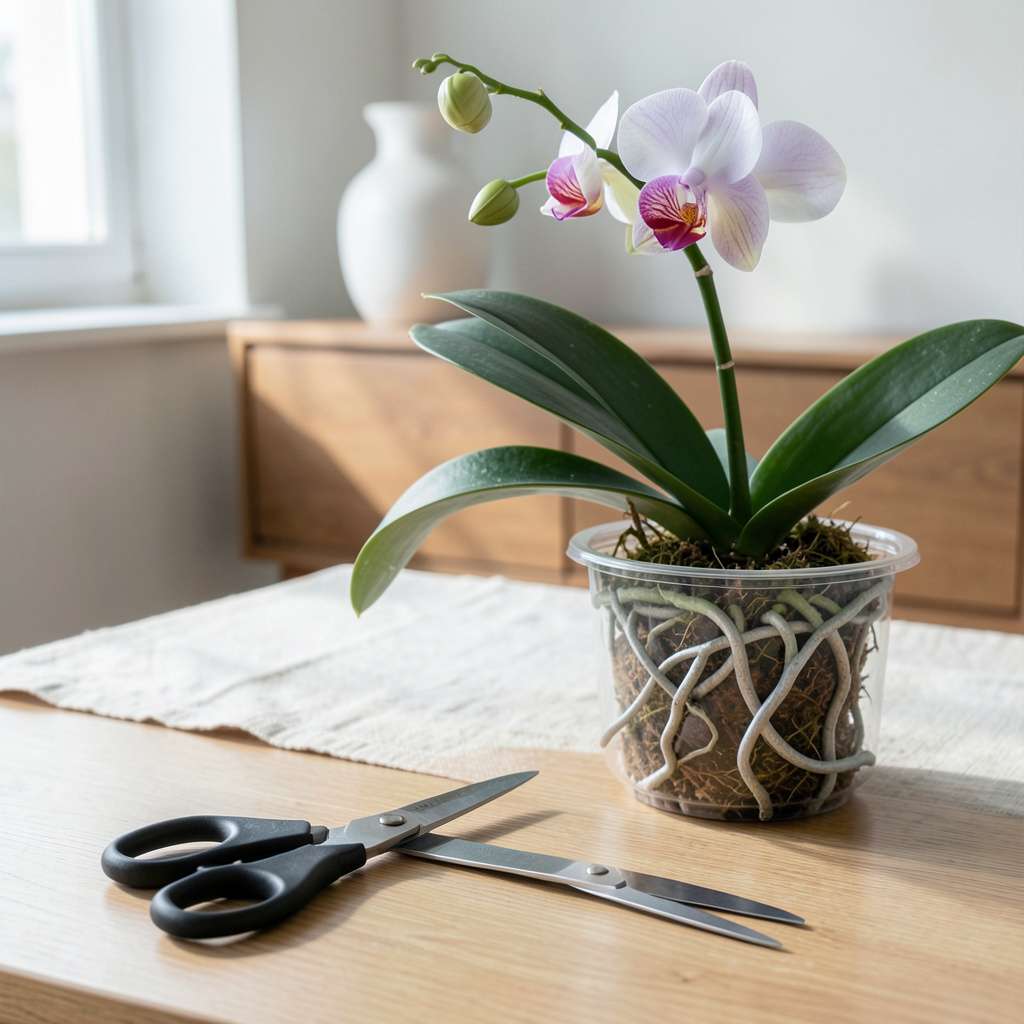
Yes, you can cut orchid roots if they’re damaged, rotting, or overgrown. Use sterilized scissors to trim unhealthy roots, then repot in fresh orchid medium to encourage new growth and prevent disease.
When it comes to caring for orchids, knowing when to trim their roots is crucial. 🌱 Cutting back roots that show signs of distress can rejuvenate the plant, allowing it to absorb nutrients better. I recommend inspecting the roots carefully—healthy ones are typically firm and green, while unhealthy ones may appear brown and mushy. This careful assessment helps ensure your orchid thrives after trimming.
Additionally, repotting in fresh medium is essential for encouraging new growth. After cutting, providing the right environment can make all the difference in your plant’s recovery. 🌿
💡 In This Article
When considering root trimming, understanding the condition of your orchid’s roots is crucial. Healthy roots are typically firm and green, while damaged ones may appear brown or mushy. This color change indicates potential rot, which can hinder nutrient absorption and overall plant health. 🌱
The root system of orchids functions differently compared to many other plants. Their roots are adapted for epiphytic living, meaning they often grow in humid environments where they can take up moisture and nutrients from the air and surrounding debris.
When roots become overcrowded or damaged, it can lead to poor air circulation and increased susceptibility to diseases. 🌿
Over-trimming can also pose risks, such as shock or disease transmission. Orchids have a remarkable ability to recover, but excessive cutting can stress the plant. This stress may manifest in yellowing leaves or stunted growth, so it’s essential to approach trimming with care and consideration for the plant’s overall health. 🔍
In addition to root health, consider the timing of your trimming. Late winter or early spring is often ideal as the plant enters its active growth phase. This timing allows the orchid to recover more effectively after the stress of cutting. A well-timed trim can promote new growth and rejuvenate the plant’s vigor. 🌸
Lastly, after trimming, repotting in fresh orchid medium is vital. This new medium provides a clean environment free from pathogens that could harm the roots. The right mix of bark, sphagnum moss, and perlite can enhance drainage and aeration, supporting healthy root development moving forward. 🌟
